Quick Answer
Your lawn may not be growing due to poor soil conditions, insufficient nutrients, watering issues, compacted soil, inadequate sunlight, or the wrong grass type for your climate. Most lawn growth problems stem from soil pH imbalances, nitrogen deficiency, or environmental stress factors that prevent grass from establishing healthy root systems[1].
Key Takeaways
- Soil testing reveals nutrient deficiencies and pH problems that block grass growth
- Compacted soil prevents roots from accessing water, air, and nutrients
- Overwatering and underwatering both inhibit healthy grass development
- Wrong grass type for your climate zone significantly impacts growth success
- Most lawn growth issues can be resolved with proper diagnosis and targeted treatment
A lush, green lawn doesn't happen by accident. When your grass struggles to grow despite your best efforts, it's usually telling you something specific is wrong with its growing environment. Understanding these common causes helps you diagnose the problem and take targeted action to restore your lawn's health.
Common Reasons Your Lawn Won't Grow
Soil Problems
Poor soil conditions account for most lawn growth failures. Compacted soil prevents grass roots from penetrating deep enough to access water and nutrients[2]. Heavy clay soils drain poorly, while sandy soils don't retain enough moisture or nutrients.
Soil pH also plays a crucial role. Most grasses thrive in slightly acidic to neutral soil (pH 6.0-7.0)[3]. When pH falls outside this range, grass cannot absorb nutrients effectively, even when fertilizer is present.
Nutrient Deficiencies
Nitrogen deficiency is the most common nutritional cause of poor grass growth, resulting in pale, slow-growing turf[1]. Phosphorus supports root development, while potassium helps grass resist stress and disease. Without these essential nutrients, even well-watered lawns struggle to establish.
Environmental Stress
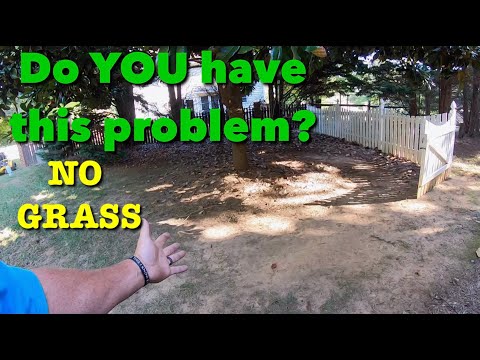
Insufficient sunlight severely limits grass growth. Most lawn grasses need 4-6 hours of direct sunlight daily[4]. Shaded areas often develop thin, weak grass that cannot compete with weeds or recover from foot traffic.
Extreme temperatures, drought, and excessive moisture also stress grass plants, slowing or stopping growth entirely.
How to Diagnose Your Lawn's Growth Problems
Step 1: Test Your Soil
Start with a comprehensive soil test to measure pH, nutrient levels, and organic matter content. Home test kits provide basic information, but professional lab tests offer more detailed analysis. Test results guide your treatment approach and prevent guesswork.
Step 2: Evaluate Growing Conditions
Assess sunlight exposure throughout your yard. Note areas that receive less than 4 hours of direct sun - these may need shade-tolerant grass varieties. Check soil drainage by digging small holes after rain; water should drain within 24 hours[2].
Step 3: Examine Grass Health
Look for signs of disease, insect damage, or thatch buildup. Healthy grass should have deep green color and dense growth. Yellow, thin, or patchy areas indicate specific problems requiring targeted treatment.
Step 4: Review Your Care Routine
Evaluate your watering schedule, mowing height, and fertilization program. Inconsistent care often contributes to poor grass establishment and growth.
Effective Solutions for Better Lawn Growth
Soil Improvement
Address compaction with core aeration, typically done in fall for cool-season grasses and late spring for warm-season varieties[5]. Add organic matter like compost to improve soil structure and nutrient retention.
Adjust soil pH using lime to raise pH or sulfur to lower it, based on your soil test recommendations. Apply amendments in fall for best results.
Proper Fertilization
Apply nitrogen fertilizer according to your grass type and local growing season. Cool-season grasses benefit from spring and fall feeding, while warm-season grasses prefer late spring through summer applications[3]. Not sure how often? See our fertilization frequency guide.
Use slow-release fertilizers to provide steady nutrition without burning grass or encouraging excessive top growth.
Water Management
Water deeply but infrequently to encourage deep root growth. Most lawns need 1-1.5 inches of water weekly, including rainfall[4]. Water early morning to reduce evaporation and disease risk. Our lawn watering schedule breaks this down by season and grass type.
Install rain gauges or moisture meters to monitor water levels accurately.
Choosing the Right Grass
Select grass varieties suited to your climate zone and growing conditions. Cool-season grasses like fescue and bluegrass thrive in northern regions, while warm-season grasses like Bermuda and Zoysia prefer southern climates[1].
Consider shade-tolerant varieties for areas with limited sunlight — our guide on how to grow grass in shade covers the best options.
When to Take Action
Spring and fall offer the best windows for major lawn improvements. Cool-season grass renovation works best in early fall, while warm-season grass projects succeed in late spring. However, soil testing and basic maintenance can happen any time during the growing season.
Address urgent problems like drainage issues or severe compaction immediately, regardless of season. Delaying critical repairs often worsens the situation and extends recovery time.
Conclusion
Most lawn growth problems have identifiable causes and practical solutions. Start with soil testing to understand your lawn's specific needs, then address the most critical issues first. Consistent, appropriate care based on your grass type and local conditions will restore healthy growth over time.
Take action this week by testing your soil and evaluating your current lawn care routine. Small improvements in soil health, nutrition, and watering practices often produce dramatic results within a single growing season.
Sources
- University of Minnesota Extension - Turfgrass nutrient management and growth factors
2. Michigan State University Extension - Soil compaction and aeration guidelines
3. NC State Extension - Lawn fertilization and soil pH management
4. Pennington Seed - Professional lawn care research and grass growing conditions
5. University of California Agriculture - Turfgrass establishment and maintenance practices