This article contains affiliate links. If you purchase through these links, we may earn a small commission at no extra cost to you.
Quick Answer
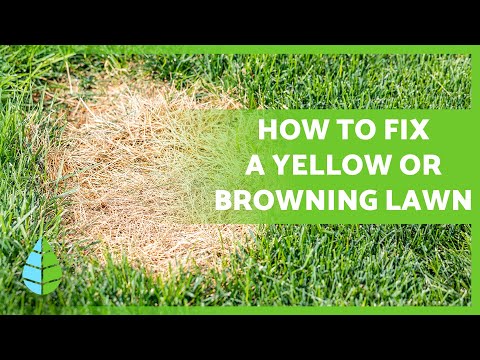
Yellow spots in grass are typically caused by dog urine, fungal diseases, fertilizer burn, or insect damage. Most yellow spots result from either nitrogen burn (too much concentrated nitrogen) or fungal infections that thrive in wet, humid conditions[1]. The key to fixing yellow spots is identifying the underlying cause and addressing it with targeted treatment.
Key Takeaways
- Dog urine creates circular yellow spots with dark green rings due to concentrated nitrogen
- Fungal diseases like brown patch and dollar spot cause irregular yellow patches
- Over-fertilizing or spilling fertilizer creates burn spots that turn yellow then brown
- Grubs and other insects damage roots, causing yellow areas that feel spongy
- Most yellow spots can be prevented with proper watering, fertilization, and lawn maintenance
Yellow spots in your lawn can turn a beautiful yard into an eyesore, but understanding the root cause is the first step toward restoration. While these unsightly patches might seem mysterious, they usually stem from a handful of common issues that every homeowner can learn to identify and treat.
Common Causes of Yellow Grass Spots
Dog Urine Damage
Dog urine is the most frequent culprit behind yellow spots in residential lawns. The high nitrogen concentration in urine acts like concentrated liquid fertilizer, initially burning the grass and creating yellow or brown circular spots[2]. These spots often feature a distinctive dark green ring around the perimeter where diluted urine actually fertilizes the grass.
Female dogs and larger dogs typically cause more damage due to their urination patterns and volume. The damage appears worse during hot, dry periods when grass is already stressed.
Fungal Diseases
Several fungal diseases create yellow patches, particularly during warm, humid weather. Brown patch fungus forms circular yellow-brown spots that can reach several feet in diameter[3]. Dollar spot creates smaller, silver dollar-sized yellow patches with distinctive hourglass-shaped lesions on individual grass blades.
Fungal issues worsen with poor air circulation, overwatering, and excessive nitrogen fertilization during warm months. See our guide on when to apply fungicide for proper treatment timing and the 150 Rule.
Fertilizer Burn
Over-fertilizing or unevenly applying granular fertilizer causes chemical burn that appears as yellow or brown streaks and spots. This happens when fertilizer granules sit on grass blades too long without proper watering, or when spreader patterns overlap excessively[4].
Spilled fertilizer creates concentrated burn spots that start yellow and progress to brown or black.
How to Identify What's Causing Your Yellow Spots
Visual Inspection Techniques
Start by examining the shape and pattern of yellow areas. Circular spots with dark green rings strongly suggest dog urine damage. Irregular, spreading patches often indicate fungal disease, while geometric patterns or streaks typically mean fertilizer burn[1].
Check the grass blades themselves. Fungal diseases often leave visible lesions or fuzzy growth on individual blades, especially early in the morning when dew is present.
Physical Tests
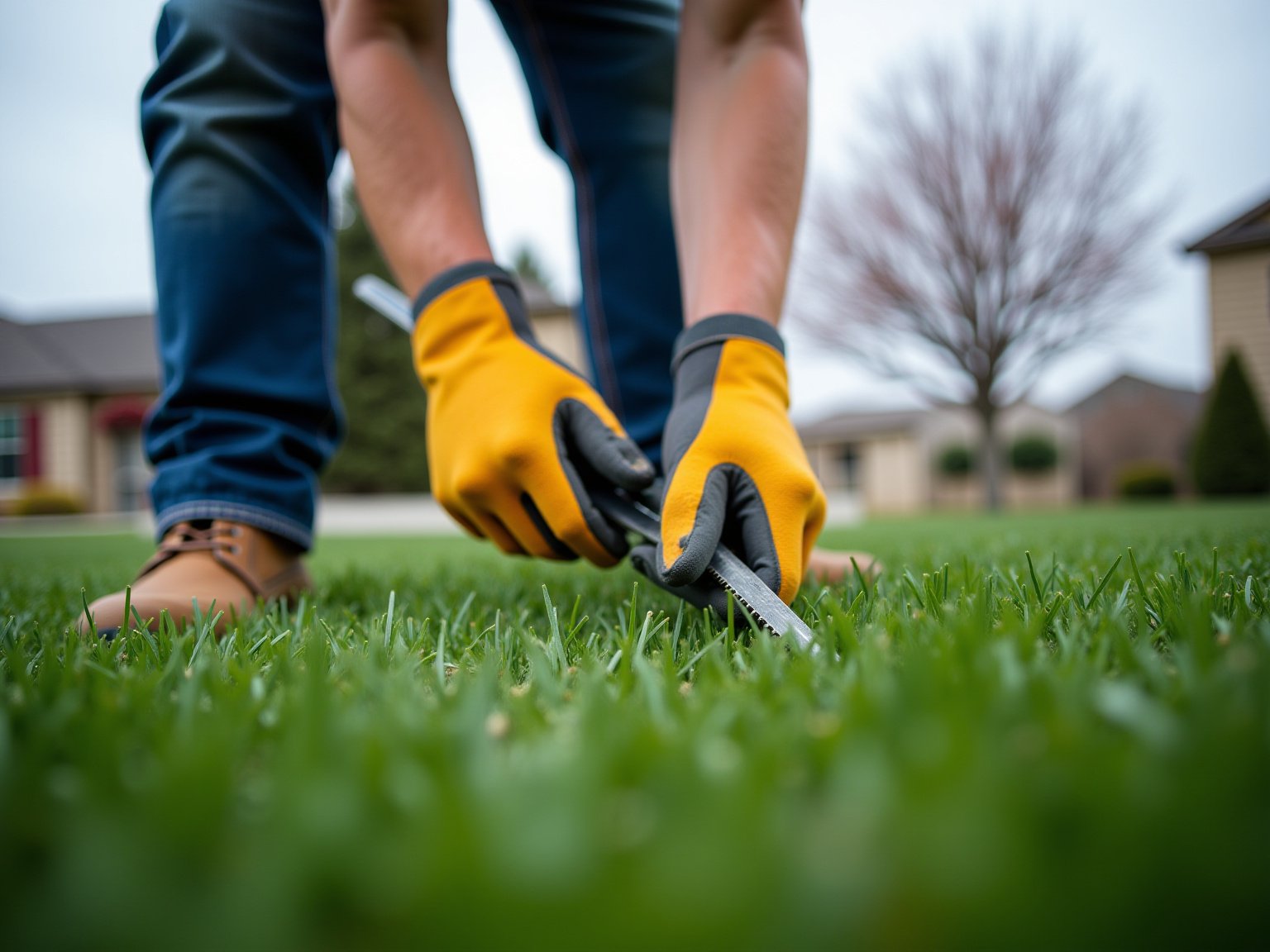
Gently tug on yellowed grass. Healthy roots should resist pulling, while grub-damaged grass lifts easily like loose carpet. Press down on affected areas - spongy spots often indicate insect damage to the root system[5].
Examine the soil beneath yellow spots. Dry, compacted soil suggests watering issues, while constantly wet soil may indicate drainage problems that encourage fungal growth.
Seasonal Timing Clues
Spring yellow spots often result from winter damage, early fungal activity, or grub feeding — check our guide on when to apply grub killer for the right timing. Summer yellowing typically stems from heat stress, drought, or brown patch fungus. Fall spots frequently indicate continued fungal pressure or late-season insect damage[3].
Treatment and Prevention Solutions
Immediate Treatment Steps
For dog urine spots, immediately flush affected areas with water to dilute the nitrogen concentration. Apply this treatment within 24 hours for best results[2].
Treat fungal diseases with appropriate fungicide applications, following label directions carefully. Improve air circulation by pruning nearby shrubs and avoid evening watering that leaves grass wet overnight.
For fertilizer burn, water the area thoroughly and repeatedly to leach excess nutrients from the soil. Avoid additional fertilizer until the grass recovers.
Long-term Prevention Strategies
Maintain proper watering schedules - deep, infrequent watering promotes healthy root systems that resist damage. Water early morning to allow grass blades to dry before evening[4].
Fertilize according to [soil test](https://www.amazon.com/s?k=soil+test+kit+lawn+garden+ph&tag=amazonlinkp00-20) recommendations rather than guessing. Use a calibrated spreader and always water fertilizer in immediately after application.
Keep lawns properly mowed at recommended heights for your grass type. Taller grass develops deeper roots and better resists stress that leads to yellowing[6]. If yellow spots coincide with dead patches, you may be dealing with a more severe underlying issue.
When to Call a Professional
Consider professional help when yellow spots continue spreading despite treatment, when multiple causes seem present, or when large areas of lawn are affected. Lawn care professionals can perform detailed soil and tissue analysis to identify complex problems.
Persistent fungal issues may require professional-grade fungicides and treatment programs that aren't available to homeowners. Similarly, severe grub infestations often need professional assessment and treatment timing[5].
Conclusion
Yellow spots in grass usually have identifiable causes and practical solutions. Start by carefully observing the pattern, timing, and characteristics of affected areas to narrow down the likely culprit. Most homeowners can successfully treat dog urine damage, minor fungal issues, and fertilizer burn with proper identification and prompt action. Focus on prevention through proper watering, fertilization, and lawn maintenance practices to keep your grass healthy and resilient. When problems persist or seem complex, don't hesitate to consult with lawn care professionals who can provide targeted solutions for your specific situation.
Sources
- University of Minnesota Extension - Turfgrass disease identification and management
2. Colorado State University Extension - Dog urine damage prevention and treatment in lawns
3. North Carolina State Extension - Fungal lawn diseases and integrated management
4. Scotts Miracle-Gro - Fertilizer application and lawn care research
5. University of Illinois Extension - Lawn insect identification and control strategies
6. USDA Natural Resources Conservation Service - Sustainable turfgrass management practices