This article contains affiliate links. If you purchase through these links, we may earn a small commission at no extra cost to you.
Quick Answer
Dying spots in grass are typically caused by fungal diseases, pet urine, overwatering, fertilizer burn, grub infestations, drought stress, or chemical damage. The key to fixing dead patches is identifying the underlying cause through visual inspection and addressing the root problem, not just replanting grass[1].
Key Takeaways
- Brown spots with distinct patterns often indicate fungal diseases that need targeted treatment
- Circular dead patches with green rings are usually caused by pet urine or fertilizer burn
- Irregular brown areas that feel spongy typically signal grub damage beneath the soil
- Seasonal timing helps identify causes - summer spots often mean drought stress, while spring/fall suggests disease
- Most dying grass spots can be prevented with proper watering, fertilizing, and lawn maintenance practices
If you're wondering what causes dying spots in grass, you're not alone[2]. Dead or dying spots in your lawn can be frustrating, especially when you're not sure what's causing them. The good news is that most grass spot problems have identifiable patterns and straightforward solutions once you know what to look for.
Common Causes of What Causes Dying Spots in Grass
Fungal Diseases
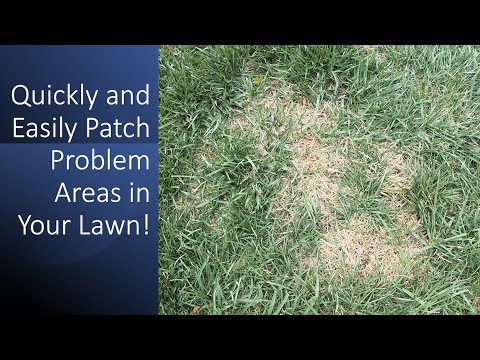
Fungal diseases are the leading cause of grass spot problems, particularly during humid conditions[3]. Brown patch creates large, circular areas with darker borders, while dollar spot produces small, silver-dollar-sized patches. If you suspect fungus, see our guide on when to apply fungicide for the best treatment timing. These diseases thrive when grass stays wet for extended periods, especially overnight.
Powdery mildew appears as white, dusty patches on grass blades. Red thread creates reddish-pink threads on dying grass tips[1]. Summer patch and necrotic ring spot create ring-shaped dead areas that expand outward over time.
Pet Damage and Chemical Burns
Dog urine creates distinctive circular brown spots with bright green outer rings due to nitrogen concentration[4]. These spots typically appear 1-3 days after exposure. They are most common in areas where pets regularly relieve themselves.
Fertilizer burn creates similar circular patterns but usually occurs after recent fertilizer application. Over-application of nitrogen fertilizer essentially "cooks" the grass roots, creating brown patches with defined edges.
Pest Infestations
Grubs, chinch bugs, and other lawn pests create irregular brown patches that feel spongy underfoot[5]. Grub-damaged areas will lift up like loose carpet when pulled, revealing white, C-shaped larvae beneath. Our guide on when to apply grub killer covers the best timing for treatment. Chinch bug damage typically starts in sunny areas and spreads outward during hot summer months.
How to Diagnose What Causes Dying Spots in Grass Problems
Visual Inspection Steps
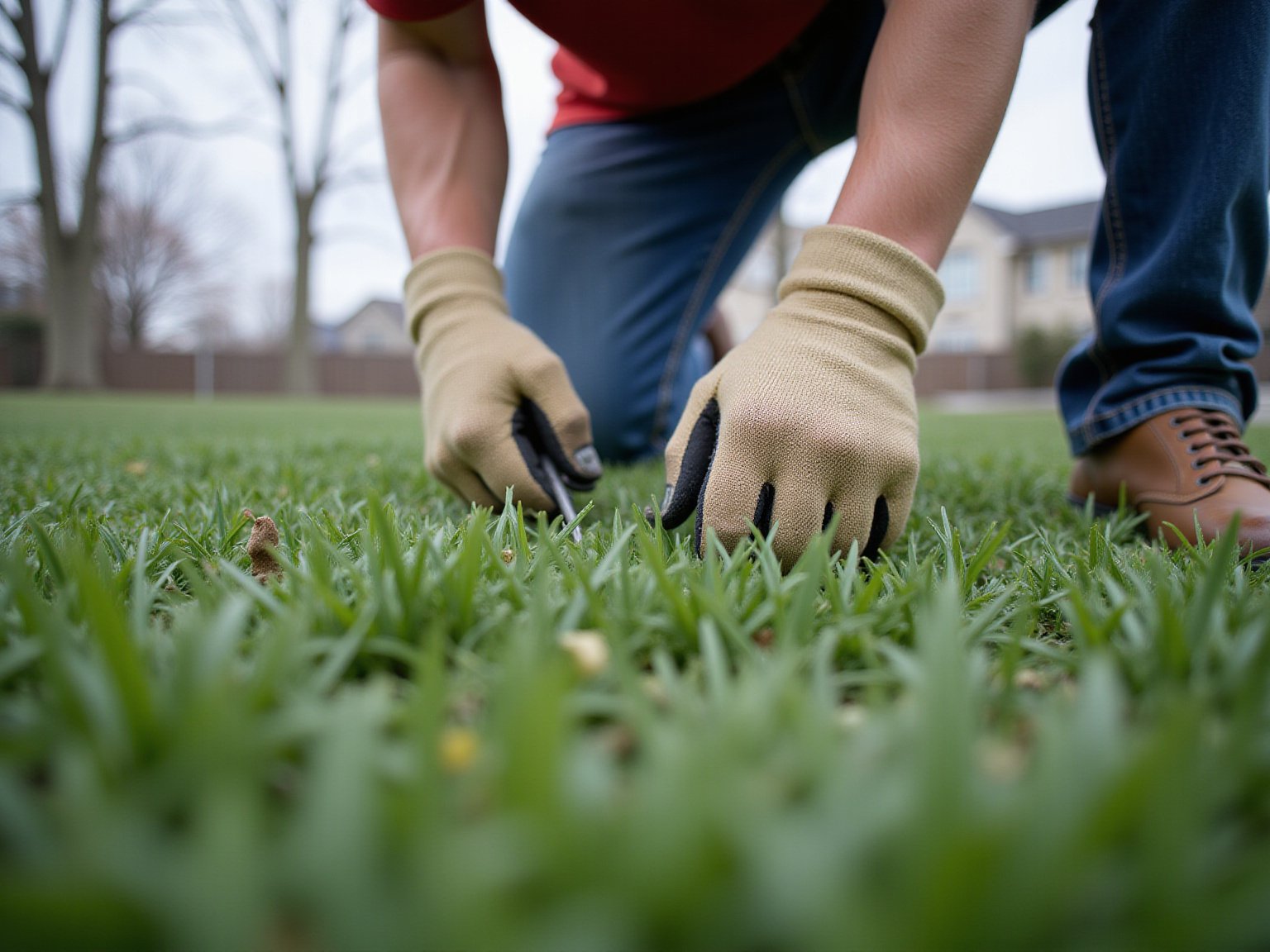
Start by examining the shape and pattern of dead spots[2]. Perfectly circular patches with green rings suggest chemical damage. Irregular shapes often indicate pest problems or disease. Look for any visible insects, grubs, or fungal growth on grass blades.
Check the soil moisture by inserting a screwdriver 4-6 inches deep. If it won't penetrate easily, drought stress may be the culprit. Conversely, constantly soggy soil promotes fungal diseases.
Seasonal Timing Clues
Spring spots often result from snow mold, salt damage, or emerging grub populations[3]. Summer patches typically indicate heat stress, drought, or chinch bug activity. Fall problems usually involve fungal diseases that develop during warm, humid weather.
The Tug Test
Gently pull on affected grass[1]. Healthy grass with disease issues will resist pulling. Grub-damaged grass lifts easily. If grass pulls out with no roots attached, grubs have likely severed the root system.
Treatment Solutions for Dying Spots in Grass
Disease Management
Apply fungicide treatments containing propiconazole or azoxystrobin labeled for your specific grass type[3]. Apply during April-May or August-September when temperatures range 60-85°F. Improve air circulation by pruning nearby shrubs and avoid watering in the evening. Overseed with disease-resistant grass varieties once the problem is controlled.
Pet and Chemical Damage Repair
Flush affected areas immediately with water to dilute urine or fertilizer residue[4]. Apply 1 gallon of water per square foot of damaged area within 8 hours of exposure. Remove dead grass and reseed after 2-3 weeks. Train pets to use designated areas or create barriers around sensitive lawn sections.
Pest Control
Apply imidacloprid-based grub control products in late June through mid-July when young larvae are most vulnerable[5]. For chinch bugs, use bifenthrin treatments during May-August peak activity periods. Apply beneficial nematodes in late spring when soil temperature reaches 60°F for organic pest control.
Prevention Strategies for Grass Spot Issues
Maintain proper watering schedules — water deeply but infrequently, preferably between 6-10 AM[6]. Provide 1-1.5 inches per week including rainfall. Follow recommended fertilizer application rates using a 3-1-2 or 4-1-2 N-P-K ratio for your grass type.
Keep grass at appropriate height for your variety. Cool-season grasses should be maintained at 2.5-4 inches, while warm-season varieties perform best at 1-3 inches[2].
Ensure good soil drainage and dethatch when thatch exceeds 0.5 inches. Regular soil testing every 2-3 years helps maintain proper pH between 6.0-7.0 and nutrient levels that support healthy, disease-resistant grass[3].
Conclusion
Identifying what causes dying spots in grass requires careful observation of patterns, timing, and symptoms. Most problems are preventable through proper lawn care practices, but quick action is essential when issues arise[1]. Start with the visual inspection steps above, then apply targeted treatments based on your findings.
If problems persist or you're unsure of the cause, consider having a soil test done or consulting with a local extension office for region-specific advice. Remember that successful treatment often takes 4-6 weeks to show visible improvement.
Sources
- University of Wisconsin Extension - Turfgrass disease identification and integrated pest management
2. North Carolina State Extension - Lawn maintenance and grass selection guidelines
3. Purdue University Extension - Plant pathology and turfgrass disease management
4. Pennington Seed - Professional lawn care research and pet damage solutions
5. University of California IPM - Integrated pest management for lawn insects
6. Texas A&M AgriLife Extension - Turfgrass irrigation and water management