

Quick Answer
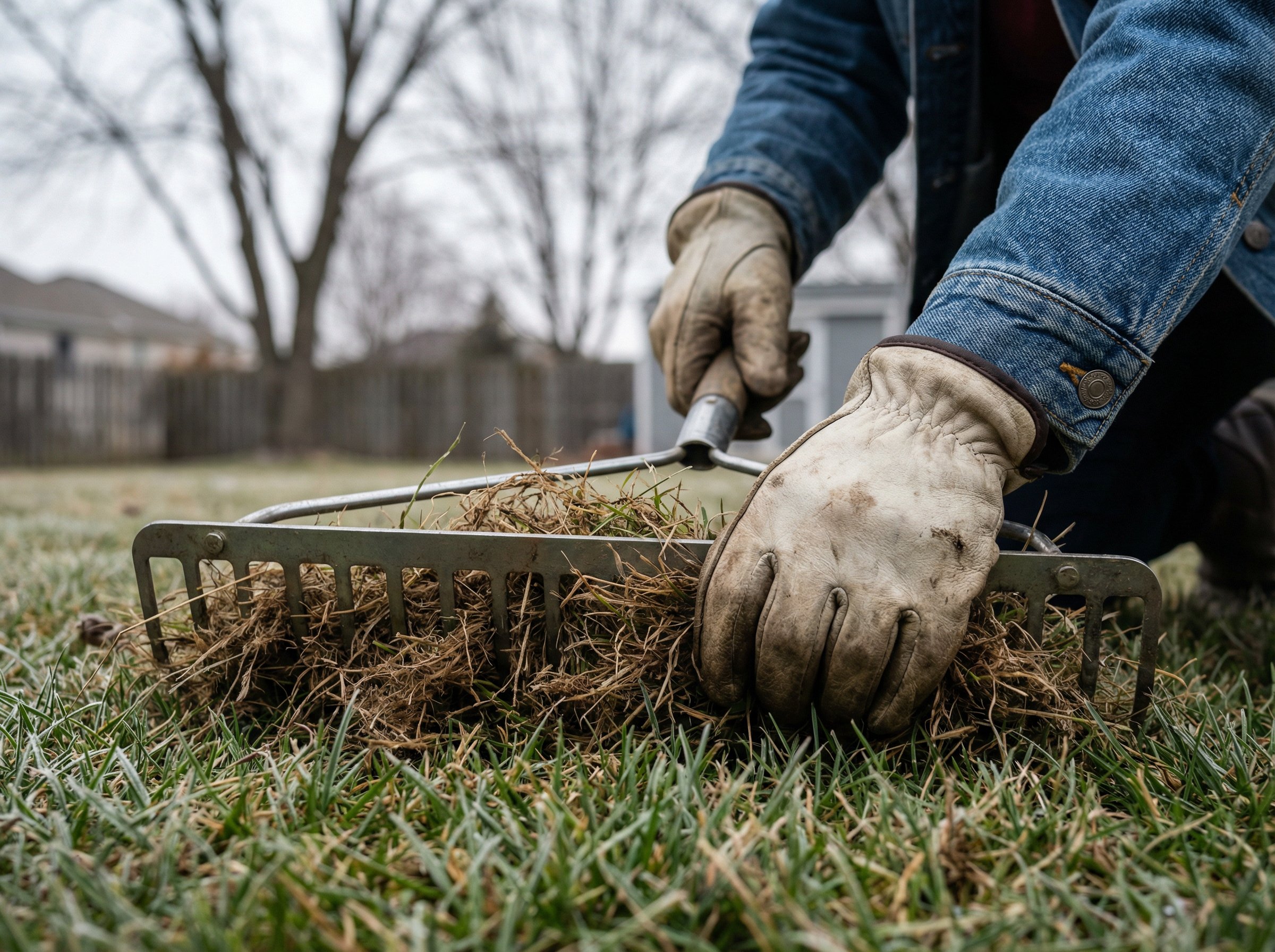
You should dethatch your lawn when soil conditions are moderately moist, not during or immediately after heavy rain. Light moisture is beneficial, but waterlogged soil can damage your lawn and make equipment less effective.
Key Takeaways
- Dethatch 24-48 hours after light to moderate rainfall when soil is moist but not waterlogged
- Avoid dethatching during heavy rain or on saturated soil to prevent lawn damage
- Slightly moist soil conditions make dethatching more effective and less stressful on grass
- Plan dethatching during stable weather periods with no heavy rain forecasted for 2-3 days
- Spring and early fall offer the best conditions for dethatching with optimal moisture levels
Introduction
Timing your lawn dethatching around rainfall can make the difference between a successful renovation and potential lawn damage. Many homeowners wonder whether they should tackle this important maintenance task before or after rain, and the answer depends on several soil and weather factors that affect both the effectiveness of dethatching and your lawn's recovery.
Optimal Soil Conditions for Dethatching
The key to successful dethatching lies in achieving the right soil moisture balance[1]. Your soil should be moist enough to allow easy penetration of dethatching equipment, but not so wet that it becomes compacted or damaged during the process.
Ideal conditions occur when soil feels slightly damp to the touch and doesn't stick to your shoes when walking across the lawn[2]. This typically happens 24-48 hours after light to moderate rainfall, depending on your soil type and drainage.
Clay soils retain moisture longer and may require additional drying time, while sandy soils drain quickly and may be ready for dethatching within 12-24 hours after rain[1]. Test soil readiness by pressing your foot into the ground - if water pools around your shoe or the soil feels squishy, wait longer.
Step-by-Step Weather Planning Process
Proper timing requires monitoring weather conditions and planning your dethatching schedule accordingly. Start by checking the 5-7 day weather forecast to identify stable periods without heavy precipitation.
First, avoid dethatching during active rainfall or when heavy rain is forecasted within 24 hours[3]. Wet conditions make equipment less effective and can cause soil compaction as you work.
Next, look for periods following light rainfall (0.25-0.5 inches) that provide natural soil moisture without oversaturation[2]. These conditions eliminate the need for pre-watering while ensuring optimal soil preparation.
Finally, ensure 2-3 days of mild, stable weather follow your dethatching session. This recovery period allows grass to begin healing before facing weather stress[4]. Avoid scheduling dethatching before predicted storms, drought, or extreme temperatures.
Why Heavy Rain Damages Dethatching Results
Dethatching on waterlogged soil creates multiple problems that can harm your lawn's health and appearance. Saturated soil becomes compacted under the weight of dethatching equipment, creating dense areas that restrict root growth and water infiltration[1].
Wet conditions also reduce the effectiveness of dethatching tools. Power rakes and dethatching rakes work best when they can cleanly separate thatch from soil, but muddy conditions cause debris to clump and clog equipment[3].
Additionally, freshly dethatched grass roots are more vulnerable to damage when soil is oversaturated. Waterlogged conditions can lead to root rot and fungal diseases that compromise your lawn's recovery[5].
Seasonal Timing and Weather Considerations
Spring and early fall provide the most favorable conditions for dethatching, with natural rainfall patterns and moderate temperatures supporting grass recovery[4]. Spring dethatching works best after the last frost when grass begins active growth, typically 4-6 weeks after green-up.
Fall dethatching should occur 6-8 weeks before the first expected frost, allowing sufficient recovery time before winter dormancy[2]. This timing often coincides with early autumn rainfall that provides ideal soil moisture.
Avoid summer dethatching in most climates, as heat stress combined with the trauma of dethatching can seriously damage your lawn[5]. If summer dethatching is necessary, choose the coolest, most humid days possible and ensure adequate irrigation.
Conclusion
Successful dethatching depends on achieving the right balance of soil moisture - enough to ease the process but not so much that it causes damage. Plan your dethatching for 24-48 hours after light rainfall when soil conditions are optimal, and always check the extended forecast to ensure stable weather during recovery. By timing this important lawn care task properly, you'll achieve better results while minimizing stress on your grass.
Sources
- University of Minnesota Extension - Lawn dethatching and soil condition guidelines
2. Ohio State University Extension - Turfgrass maintenance timing and weather considerations
3. Pennington Seed - Professional lawn care equipment and timing research
4. University of Connecticut Extension - Seasonal lawn care and recovery periods
5. USDA Natural Resources Conservation Service - Soil moisture management and turfgrass health
