Quick Answer
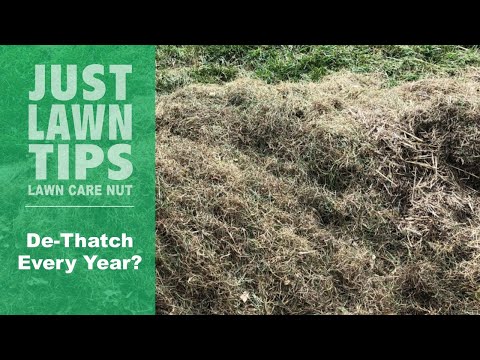
Most lawns need dethatching every 2-4 years, depending on grass type and growing conditions[1]. Cool-season grasses typically require dethatching every 2-3 years, while warm-season grasses may only need it every 3-4 years[2].
Key Takeaways
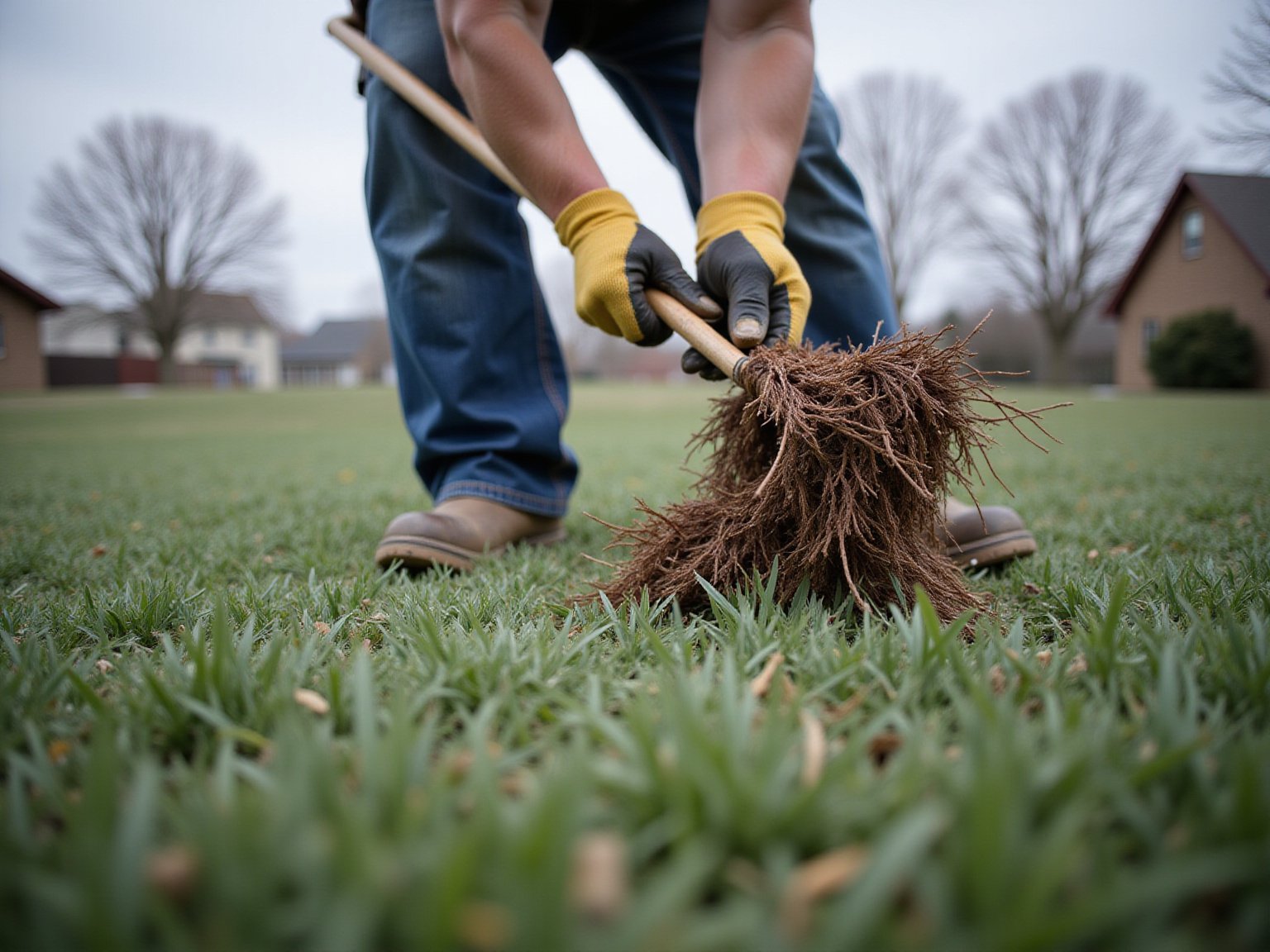
- Dethatch when thatch layer exceeds ½ inch thickness
- Cool-season grasses need dethatching more frequently than warm-season varieties
- Spring and fall are optimal dethatching seasons
- Over-fertilized and heavily watered lawns accumulate thatch faster
- Signs include water runoff, spongy feel, and poor grass growth
Introduction
Thatch buildup is one of the most overlooked lawn care issues that can silently damage your grass's health. If you're wondering how often should I dethatch my lawn, the answer depends on several key factors including grass type, climate, and maintenance practices[1]. This layer of dead grass stems, roots, and debris creates a barrier that prevents water, nutrients, and air from reaching the soil[3].
Understanding when and how frequently to dethatch ensures your lawn stays healthy and vibrant year-round. For seasonal specifics, check our guide on the best time to dethatch your lawn.
Understanding Thatch Buildup
Thatch consists of organic matter that accumulates between the soil surface and green grass blades. While a thin layer (¼ inch or less) actually benefits your lawn by retaining moisture and moderating soil temperature, excessive thatch creates problems[4].
Several factors accelerate thatch accumulation:
- Grass type: Kentucky bluegrass and Bermuda grass produce thatch faster than fescue or ryegrass
- Over-fertilization: Excess nitrogen promotes rapid growth and thatch buildup[5]
- Frequent shallow watering: Encourages surface root development
- Soil compaction: Reduces beneficial microorganisms that break down organic matter
- Low soil pH: Slows natural decomposition processes[2]
How to Check If Your Lawn Needs Dethatching
Regular thatch inspection helps you determine the right dethatching schedule. Use a garden spade to cut a small wedge from your lawn, creating a cross-section view of the grass and soil layers[6].
Measure the brown, spongy layer between the green grass and dark soil. If this thatch layer exceeds ½ inch, dethatching is necessary. You might also notice these warning signs:
- Water runs off instead of soaking in
- Lawn feels bouncy or spongy when walking
- Grass appears stressed despite adequate watering
- Fertilizer seems ineffective
- Increased pest and disease problems[1]
How Often Should I Dethatch by Grass Type
Cool-Season Grasses
Kentucky bluegrass, perennial ryegrass, and tall fescue typically need dethatching every 2-3 years[2]. These grasses grow actively in spring and fall, making them ideal dethatching windows.
Kentucky bluegrass produces thatch most rapidly and may require annual attention in heavily fertilized lawns[3].
Warm-Season Grasses
Bermuda grass, zoysia, and St. Augustine grass generally require dethatching every 3-4 years[1]. Bermuda grass can be aggressive and may need more frequent dethatching, especially in the southeastern United States where growing conditions are optimal[4].
Buffalo grass and centipede grass produce minimal thatch and rarely need dethatching unless growing conditions are exceptional.
Best Timing for How Often Should I Dethatch My Lawn
Timing significantly impacts dethatching success and lawn recovery. Dethatch during periods of active grass growth when your lawn can quickly recover from the stress[5].
Cool-season grasses: Early spring (March-April) or early fall (September-October) provide optimal conditions. Avoid summer dethatching when these grasses are dormant or stressed.
Warm-season grasses: Late spring through early summer (May-June) works best when grass is actively growing[2]. Early fall dethatching is possible in southern climates with extended growing seasons.
Avoid dethatching during drought conditions, extreme heat, or when grass is dormant. Also consider whether to dethatch before or after rain for optimal results. Plan to water thoroughly after dethatching and consider overseeding if needed[6].
Reducing Future Thatch Buildup
Proper lawn care practices can extend the time between dethatching sessions:
- Moderate fertilization: Follow soil test recommendations rather than over-fertilizing[5]
- Deep, infrequent watering: Encourages deep root growth
- Core aeration: Annual lawn aeration improves soil health and reduces compaction[4]
- Proper mowing: Never remove more than one-third of grass blade length
- Soil pH management: Maintain optimal pH levels for beneficial microorganisms[3]
Conclusion
Dethatching every 2-4 years keeps most lawns healthy, but your specific schedule depends on grass type, growing conditions, and maintenance practices[1]. Start by measuring your thatch layer this season and mark your calendar for regular inspections.
Combined with proper fertilization, watering, and aeration, appropriate dethatching timing will keep your lawn thick, healthy, and beautiful for years to come[6].
Sources
- Purdue Extension - Turfgrass maintenance and thatch management guidelines
2. University of Florida Extension - Warm-season grass care and dethatching practices
3. Iowa State University Extension - Lawn thatch development and soil health
4. Scotts Lawn Care - Professional lawn maintenance research and best practices
5. Pennington Seed - Turfgrass fertilization and thatch prevention strategies
6. Consumer Reports - Lawn care equipment testing and maintenance recommendations