

Quick Answer
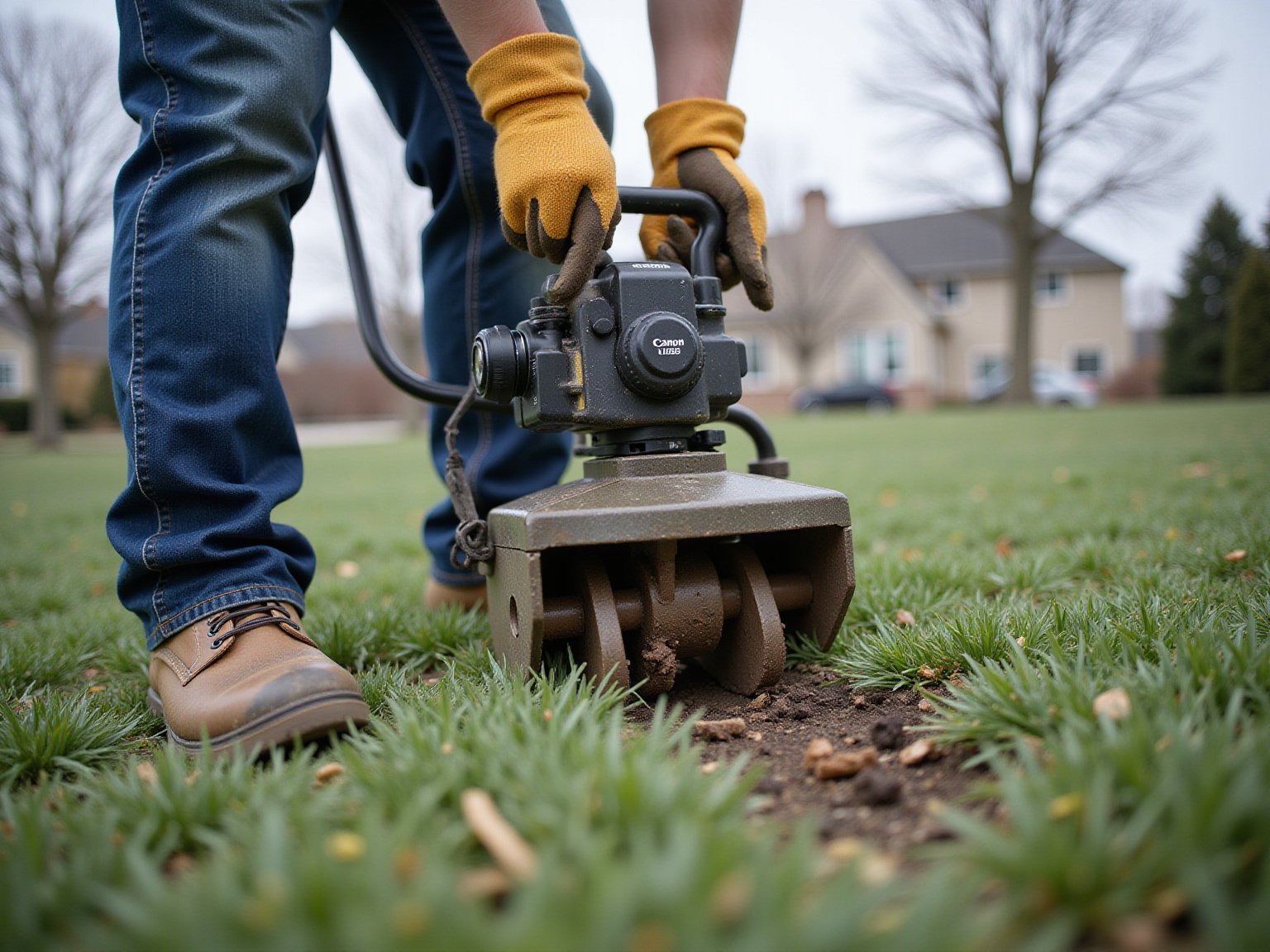
Lawn aeration involves creating small holes in your soil to allow air, water, and nutrients to reach grass roots more effectively. Use a core aerator in early fall or spring when grass is actively growing, focusing on compacted areas and high-traffic zones.
Key Takeaways
- Aerate during peak growing seasons: early fall for cool-season grasses, late spring for warm-season varieties
- Core aeration is more effective than spike aeration for reducing soil compaction
- Water your lawn 1-2 days before aerating to soften the soil
- Leave soil plugs on the surface to decompose naturally
- Combine aeration with overseeding and fertilizing for maximum benefits
Introduction
Soil compaction is one of the biggest obstacles to a healthy lawn. When soil becomes compressed from foot traffic, heavy equipment, or natural settling, grass roots struggle to access the air, water, and nutrients they need[1]. Aeration creates pathways for these essential elements while promoting deeper root growth and improved drought tolerance.
When to Aerate Your Lawn
Best Seasons for Aeration
Timing is crucial for successful lawn aeration. Knowing the best time to aerate your lawn makes all the difference. Cool-season grasses like fescue, bluegrass, and ryegrass benefit most from fall aeration (September through November), when they're entering their peak growing period[2]. Warm-season grasses such as Bermuda, Zoysia, and St. Augustine should be aerated in late spring to early summer when they're actively growing.
Signs Your Lawn Needs Aeration
Your lawn likely needs aeration if you notice water pooling after rain, excessive thatch buildup, or difficulty inserting a screwdriver into the soil[3]. High-traffic areas, clay soils, and lawns established from sod typically require annual aeration. Learn more about how often you should aerate your lawn based on your specific conditions.
Step-by-Step Aeration Process
Equipment and Preparation
Choose between manual core aerators for small areas or powered aerators for larger lawns. Core aerators, which remove small plugs of soil, are significantly more effective than spike aerators that simply poke holes[4]. Water your lawn 1-2 days before aerating to achieve optimal soil moisture.
Aeration Technique
- Mark sprinkler heads and shallow utilities to avoid damage
- Make two passes in perpendicular directions for thorough coverage
- Focus on problem areas with additional passes over compacted zones
- Maintain steady pace allowing the aerator to penetrate 2-3 inches deep
- Leave soil cores on the surface to break down naturally over 2-3 weeks
Coverage Patterns
Aim for 20-40 holes per square foot, with cores spaced 2-4 inches apart[5]. Overlap your passes slightly to ensure complete coverage, paying extra attention to walkways, play areas, and other high-traffic zones.
Post-Aeration Care and Maintenance
Immediate Follow-Up
The weeks following aeration are ideal for additional lawn care tasks. Apply fertilizer to feed grass roots through the newly created channels — in fact, aerating before fertilizing can improve nutrient absorption by 30-50%. Consider overseeding thin areas where seeds can settle into the aeration holes for better soil contact[6].
Watering and Ongoing Care
Water lightly but frequently for the first few weeks to help grass recover and take advantage of improved soil conditions. Avoid heavy foot traffic during this recovery period. The soil cores will gradually break down from rain and irrigation, adding organic matter back to your lawn. For even better results, consider topdressing your lawn after aeration to improve soil quality and promote thicker growth.
Conclusion
Proper lawn aeration can transform compacted, struggling grass into a lush, healthy lawn. Start by assessing your soil conditions and choosing the right timing for your grass type. Rent or purchase a quality core aerator, follow the systematic approach outlined above, and combine aeration with fertilization and overseeding for optimal results. With annual aeration and proper follow-up care, you'll notice improved water infiltration, reduced runoff, and stronger, more resilient grass within just a few growing seasons.
Sources
- Michigan State University Extension - Soil compaction and aeration research
2. University of Minnesota Extension - Cool-season turfgrass management guidelines
3. Texas A&M AgriLife Extension - Lawn aeration timing and soil assessment
4. Pennington Seed - Core vs. spike aeration effectiveness research
5. University of Georgia Extension - Proper aeration hole density and spacing
6. North Carolina State Extension - Post-aeration lawn care and overseeding techniques
