
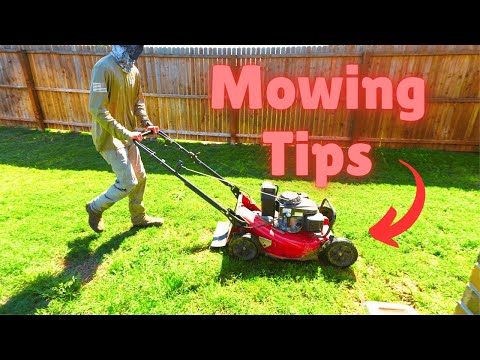
Quick Answer
Proper lawn mowing involves cutting grass at the correct height (typically 2.5-3 inches), mowing when grass is dry, and never removing more than one-third of the blade length at once. Sharp mower blades and varying your mowing pattern weekly will promote healthier growth and prevent lawn damage.
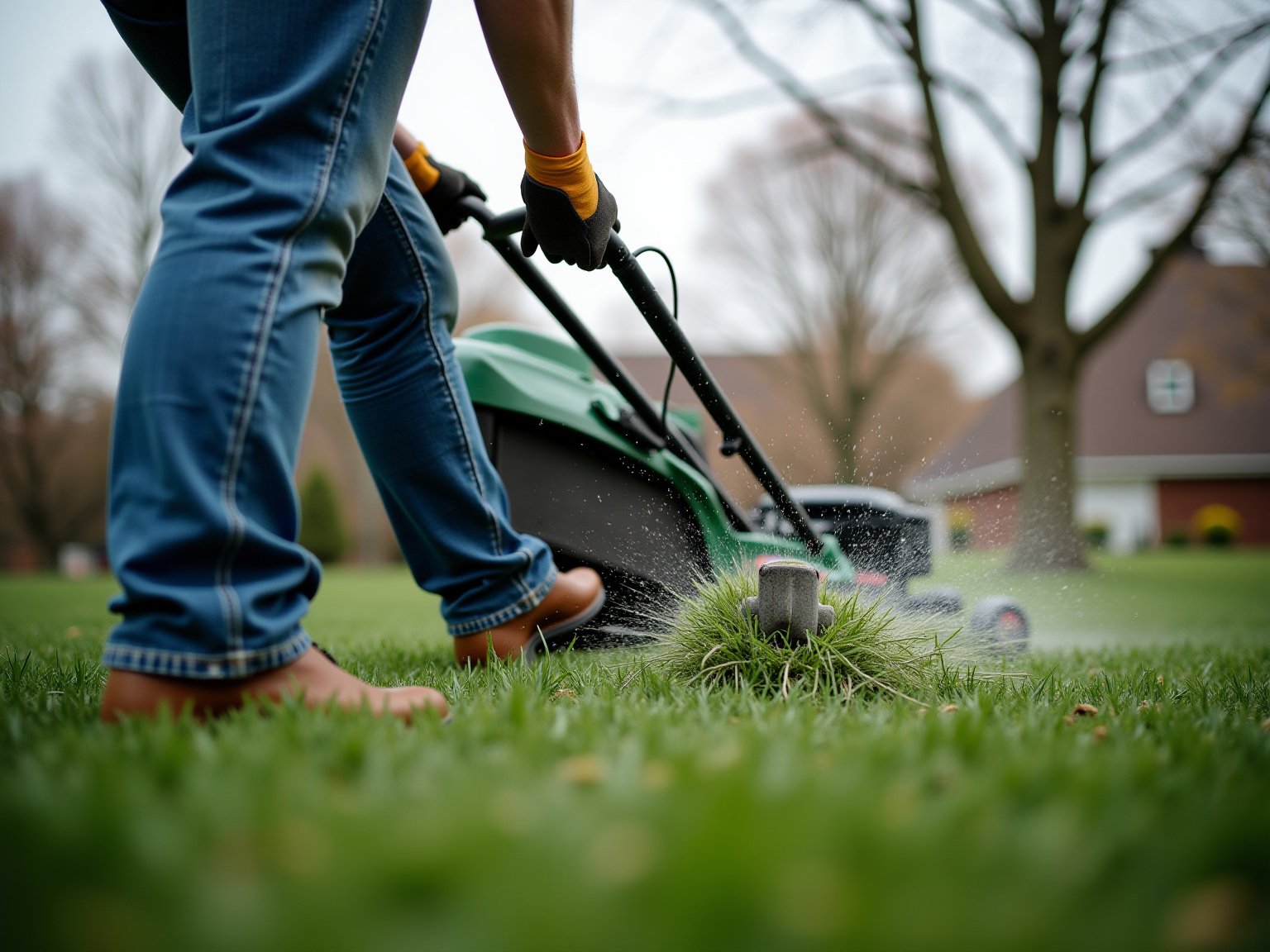
Key Takeaways
- Cut grass at 2.5-3 inches high to promote deep root growth and drought resistance
- Never remove more than one-third of grass blade length in a single mowing
- Keep mower blades sharp and replace or sharpen them at least once per season
- Mow when grass is dry to prevent clumping and disease spread
- Change your mowing direction each week to prevent soil compaction
Introduction
A well-maintained lawn starts with proper mowing techniques. While cutting grass might seem straightforward, following the right practices makes the difference between a stressed, patchy yard and a thick, vibrant lawn that's the envy of your neighborhood. For guidance on scheduling, see our articles on the best time to mow and how often to mow your lawn. These essential mowing tips will help you achieve professional results while promoting your lawn's long-term health.
Optimal Mowing Height and Frequency
Most cool-season grasses thrive when maintained at 2.5 to 3 inches tall, while warm-season varieties prefer slightly shorter heights of 1.5 to 2.5 inches[1]. Taller grass develops deeper root systems, making your lawn more drought-resistant and better able to compete with weeds[2].
The "one-third rule" is crucial for lawn health. Never cut more than one-third of the grass blade length in a single mowing session[3]. If your grass has grown too tall, gradually reduce the height over multiple mowing sessions rather than scalping it all at once.
Mowing frequency depends on grass growth rate, which varies by season, weather, and fertilization. During peak growing season, you may need to mow twice weekly, while growth slows significantly in hot summer months and cool fall weather.
Step-by-Step Mowing Technique
Start by ensuring your grass is completely dry before mowing. Wet grass clumps together, clogs mower decks, and can spread fungal diseases throughout your lawn[4].
Begin with a sharp blade check. Dull blades tear grass rather than cutting cleanly, leaving brown, frayed tips that invite disease and stress[1]. Sharpen or replace mower blades at least once per season, or more frequently if you notice ragged cuts.
Choose a different mowing pattern each week. Alternating between diagonal, horizontal, and vertical patterns prevents grass from leaning in one direction and reduces soil compaction from repeated wheel tracks[5]. If you want to take patterning to the next level, learn how to stripe your lawn like a golf course.
Mow at a steady, moderate pace. Walking too quickly can result in uneven cuts, while moving too slowly may cause grass to bend over before being cut properly.
Seasonal Mowing Adjustments
Spring mowing should begin when grass starts actively growing, typically when soil temperatures reach 55-60°F consistently[2]. Start with a slightly lower first cut to remove winter damage, then raise the deck to normal height.
During summer heat stress, raise your mowing height by half an inch to help grass retain moisture and stay cooler[3]. Reduce mowing frequency as growth slows in extreme heat.
Fall requires gradual height reduction for the final few cuts. This prevents matting under snow cover that can encourage snow mold and other fungal issues[4]. However, avoid cutting too short, as grass needs some blade length to photosynthesize during winter months.
Essential Equipment and Maintenance
A quality rotary mower handles most residential lawns effectively. Reel mowers work excellently for smaller, level lawns and provide the cleanest cut possible[1].
Maintain proper tire pressure for even cutting height across your lawn. Check and adjust mower deck level regularly to ensure consistent results.
Clean your mower deck after each use to prevent grass buildup and corrosion. Remove clippings that can harbor moisture and promote rust formation[5].
Leave grass clippings on the lawn when they're short enough to filter down to soil level. These clippings provide up to 25% of your lawn's nitrogen needs as they decompose[2]. Only bag clippings when they're too long and would smother underlying grass.
Conclusion
Implementing these mowing best practices will transform your lawn care routine and results. Start by adjusting your mower to the proper height for your grass type, ensure blades are sharp, and establish a regular mowing schedule based on growth rate rather than calendar dates. Remember that consistency in following these techniques will yield the most dramatic improvements in your lawn's health and appearance.
Sources
- University of Minnesota Extension - Proper mowing techniques and blade maintenance guidelines
2. Penn State Extension - Turfgrass management and seasonal care practices
3. Texas A&M AgriLife Extension - Warm and cool season grass cutting height recommendations
4. Scotts Miracle-Gro - Professional lawn care research and disease prevention
5. University of Georgia Extension - Lawn mower maintenance and grass clipping management