
Quick Answer
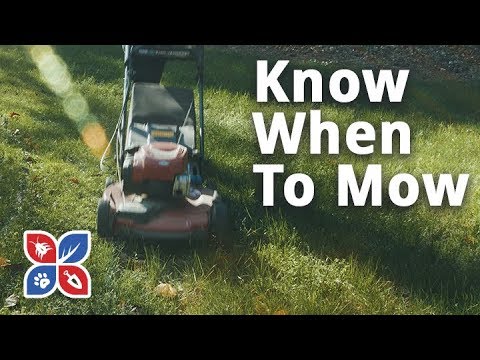
The best time to mow your lawn is mid-morning (8-10 AM) when the dew has dried but before the heat of the day sets in. Late afternoon (4-6 PM) is also excellent when temperatures cool down and grass has time to recover overnight.
Key Takeaways
- Avoid mowing wet grass or during peak heat (10 AM - 4 PM)
- Mid-morning and late afternoon provide optimal conditions for grass health
- Never mow more than one-third of the grass blade length at once
- Weekly mowing during growing season maintains lawn health
- Weather conditions matter more than strict time schedules
Introduction
Timing your mowing sessions correctly can mean the difference between a thriving lawn and stressed, damaged grass. While it might seem convenient to mow whenever you have free time, understanding the best mowing windows will help your lawn stay healthier, recover faster, and look its best all season long. For guidance on frequency, see our companion article on how often you should mow your lawn.
Why Timing Matters for Lawn Health
Grass experiences stress every time you mow, regardless of how sharp your mower blades are[1]. The key is minimizing this stress by choosing times when your lawn can best handle and recover from cutting.
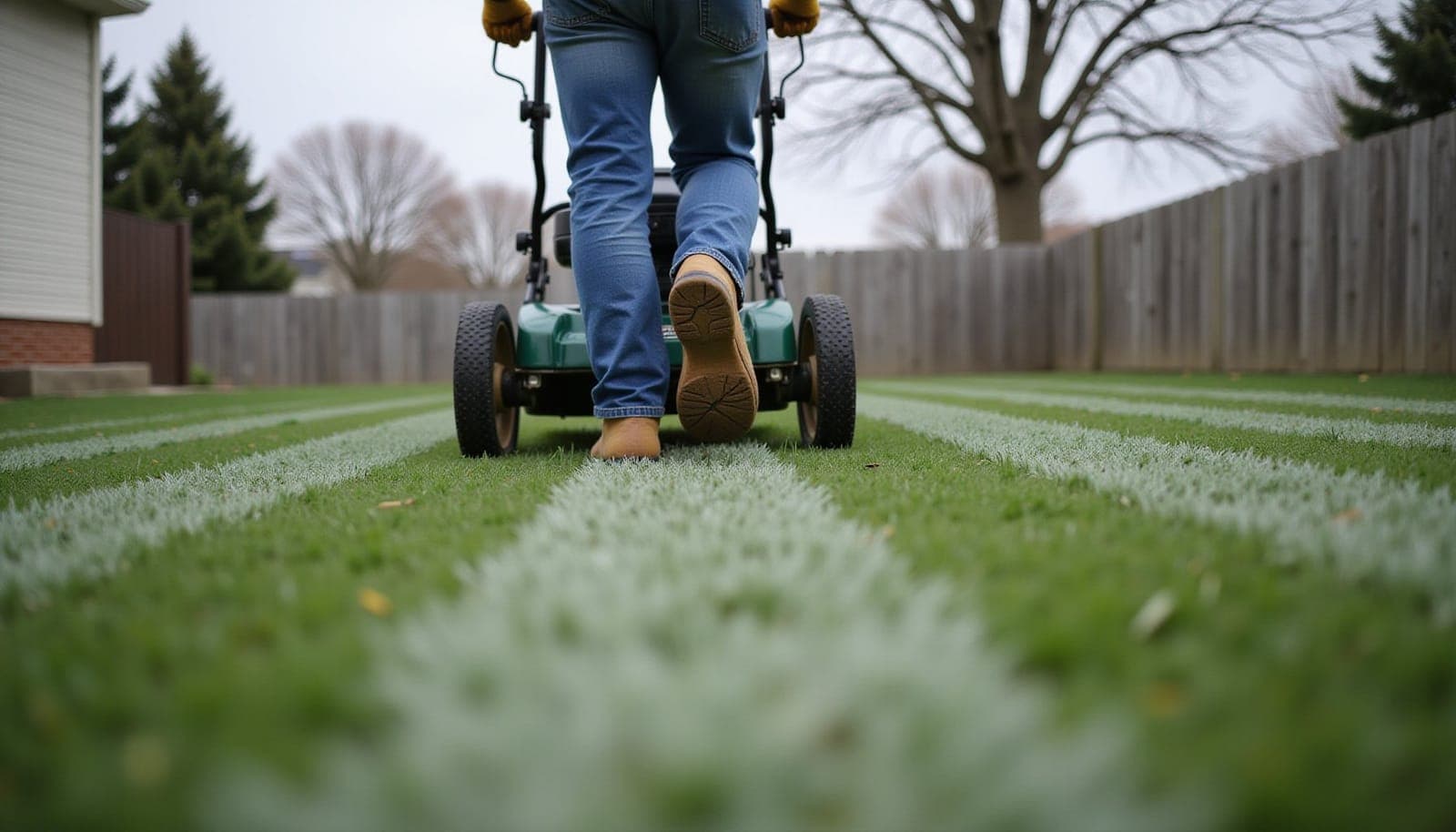
Mowing at the wrong time can lead to several problems. Cutting wet grass can cause uneven cuts, promote fungal diseases, and create clumping that blocks sunlight from reaching the soil[2]. Meanwhile, mowing during extreme heat forces already-stressed grass to work harder to recover from cutting trauma.
Temperature and moisture levels directly affect how quickly grass can heal from mowing wounds. When conditions are right, grass blades seal their cut ends faster and redirect energy toward healthy growth rather than just survival[3].
Daily Timing: When to Fire Up Your Mower
Mid-Morning (8-10 AM)
This window offers ideal conditions for most lawns. Morning dew has evaporated, but temperatures remain comfortable[1]. Your grass stands upright and dry, allowing for clean, even cuts. The moderate temperature means less stress on both you and your lawn.
Start by checking that grass blades feel dry to the touch. Wet grass not only cuts poorly but can also clog your mower deck and create unsightly clumps across your lawn.
Late Afternoon (4-6 PM)
As temperatures begin cooling, late afternoon becomes another excellent mowing window. Your grass has the entire evening and night to recover before facing the next day's heat and sun exposure[2]. This timing works especially well during hot summer months when mid-morning might still feel too warm.
Avoid mowing too close to sunset, as grass needs some daylight hours to begin its recovery process.
Times to Avoid
Never mow during these conditions:
- Early morning when dew covers the grass
- Peak heat hours (typically 10 AM - 4 PM in summer)
- During or immediately after rain
- Late evening when grass won't have recovery time before nightfall
Seasonal Considerations and Frequency
Spring Mowing
Start your mowing season when grass begins actively growing, typically when soil temperatures reach 55-60°F[4]. Our guide on when to start mowing in spring covers the exact indicators to watch for. Begin with a slightly higher cut to avoid shocking grass coming out of dormancy. Weekly mowing usually becomes necessary as growth accelerates.
Summer Adjustments
Raise your mower height during hot months to help grass retain moisture and develop stronger root systems[3]. Sharp blades from regular sharpening ensure clean cuts that heal faster. You might need to mow twice weekly during peak growing periods, but always follow the one-third rule – never remove more than one-third of the blade length in a single cutting.
Fall Preparation
Continue regular mowing through fall, gradually lowering your cut height for the final mow of the season. This prevents matting under snow cover that can encourage fungal diseases[5]. If you're wondering whether to mow before or after your fertilizer application, our article on should I mow before or after fertilizing has the answer.
Winter Dormancy
Most northern grasses enter dormancy and require no mowing. Southern warm-season grasses might need occasional winter maintenance depending on your climate zone.
Weather and Environmental Factors
Humidity levels significantly impact mowing success. High humidity can keep grass damp even without visible dew, leading to poor cutting performance[2]. On humid days, wait for the best possible conditions or consider postponing until weather improves.
Wind can actually help by speeding evaporation and helping grass stand upright for more even cutting. However, strong winds can blow clippings unevenly and make bagging difficult.
Soil moisture matters too. Overly wet soil can lead to compaction from mower wheels and damage to grass roots. If your footsteps leave deep impressions in the lawn, wait for drier conditions[4].
Conclusion
Successful lawn care starts with proper timing. Focus on mid-morning or late afternoon mowing sessions when grass is dry and temperatures are moderate. Pay attention to weather conditions and seasonal growth patterns rather than sticking rigidly to calendar schedules. Remember that a sharp mower blade and proper cutting height matter just as much as timing for maintaining a healthy, attractive lawn year-round.