
Quick Answer
The best time to aerate your lawn depends on your grass type: cool-season grasses should be aerated in early fall (September-October) or early spring, while warm-season grasses are best aerated in late spring to early summer (May-June). Timing aeration during your grass's peak growing season ensures faster recovery and maximum benefits[1].
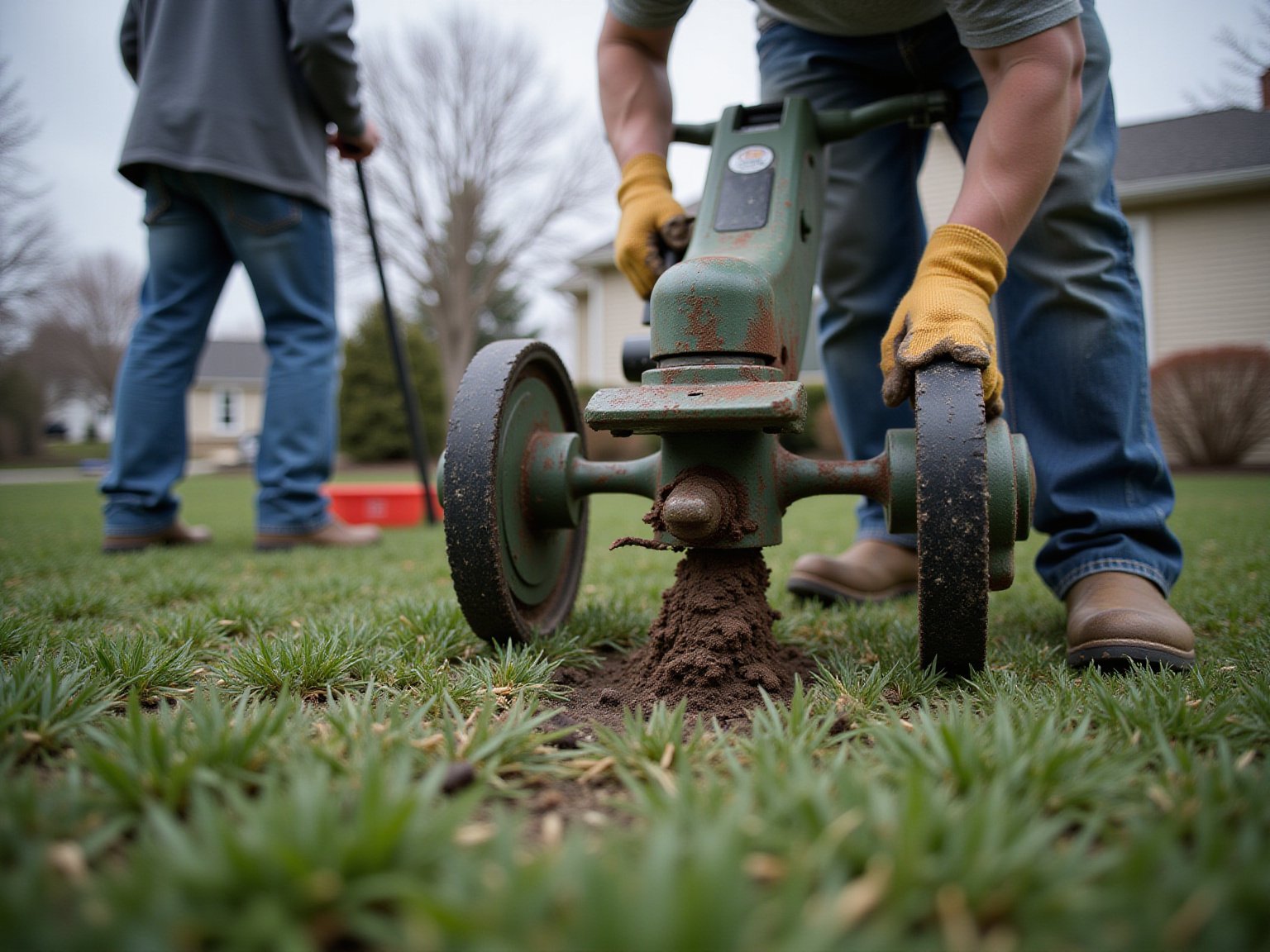
Key Takeaways
- Cool-season grasses: Aerate in early fall (September-October) for best results
- Warm-season grasses: Aerate in late spring to early summer (May-June)
- Soil should be moist but not waterlogged during aeration
- Avoid aerating during dormant periods or extreme weather conditions
- Plan to fertilize and overseed immediately after aeration for maximum impact
Introduction
Timing is everything when it comes to lawn aeration. If you need a refresher on how to aerate your lawn properly, start there. Aerate at the wrong time, and you could stress your grass or see minimal improvement. Aerate at the optimal time, and you'll promote deeper root growth, better nutrient absorption, and a healthier, more resilient lawn. Understanding when to aerate based on your specific grass type and local climate conditions is crucial for achieving professional-quality results.
Understanding Grass Types and Seasonal Timing
Cool-Season Grasses
Cool-season grasses like Kentucky bluegrass, tall fescue, and perennial ryegrass have two peak growing periods annually. The ideal aeration window is during early fall (September through mid-October) when these grasses are actively growing and preparing for winter[2]. Our fall lawn aeration timing guide covers regional specifics in more detail. Fall aeration allows grass to recover before winter dormancy and establishes stronger root systems for spring growth.
Early spring (March-April) offers a secondary aeration window for cool-season grasses, though fall remains the preferred timing[1]. Spring aeration works well if you missed the fall window or if your lawn experienced severe winter damage.
Warm-Season Grasses
Warm-season varieties including Bermuda grass, Zoysia, and St. Augustine grass thrive in summer heat and should be aerated during their peak growing season. The optimal timing falls between late spring and early summer (May through June) when soil temperatures consistently reach 65-70°F[3].
Aerating warm-season grasses too early in spring, before they've fully emerged from dormancy, can cause unnecessary stress and slow recovery.
How to Determine the Perfect Aeration Timing
Soil Condition Assessment
Proper soil moisture is essential for effective aeration. The soil should be moist enough that a screwdriver penetrates easily to a 6-inch depth, but not so wet that it sticks to your shoes[4]. If the soil is too dry, water deeply 1-2 days before aerating. If it's too wet, wait for better conditions to avoid compacting the soil further.
Weather Considerations
Plan aeration when you can provide consistent watering for 2-3 weeks following the process. Avoid aerating before predicted droughts, extreme heat waves, or extended periods of heavy rain[2]. Stable, mild weather conditions promote faster grass recovery and root development.
Growth Stage Evaluation
Your grass should be actively growing during aeration, not entering or in dormancy. Look for signs of vigorous growth like regular mowing needs and vibrant green color. Aerating dormant or slow-growing grass delays recovery and reduces the procedure's effectiveness[3].
Regional Climate Considerations
Northern Climates
In northern regions with harsh winters, prioritize early fall aeration (September) for cool-season grasses. This timing provides maximum recovery time before freezing temperatures arrive[1]. Spring aeration should occur after the last frost but before summer heat stress begins.
Southern Climates
Southern homeowners with warm-season grasses should focus on late spring aeration (May-early June) when consistent warm weather arrives. Avoid aerating during the hottest summer months (July-August) when grass may be stressed[5].
Transition Zones
Transition zones with mixed grass types require careful timing based on your specific grass variety. Monitor local soil temperatures and growing conditions rather than relying solely on calendar dates[4].
Maximizing Post-Aeration Results
Immediate follow-up care determines aeration success. Apply a slow-release fertilizer within 48 hours of aeration to feed newly exposed roots[3]. Understanding whether to aerate before or after fertilizing helps you maximize nutrient absorption. If overseeding, spread seed immediately after aeration while soil cores are still visible. Water lightly and frequently for the first two weeks to support recovery and seed germination.
Avoid heavy foot traffic on recently aerated areas for at least one week. The small holes created during aeration will naturally fill in over 2-4 weeks as grass grows and soil settles[5].
Conclusion
Success with lawn aeration starts with proper timing based on your grass type and local growing conditions. Cool-season grass owners should prioritize early fall aeration, while warm-season grass requires late spring timing. Monitor soil moisture, weather patterns, and grass growth stage to pinpoint the ideal aeration window. Plan your follow-up care including fertilization and watering to maximize results. With proper timing and execution, aeration will transform your lawn's health and appearance for years to come.
Sources
- Penn State Extension - Turfgrass aeration and seasonal maintenance guidelines
2. University of Minnesota Extension - Cool-season grass management and aeration timing
3. Texas A&M AgriLife Extension - Warm-season turfgrass aeration best practices
4. Scotts Miracle-Gro - Professional lawn care research and soil condition assessment
5. University of Georgia Extension - Regional turfgrass management and climate considerations