Quick Answer
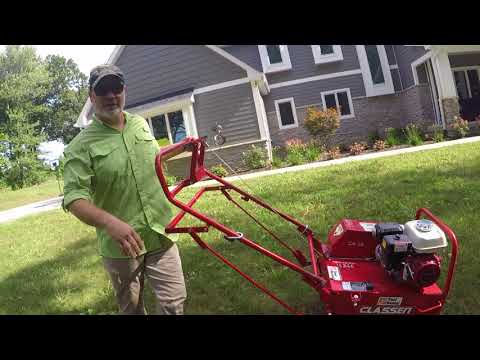
Aerate your lawn before fertilizing for best results. Core aeration creates holes in the soil that allow fertilizer to penetrate deeper into the root zone, maximizing nutrient absorption and improving your fertilizer investment.
Key Takeaways
- Aerate first, then fertilize within 24-48 hours for optimal results
- Aeration improves fertilizer penetration by 30-50% compared to surface application
- Spring and fall are ideal seasons for both aeration and fertilization
- Water lightly after fertilizing aerated soil to activate nutrients
- Skip fertilizing if you're aerating during dormant seasons
Introduction
Timing your lawn care activities properly can mean the difference between a thriving lawn and wasted effort. Many homeowners wonder whether they should aerate before or after applying fertilizer, and the answer can significantly impact your lawn's health and your budget. Understanding the science behind soil aeration and nutrient absorption will help you get the most from both treatments.
Why Aerate Before Fertilizing
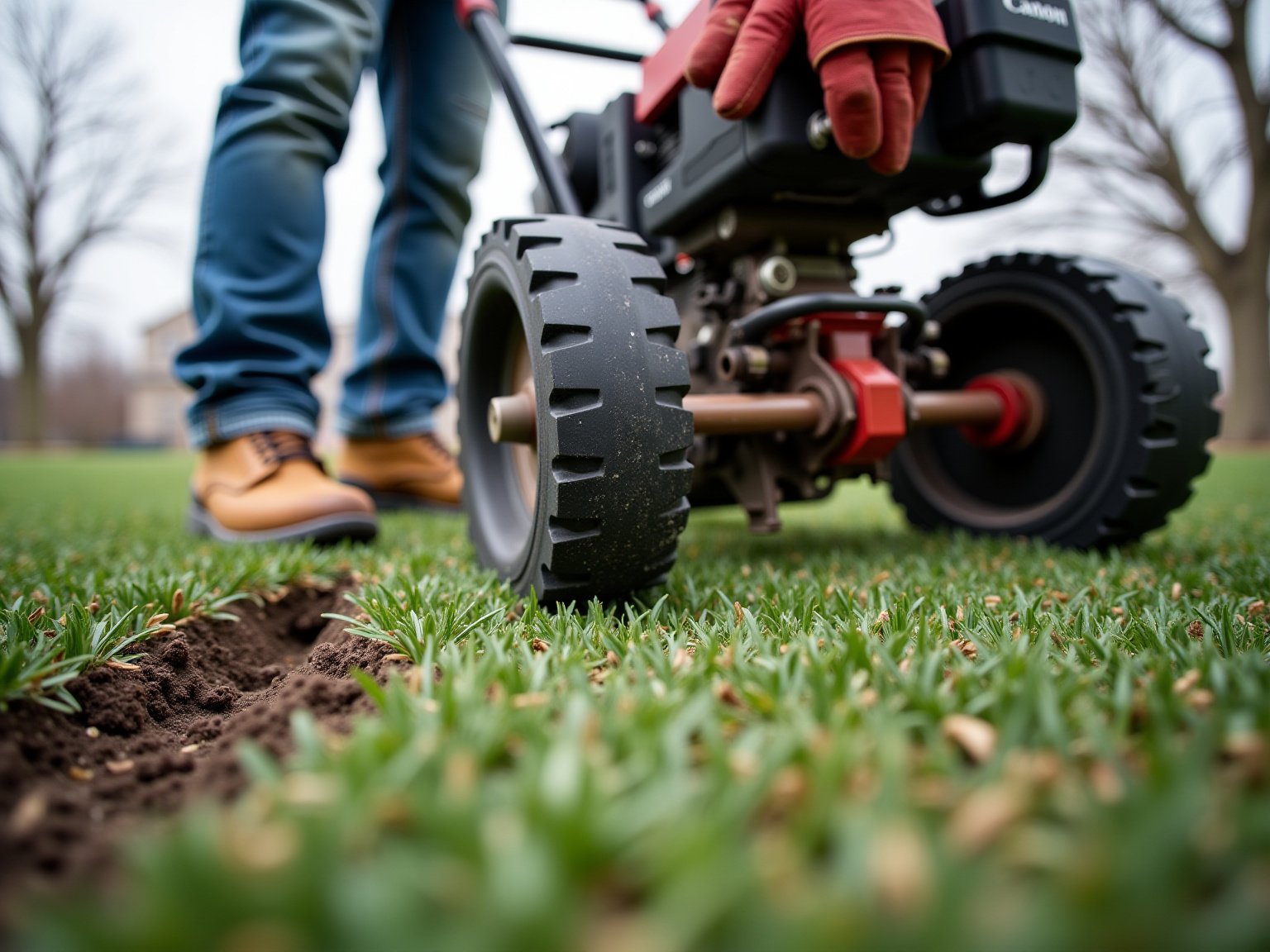
Core aeration creates thousands of holes in your soil, essentially opening direct channels to your grass roots[1]. Our complete guide on how to aerate your lawn covers the step-by-step process. When you apply fertilizer after aeration, these nutrients can travel directly into the root zone instead of sitting on the surface where they may wash away or remain unavailable to your grass[2].
Compacted soil prevents fertilizer from reaching roots effectively. Research shows that aerated lawns absorb nutrients 30-50% more efficiently than non-aerated surfaces[3]. This improved absorption means you'll see faster results and may even reduce the amount of fertilizer needed over time.
Aeration also relieves soil compaction, improves water infiltration, and increases oxygen flow to roots. These conditions create an ideal environment for fertilizer uptake and overall grass health[1].
Step-by-Step Aeration and Fertilization Process
Timing Your Treatment: Perform both treatments during active growing seasons - early spring or early fall for cool-season grasses, late spring for warm-season varieties[4]. Review our best time to fertilize lawn guide for specific seasonal schedules. Avoid dormant periods when grass cannot effectively use nutrients.
Day 1 - Aeration:
- Water your lawn 24 hours before aerating if soil is dry
- Use a core aerator to remove soil plugs every 2-4 inches
- Make two passes in perpendicular directions for heavily compacted areas
- Leave soil cores on the surface to decompose naturally
Day 1-2 - Fertilization:
- Apply fertilizer within 24-48 hours of aeration while holes remain open
- Use a broadcast spreader for even distribution
- Apply at manufacturer's recommended rates - don't over-fertilize
- Water lightly (¼ inch) to activate granular fertilizer[2]
Seasonal Considerations and Timing
Spring Application (March-May): Spring aeration followed by fertilization jumpstarts grass growth after winter dormancy. Apply a balanced fertilizer with higher nitrogen content to promote green-up and root development[4].
Fall Application (September-November): Fall treatments are often more effective than spring applications. Aerate first, then apply a fertilizer higher in phosphorus and potassium to strengthen roots for winter survival[5]. Fall-applied nutrients are stored in roots and provide energy for early spring growth.
Avoid Summer: Skip both treatments during peak summer heat when grass is stressed. Hot weather combined with fresh aeration holes can damage drought-stressed lawns[1].
Common Mistakes to Avoid
Fertilizing First: Applying fertilizer before aeration wastes nutrients and money. Surface-applied fertilizer on compacted soil often runs off during watering or rainfall before reaching roots[3].
Waiting Too Long: Aeration holes begin closing within days due to soil settling and grass growth. Apply fertilizer within 48 hours maximum to ensure nutrients reach the root zone effectively[2].
Over-Fertilizing: Don't increase fertilizer rates just because you've aerated. The improved absorption means standard rates will be more effective than on non-aerated soil[5].
Conclusion
Aerate before fertilizing to maximize your lawn care investment and achieve better results. Knowing how often to fertilize your lawn throughout the year helps you plan aeration sessions to coincide with your fertilization schedule. Apply fertilizer within 24-48 hours of aeration, and water lightly to activate nutrients. This sequence will improve nutrient absorption, strengthen your grass, and create the healthy lawn you're working toward. Mark your calendar for spring or fall treatments, and consider this winning combination as part of your annual lawn care routine.
Sources
- Penn State Extension - Lawn aeration and soil compaction management
- University of Minnesota Extension - Fertilizing home lawns best practices
- Scotts Miracle-Gro - Professional turfgrass research and nutrient uptake studies
- North Carolina State Extension - Seasonal lawn care timing guidelines
- University of Georgia Extension - Turfgrass fertilization and soil management research