Quick Answer
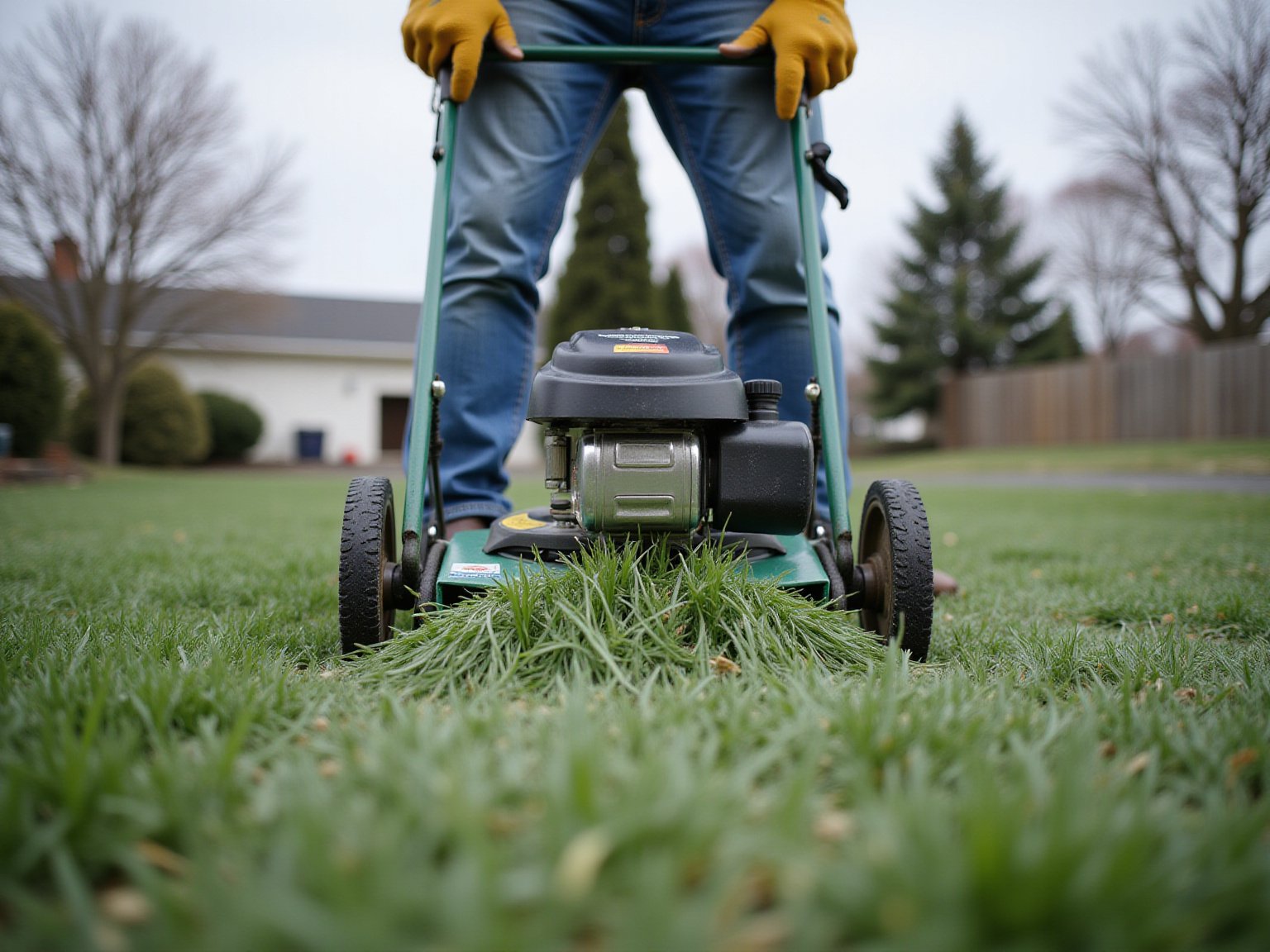
Apply fungicide after mowing your lawn, not before. Mowing immediately after fungicide application can remove the treatment from grass blades and reduce its effectiveness[1]. Wait 24-48 hours after applying fungicide before your next mowing session to ensure proper absorption and coverage.
Key Takeaways
- Always apply fungicide after mowing to maximize contact with grass blades
- Wait 24-48 hours after fungicide application before mowing again
- Mow at the proper height (never remove more than 1/3 of grass blade length) before treatment
- Apply fungicides during calm weather conditions for even coverage
- Time applications during cooler parts of the day to prevent leaf burn
Why Timing Matters for Fungicide Success
Proper timing of fungicide application in relation to mowing can make the difference between a successful treatment and wasted effort. Fungicides work by creating a protective barrier on grass surfaces and penetrating into plant tissues[2]. When you mow immediately after application, you're essentially removing the very surfaces where the fungicide needs to work.
Most lawn diseases develop when conditions favor fungal growth — typically during warm, humid weather. Getting your timing right ensures maximum protection during these vulnerable periods[3]. For a deep dive on seasonal timing and the 150 Rule, see our guide on when to apply fungicide.
Step-by-Step Fungicide Application Process
Step 1: Mow First Cut your grass to the appropriate height for your grass type, following the one-third rule. This creates an even surface for fungicide coverage and removes excess foliage that might harbor disease[1].
Step 2: Wait and Prepare Allow grass clippings to dry and settle. Remove any debris that might interfere with even application.
Step 3: Choose Optimal Conditions Apply fungicides during calm weather (wind speed less than 10 mph) to prevent drift. Early morning or late evening applications work best to avoid leaf burn[4].
Step 4: Apply Treatment Use a calibrated pump sprayer for liquid fungicides or a broadcast spreader for granular products. Ensure even coverage across all treated areas.
Step 5: Allow Processing Time Wait 24-48 hours before mowing again, depending on the product label instructions and weather conditions.
How Long to Wait Between Fungicide and Mowing
The waiting period after fungicide application depends on several factors. Most systemic fungicides require 24-48 hours for adequate absorption into grass tissues[2]. Contact fungicides, which work on leaf surfaces, may need even longer to establish their protective barrier.
Weather conditions affect this timeline significantly. Hot, sunny conditions can speed absorption, while cool, humid weather may extend the required waiting period[5]. Always check your specific product label for manufacturer recommendations.
If rain is expected within 24 hours of application, consider delaying treatment. Most fungicides need at least 2-4 hours of dry conditions to begin working effectively.
Common Mistakes That Reduce Effectiveness
Mowing Too Soon After Application This removes the fungicide before it can work properly. Grass clippings may also spread untreated fungal spores to healthy areas of your lawn[3].
Cutting Grass Too Short Before Treatment Scalping weakens grass and creates stress that makes plants more susceptible to disease. Maintain proper mowing heights specific to your grass type[1].
Ignoring Weather Conditions Applying fungicides during windy conditions leads to uneven coverage and potential drift onto non-target plants. High temperatures during application can cause leaf burn[4].
Inconsistent Application Skipping areas or overlapping excessively can leave some grass unprotected while potentially harming other areas with excess product.
Seasonal Considerations for Best Results
Spring applications work best when grass is actively growing but before disease pressure peaks. This typically occurs when soil temperatures reach 55-60°F consistently[5].
Summer treatments require extra attention to timing. Apply during cooler parts of the day and ensure adequate soil moisture. Avoid applications when grass is drought-stressed.
Fall applications can provide protection during the second disease pressure peak that often occurs as temperatures moderate and moisture increases.
Conclusion
Success with lawn fungicides starts with proper timing relative to your mowing schedule. Always mow first, then apply fungicide treatments, and wait the recommended period before mowing again. This simple sequence maximizes your investment in lawn care products and gives your grass the best protection against disease.
For your next fungicide application, check the weather forecast, mow your lawn to the proper height, and plan to avoid mowing for at least 24-48 hours after treatment. Your lawn will reward you with healthier, more resilient grass throughout the growing season.
Sources
- University of Minnesota Extension - Lawn fungicide application and mowing timing guidelines
2. Penn State Extension - Fungicide mode of action and absorption research
3. University of Georgia Extension - Turfgrass disease management and prevention strategies
4. Bayer Environmental Science - Professional turf fungicide application best practices
5. North Carolina State Extension - Seasonal lawn care timing and disease prevention protocols