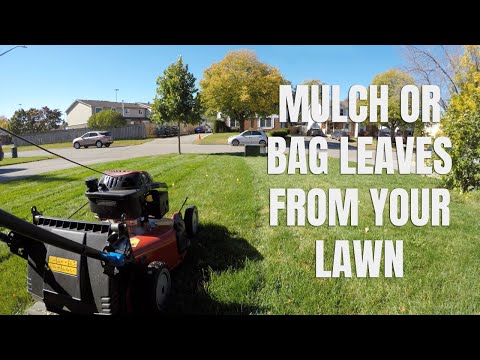
Quick Answer: Both leaf removal and mulching can benefit your lawn when done correctly. Remove leaves when they're thick enough to block sunlight and air circulation, but mulch thin layers of leaves to add natural nutrients and organic matter to your soil[1].
Key Takeaways
- Thick leaf layers (over 1 inch) should be removed to prevent grass suffocation
- Thin leaf coverage can be mulched in place for natural fertilization
- Mulching works best with small, dry leaves that decompose quickly
- Remove diseased leaves regardless of thickness to prevent lawn problems
- The best approach often combines both methods depending on leaf coverage
Fall leaf management is one of the most debated topics among homeowners and a key part of your fall lawn maintenance routine. While raking and bagging leaves has been the traditional approach, mulching leaves in place has gained popularity as an eco-friendly alternative that can actually benefit your lawn.
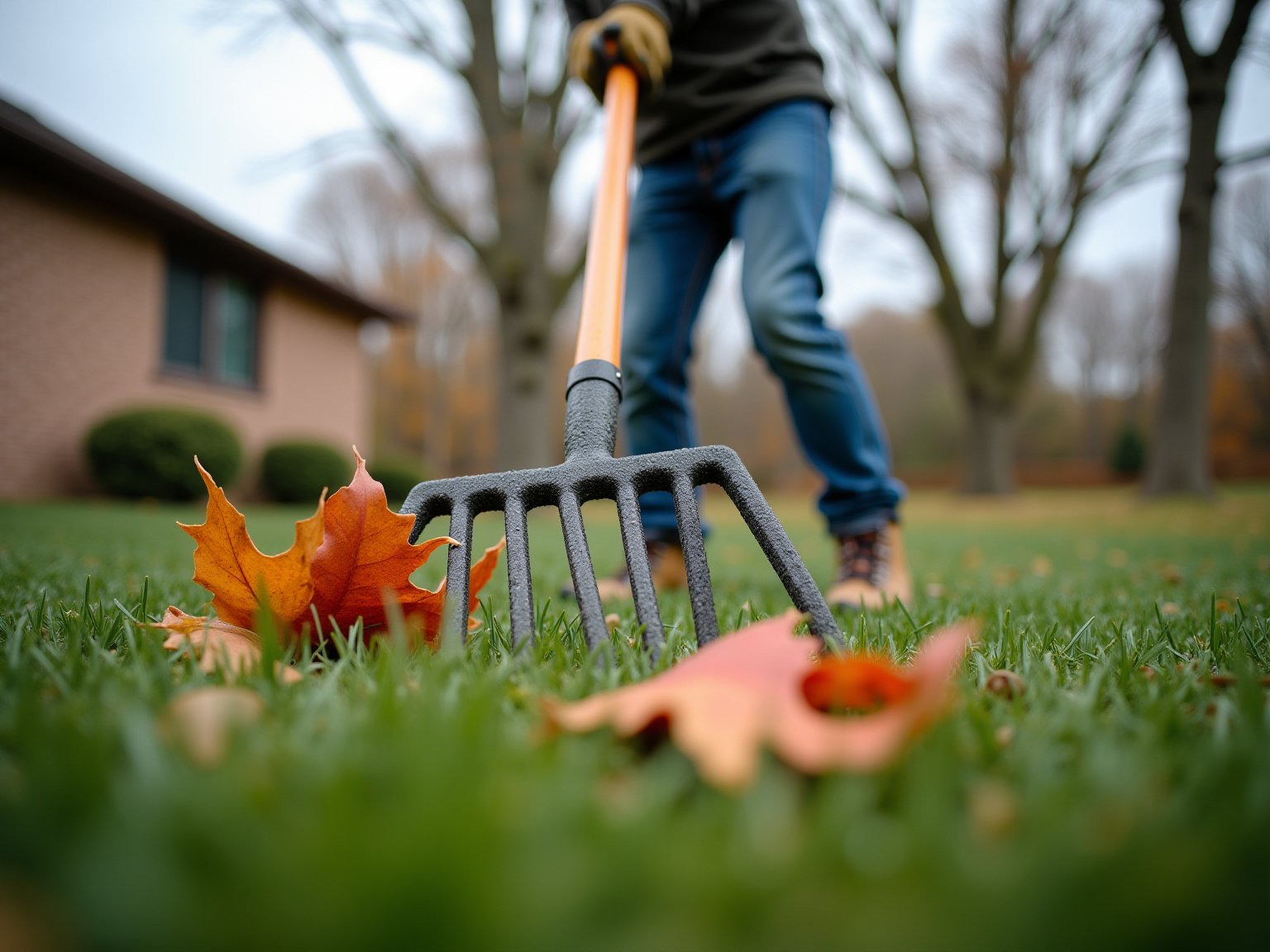
When to Remove Leaves vs Mulch Them
The decision between leaf removal and mulching depends primarily on leaf thickness and type. University extension research shows that grass needs adequate sunlight and air circulation to survive winter dormancy[2].
Remove leaves when:
- Leaf layer exceeds 1 inch thick
- You can't see grass blades underneath
- Leaves are wet and matted down
- Trees dropped diseased or pest-infested leaves
- You have large, slow-decomposing leaves (oak, maple)
Mulch leaves when:
- Leaf coverage is thin and patchy
- Grass is still visible through the leaf layer
- Leaves are small and dry
- You have fast-decomposing varieties (cherry, ash, elm)
How to Mulch Leaves Properly
Mulching leaves requires the right technique to avoid lawn damage. Use a mower with a mulching blade or regular mower with the bag removed to chop leaves into small pieces[3]. If you're unsure about your mowing frequency during leaf season, our guide on how often to mow your lawn can help you plan.
Step-by-step mulching process:
- Wait for dry conditions - Mulch only when leaves and grass are dry
- Mow at normal height - Don't lower your mower deck
- Make multiple passes - Go over areas 2-3 times if needed
- Check piece size - Leaf fragments should be smaller than 1/2 inch
- Ensure visibility - You should still see grass blades after mulching
Properly mulched leaves break down within 2-3 months, adding organic matter that improves soil structure and provides slow-release nutrients[4].
Benefits and Drawbacks of Each Method
Leaf Removal Benefits
- Prevents grass suffocation and disease
- Eliminates pest overwintering sites
- Maintains lawn appearance through winter
- Provides compost material for garden beds
Leaf Removal Drawbacks
- Labor-intensive and time-consuming
- Removes free organic matter from lawn
- Creates yard waste disposal issues
- Eliminates beneficial insect habitat
Mulching Benefits
- Saves time and physical effort
- Provides natural lawn fertilization[5]
- Improves soil organic matter content
- Reduces municipal waste burden
- Supports beneficial insects
Mulching Drawbacks
- Can damage grass if done incorrectly
- May promote fungal diseases in wet conditions
- Doesn't work well with thick leaf layers
- Requires proper equipment for best results
Seasonal Timing Considerations
Timing your leaf management approach affects success rates significantly. Early fall mulching works better than late-season attempts because leaves decompose more readily in warmer soil temperatures[1].
October: Begin mulching light leaf drops from early-falling trees November: Continue mulching or switch to removal as leaf drop peaks December: Use a leaf blower to remove any remaining thick accumulations before snow
For northern climates, complete leaf management by late November to prevent snow mold and other winter diseases[2]. Once leaves are handled, turn your attention to preparing your lawn for winter with final mowing and fertilization.
Making the Right Choice for Your Lawn
The most effective approach often combines both methods. Start by mulching manageable amounts throughout fall, then remove heavy accumulations that could damage grass.
Consider your lawn's specific needs: shady areas with poor air circulation benefit more from complete removal, while sunny, well-draining areas can handle moderate mulching[6].
Next steps:
- Assess your current leaf coverage thickness
- Check weather conditions for the next few days
- Choose mulching for thin coverage, removal for thick layers
- Monitor results and adjust your approach next season
Remember that healthy lawn care is about balance - use the method that best supports your grass's ability to thrive through winter and emerge strong in spring.
Sources
- Cornell University Cooperative Extension - Turfgrass management and organic matter research
2. University of Minnesota Extension - Fall lawn care and winter preparation guidelines
3. Penn State Extension - Leaf mulching techniques and equipment recommendations
4. Michigan State University Extension - Organic matter decomposition and soil health studies
5. University of Illinois Extension - Natural lawn fertilization and nutrient cycling research
6. USDA Natural Resources Conservation Service - Sustainable lawn care practices and environmental guidelines