

Quick Answer
Fall lawn maintenance involves five key tasks: raking leaves regularly, applying winter fertilizer, overseeding thin areas, aerating compacted soil, and adjusting your mowing schedule. These activities, performed between September and November, prepare your lawn to survive winter and emerge healthy in spring[1].
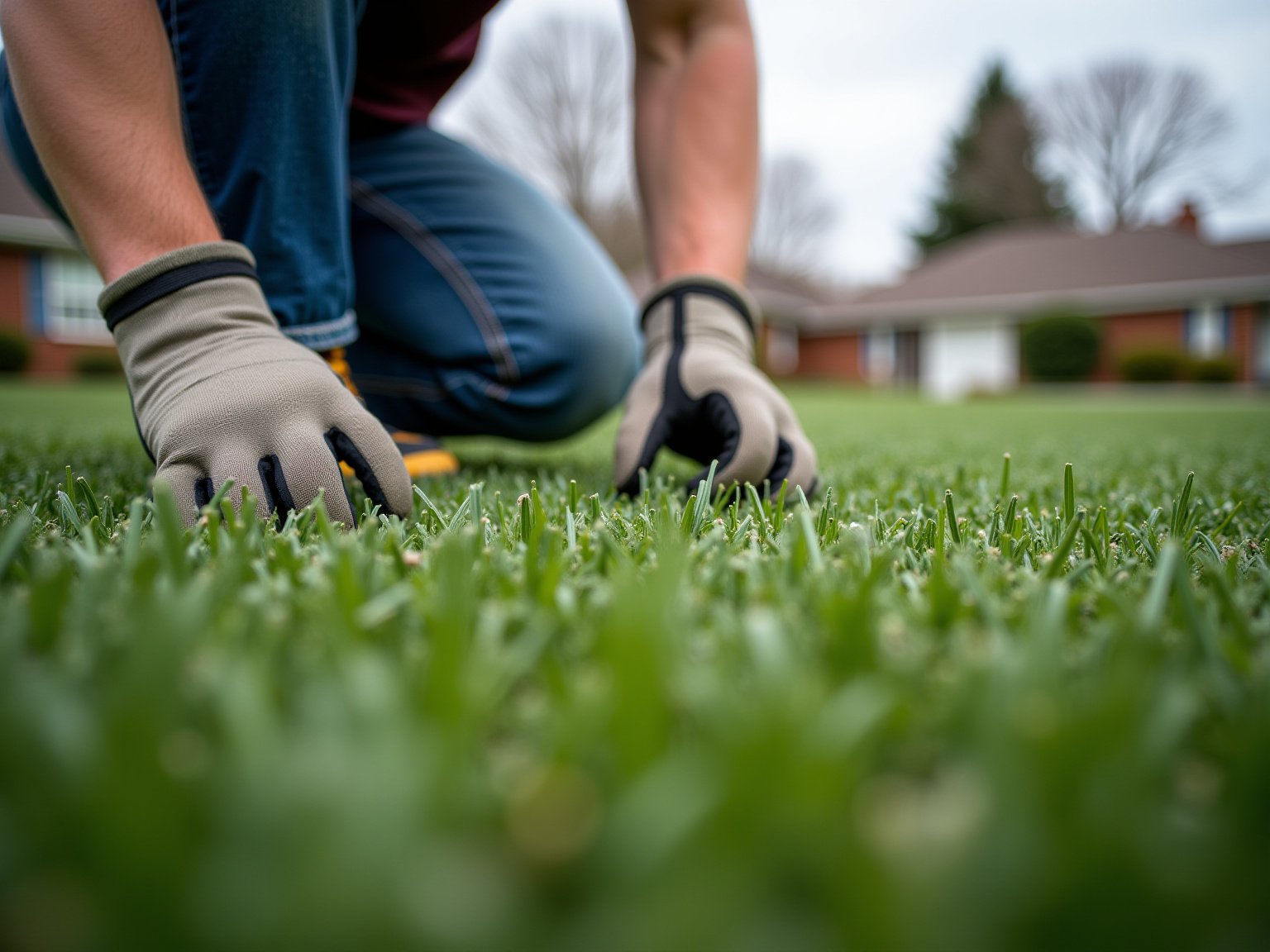
Key Takeaways
- Start fall maintenance tasks 6-8 weeks before your first hard frost
- Apply winter fertilizer with higher potassium content to strengthen grass roots
- Continue mowing until growth stops, gradually lowering blade height
- Rake leaves weekly to prevent grass suffocation and disease
- Overseed cool-season grasses in early fall for best establishment
Introduction
As summer heat gives way to cooler temperatures, your lawn needs different care to stay healthy through winter and thrive next spring. Fall lawn maintenance is actually more important than spring care because it builds the foundation for year-round lawn health[2]. The cooler weather and increased moisture create ideal conditions for root development and recovery from summer stress.
Essential Fall Lawn Care Tasks
Leaf Management and Debris Removal
Fallen leaves might look beautiful, but they can seriously damage your lawn if left unmanaged. A thick layer of leaves blocks sunlight and traps moisture, creating perfect conditions for fungal diseases[3]. Rake or mulch leaves at least weekly during peak fall season.
For light leaf coverage, use a mulching mower to chop leaves into small pieces that decompose quickly. Heavy leaf accumulation requires raking or using a leaf blower. Don't bag all those leaves – they make excellent compost material for next year's garden.
Fertilization Strategy
Fall fertilization is arguably the most important feeding of the year[4]. Our guide to the best fall fertilizer for lawns breaks down NPK ratios and top picks. Apply a winter fertilizer with lower nitrogen and higher potassium content between late September and early November. This nutrient balance helps grass plants store energy in their roots and develop cold tolerance.
Look for fertilizers with an N-P-K ratio around 10-10-20 or similar high-potassium formulations. Apply according to package directions, typically 1-2 pounds of actual nitrogen per 1,000 square feet. Water lightly after application if no rain is expected within 48 hours.
Overseeding and Repair
Early fall is the perfect time to overseed thin or bare spots in your lawn[1]. Cool-season grasses like fescue, bluegrass, and ryegrass establish best when soil temperatures are between 50-65°F.
Prepare bare spots by loosening the top inch of soil and removing debris. Spread seed at recommended rates – typically 2-4 pounds per 1,000 square feet for overseeding. Keep newly seeded areas consistently moist until germination occurs, usually within 7-14 days.
Step-by-Step Fall Maintenance Timeline
Early Fall (September)
Week 1-2: Begin overseeding projects and apply pre-emergent herbicide if needed for winter weeds. See our fall weed control strategy for product and timing details. This timing allows grass seed to establish before cooler weather arrives[5].
Week 3-4: Start regular leaf removal routine. Apply fall fertilizer during this period for most regions. Begin aerating if your soil is compacted.
Mid-Fall (October)
Week 1-2: Continue leaf management and monitor new grass growth from overseeding. Reduce watering frequency but increase duration to encourage deep root growth[2].
Week 3-4: Gradually lower mowing height by one setting. Continue mowing as long as grass is actively growing.
Late Fall (November)
Week 1-2: Complete final mowing of the season, cutting grass to about 2-2.5 inches high[4]. Finish leaf removal before snow arrives.
Week 3-4: Perform final equipment maintenance and winterize irrigation systems in freezing climates.
Aeration and Soil Care
Fall aeration benefits lawns with compacted soil or heavy thatch buildup. Core aeration, which removes small plugs of soil, allows air, water, and nutrients to reach grass roots more effectively[3]. Rent a core aerator for large areas or use a manual aerator for smaller spaces.
Aerate when soil moisture is adequate – not too wet or too dry. The soil plugs left on the surface will break down naturally over winter, adding organic matter back to your lawn.
Timing Considerations
Aeration timing depends on your grass type and climate. Cool-season grasses benefit from fall aeration between late August and October — our fall lawn aeration timing guide covers regional windows in detail. Avoid aerating during drought stress or when soil is waterlogged.
Mowing and Height Management
Adjust your mowing schedule as grass growth slows in fall. Continue cutting regularly but gradually reduce cutting height over several mowing sessions[5]. Your final mow should leave grass at about 2-2.5 inches – shorter than summer height but not scalped.
Shorter grass reduces snow mold risk and makes spring cleanup easier. However, cutting too short removes energy reserves stored in leaf blades, weakening the plant going into winter.
Conclusion
Successful fall lawn maintenance sets the stage for a beautiful lawn next spring. Focus on these core activities: regular leaf removal, proper fertilization with winter-formula products, overseeding thin areas, and gradual height reduction in your final mowing sessions. Start these tasks early enough to complete them before winter weather arrives in your area.
Take action now by assessing which tasks your lawn needs most. Begin with leaf management and fertilization, then move on to any overseeding or aeration projects. When you've finished these tasks, head over to our guide on preparing your lawn for winter to complete the seasonal transition. Your spring lawn will thank you for the extra attention you give it this fall.
Sources
- University of Minnesota Extension - Fall lawn care and overseeding guidelines
2. Penn State Extension - Turfgrass fertilization and seasonal care practices
3. Michigan State University Extension - Lawn aeration and leaf management research
4. Scotts Miracle-Gro - Professional lawn care timing and fertilizer research
5. University of Georgia Extension - Turfgrass management and maintenance schedules
