Quick Answer
The best time for fall lawn aeration is 4-6 weeks before your area's first hard frost, typically between late August and mid-October depending on your location[1]. This timing allows grass roots to recover and establish before winter dormancy while soil conditions are still favorable for growth[2].
Key Takeaways
- Aerate 4-6 weeks before first hard frost for optimal root recovery
- Cool-season grasses benefit most from fall aeration during active growth periods
- Soil should be moist but not waterlogged for effective core removal
- Northern regions should aerate earlier (August-September) than southern areas (September-October)
- Combine aeration with overseeding for maximum lawn improvement
Fall aeration represents one of the most critical lawn care practices for maintaining a healthy, thriving lawn. For a step-by-step walkthrough of the technique itself, see our guide on how to aerate your lawn. Unlike spring aeration, fall timing takes advantage of cooler temperatures and increased moisture, creating ideal conditions for grass recovery and root development before winter dormancy.
Why Fall Aeration Timing Matters
Proper timing ensures your lawn receives maximum benefits from the aeration process. Aerating too early in fall can stress grass during hot weather, while aerating too late doesn't provide sufficient recovery time before winter[3].
Cool-season grasses like fescue, bluegrass, and ryegrass enter their second active growing period in fall, making this the optimal time for core aeration[1]. The combination of moderate temperatures, increased rainfall, and reduced heat stress creates perfect conditions for rapid root expansion into newly created soil spaces.
Warm-season grasses in transitional zones can also benefit from early fall aeration, but timing becomes more critical as these grasses begin slowing growth earlier than their cool-season counterparts[4].
Step-by-Step Fall Aeration Process
Successful aeration requires proper preparation and execution. Start by watering your lawn 24-48 hours before aeration if conditions are dry - soil should be moist but not soggy[2].
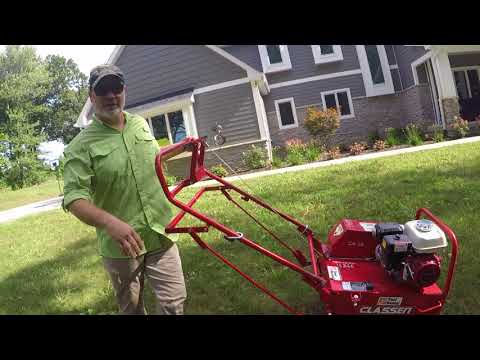
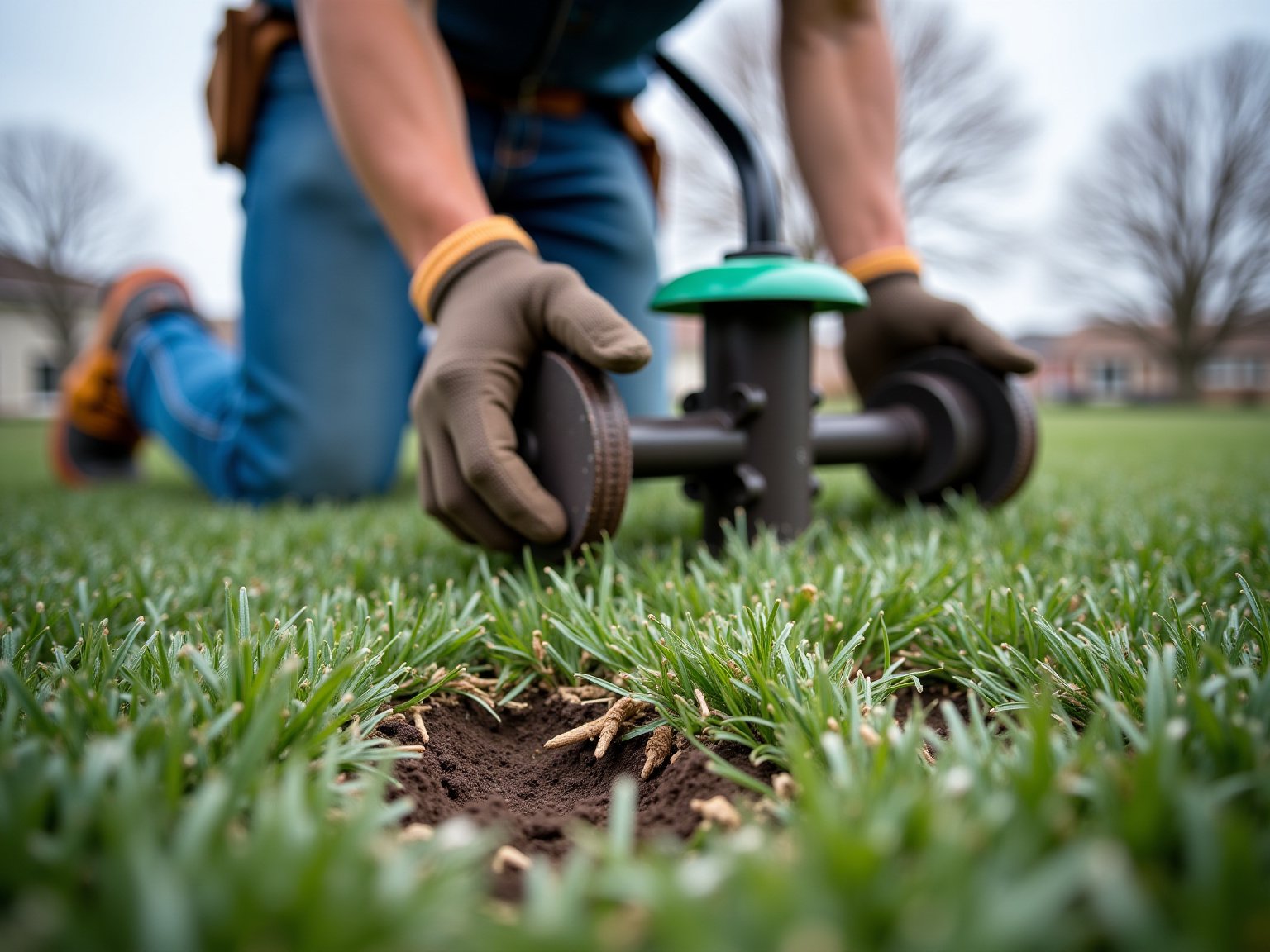
Equipment preparation involves renting or purchasing a core aerator rather than using spike aerators, which can cause additional soil compaction. Core aerators remove actual plugs of soil, creating channels for air, water, and nutrients.
The aeration process begins with marking sprinkler heads, shallow utility lines, and other obstacles. Make two passes over your lawn in different directions, ensuring 20-40 holes per square foot for maximum effectiveness[3].
Post-aeration care includes leaving soil cores on the surface to decompose naturally, providing organic matter back to your lawn. This is also the ideal time for overseeding, as seeds will settle into the aeration holes for improved germination rates.
Regional Timing Considerations
Your specific location significantly impacts optimal aeration timing. Northern regions (USDA zones 3-5) should complete aeration between late August and early September, allowing 6-8 weeks before hard frost[5].
Mid-Atlantic and Midwest areas (zones 6-7) have flexibility for September through early October aeration, while southern transitional zones (zone 8) can extend timing into mid-October[1].
Monitor local weather forecasts for temperature trends rather than relying solely on calendar dates. Unseasonably warm falls may allow later aeration, while early cold snaps require advancing your schedule[4].
Soil and Weather Conditions
Soil moisture plays a crucial role in aeration effectiveness. Dry, compacted soil prevents proper core removal, while waterlogged conditions create muddy conditions and poor results[2].
Test soil moisture by inserting a screwdriver 3-4 inches into the ground. It should penetrate with moderate pressure but not slide in effortlessly. If soil is too dry, water thoroughly 24 hours before aerating[3].
Temperature considerations include avoiding aeration when daytime temperatures consistently exceed 80°F or when nighttime temperatures drop below 50°F for extended periods[5]. These conditions stress grass and slow recovery.
Maximizing Fall Aeration Benefits
Combine aeration with other fall lawn care practices for compound benefits. Apply starter fertilizer immediately after aeration to feed developing roots[4]. The aeration holes provide direct channels for nutrient delivery to root zones.
Overseeding within 48 hours of aeration takes advantage of improved seed-to-soil contact. Seeds settle into aeration holes where they're protected from birds and receive consistent moisture[1].
Consider topdressing with compost after aeration to improve soil structure and provide slow-release nutrients. A thin layer (1/4 inch) works into aeration holes, enhancing soil biology and water retention[6]. These steps are part of a broader fall lawn maintenance routine that prepares your yard for winter.
Conclusion
Optimal fall aeration timing requires balancing regional climate patterns, grass type, and current growing conditions. Plan your aeration for 4-6 weeks before expected hard frost, ensure proper soil moisture, and combine with overseeding and fertilization for maximum impact. If you're still deciding whether spring or fall is right for your lawn, our article on the best time to aerate your lawn compares both windows. Start monitoring weather patterns in late summer to identify your ideal aeration window, and remember that consistent timing year after year builds cumulative benefits for long-term lawn health.
Sources
- Penn State Extension - Turfgrass aeration timing and techniques
2. University of Minnesota Extension - Soil preparation and aeration best practices
3. Scotts Company Research - Professional lawn care timing guidelines
4. University of Georgia Extension - Cool and warm season grass management
5. Michigan State University Extension - Regional lawn care timing recommendations
6. Professional Landcare Network - Industry standards for lawn aeration practices