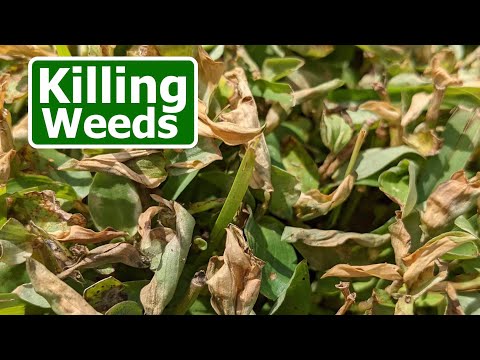
Quick Answer: Fall weed control focuses on preventing next year's weeds through pre-emergent herbicide applications, overseeding bare spots, and maintaining thick, healthy grass that naturally crowds out weeds. The key is timing applications between late August and mid-October when soil temperatures drop consistently below 70°F.
Key Takeaways
- Apply pre-emergent herbicides 4-6 weeks before expected soil temperature drops to target next spring's weeds
- Overseed thin areas in early fall to create dense turf that prevents weed establishment
- Post-emergent treatments work best on fall-germinating weeds like chickweed and henbit
- Proper fall fertilization strengthens grass roots for better weed resistance next season
- Timing varies by region - northern areas start earlier than southern zones
Fall presents the perfect opportunity to get ahead of next year's weed problems. While many homeowners focus on spring treatments, a strategic fall approach targets weeds when they're most vulnerable and sets your lawn up for success. For an overview of all your options, see our guide to weed control methods.
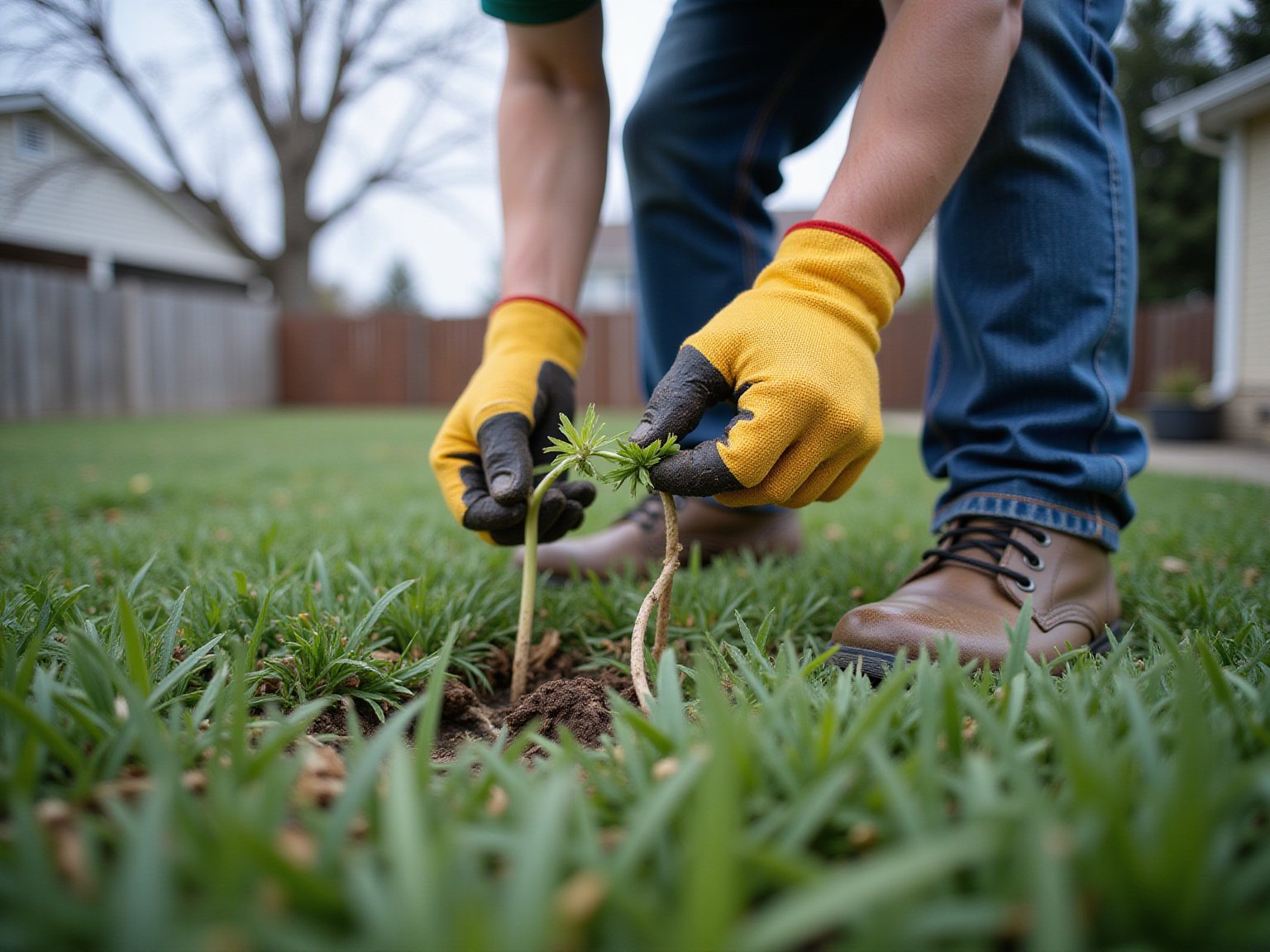
Understanding Fall Weed Cycles
Weeds follow predictable patterns that make fall control highly effective. Cool-season weeds like chickweed, henbit, and annual bluegrass germinate as soil temperatures drop in fall[1]. Meanwhile, warm-season annual weeds like crabgrass are dying off, creating opportunities for new growth.
Fall-germinating perennial weeds focus energy on root development rather than seed production, making herbicide treatments more effective[2]. This root-focused growth phase means herbicides translocate more efficiently to kill the entire plant system.
Soil temperature serves as your primary timing guide. Most problematic weeds germinate when soil temperatures consistently reach specific ranges - typically between 50-65°F for cool-season varieties[1].
Step-by-Step Fall Treatment Process
Pre-Emergent Application (Late August - Early October) Apply pre-emergent herbicides containing ingredients like prodiamine or pendimethalin when daytime temperatures drop below 75°F consistently. If crabgrass is your main target, our guide on when to apply crabgrass preventer covers the exact soil-temperature triggers. Water immediately after application to activate the herbicide barrier[3].
Post-Emergent Spot Treatments (September - November) Target visible weeds with selective broadleaf herbicides containing 2,4-D, dicamba, or MCPP. Choose calm days with temperatures between 60-85°F for optimal absorption[4].
Overseeding Integration (Early September - Mid October) Delay pre-emergent applications in areas planned for overseeding. Seed first, then apply pre-emergent 6-8 weeks after germination when new grass is established[2].
Follow-up Monitoring Inspect treated areas every 2-3 weeks. Some weeds require multiple treatments, especially established perennials like dandelions and plantain.
Regional Timing Considerations
Northern regions (Zones 3-6) should begin treatments in late August through September. Soil temperatures drop earlier, and the window for effective treatment is shorter[5].
Southern areas (Zones 8-10) can extend treatments through November. Warmer soil temperatures delay weed germination, providing a longer application window[1].
Transition zones (Zone 7) typically see optimal timing from mid-September through mid-October. Monitor local soil temperatures rather than relying solely on calendar dates[5].
Complementary Fall Lawn Practices
Fertilization enhances weed control effectiveness. Apply a fall fertilizer high in potassium to strengthen grass roots and improve herbicide uptake[3]. Avoid high-nitrogen fertilizers that promote excessive top growth before winter.
Aeration before treatment improves herbicide penetration and reduces soil compaction that encourages weed establishment[4]. Core aeration works best 2-3 weeks before herbicide application.
Proper mowing height supports weed control by maintaining dense turf. Keep cool-season grasses at 2.5-3 inches and warm-season varieties at 1.5-2.5 inches through fall[2].
Consistent watering helps herbicides work effectively while supporting grass recovery. Apply 1 inch weekly, including rainfall, until temperatures consistently drop below 50°F[3].
Conclusion
Weed control is just one part of a complete fall lawn maintenance routine. Implement your fall weed control strategy by first identifying your climate zone and current soil temperature. Apply pre-emergent treatments 4-6 weeks before expected germination periods, spot-treat existing weeds during optimal weather conditions, and overseed thin areas to prevent future weed establishment. Monitor results throughout fall and early winter, making note of any areas that need attention for next season's treatment plan.
Sources
- Texas A&M AgriLife Extension - Cool-season weed identification and control timing
2. University of Maryland Extension - Integrated turf management and overseeding guidelines
3. Scotts Company Research - Professional herbicide application and lawn care studies
4. Michigan State University Extension - Herbicide effectiveness and application best practices
5. USDA Plant Hardiness Zone Map - Regional climate data and growing season information