Quick Answer: Preparing your lawn for winter involves final mowing at the correct height, applying winter fertilizer, removing leaves and debris, and addressing any bare spots with overseeding. These essential fall tasks help your grass survive harsh winter conditions and emerge healthy in spring[1].
Key Takeaways
- Lower your final mow to 2-2.5 inches to prevent snow mold and pest issues
- Apply potassium-rich winter fertilizer 6-8 weeks before hard frost
- Remove all leaves and debris to prevent lawn suffocation
- Overseed thin areas early enough for root establishment before winter
- Continue watering until ground freezes if fall is dry
Why Winter Preparation Matters for Your Lawn
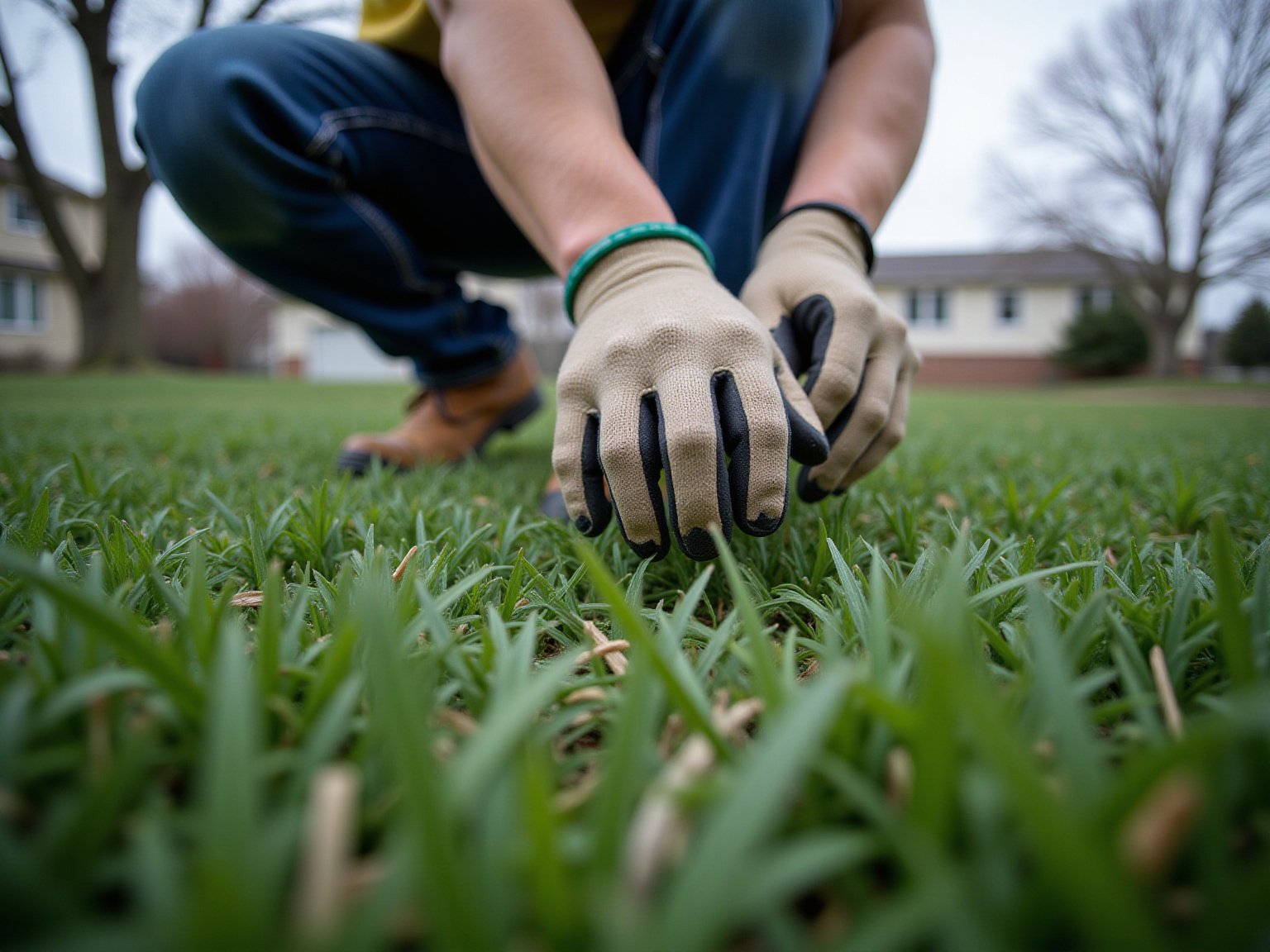
Proper winter preparation can mean the difference between a lush, green lawn next spring and costly repairs or reseeding. Cool-season grasses like fescue, bluegrass, and ryegrass continue growing and storing energy well into fall, making autumn care crucial for winter survival[2].
Without proper preparation, lawns face risks including snow mold, crown rot, rodent damage, and winter desiccation. Our article on protecting your lawn from snow damage explains how to prevent these issues during the winter months. These problems often don't become apparent until spring, when it's too late for prevention.
Step-by-Step Winter Preparation Guide
Final Mowing (Late October - Early November)
Your last mow of the season should gradually reduce grass height to 2-2.5 inches. This height prevents matting under snow while leaving enough blade surface for photosynthesis[3]. Avoid cutting more than one-third of the blade length in a single mowing.
Keep mowing until grass stops growing, which typically occurs when soil temperatures consistently stay below 40°F.
Leaf and Debris Removal
Remove all fallen leaves promptly - a thick leaf layer blocks sunlight and traps moisture, creating ideal conditions for fungal diseases[1]. Use a rake, leaf blower, or mulching mower to clear debris weekly throughout fall.
Shredded leaves can be left on the lawn if they don't create a thick mat, as they provide natural nutrients as they decompose.
Winter Fertilization and Soil Care
Apply a winter fertilizer high in potassium and low in nitrogen 6-8 weeks before your area's first hard frost. Our guide to the best fall fertilizer for lawns covers NPK ratios and a two-application schedule that maximizes results. Potassium strengthens cell walls and improves cold tolerance, while excess nitrogen can stimulate tender growth vulnerable to frost damage[4].
For most regions, this timing falls between mid-September and mid-October. Choose a fertilizer with an N-P-K ratio like 10-10-20 or similar potassium-heavy formula.
Overseeding and Repair Work
Early fall (late August to mid-September) is ideal for overseeding thin or bare areas. Grass seed needs 4-6 weeks to establish roots strong enough to survive winter[2].
Prepare the soil by lightly raking to create seed-to-soil contact, then water regularly until seedlings are established. Late-season seeding often fails due to insufficient root development before winter dormancy.
Essential Maintenance Through Late Fall
Watering Until Freeze
Continue regular watering if fall rainfall is insufficient, providing about 1 inch per week until the ground freezes[5]. Well-hydrated grass enters winter dormancy in better condition and suffers less winter desiccation damage.
Stop watering once daytime temperatures consistently stay below freezing to prevent ice formation that can damage grass crowns.
Equipment and Chemical Storage
Clean and store lawn equipment properly to prevent winter damage. Our complete guide to winterizing your lawn mower walks through every step, from draining fuel to blade storage. Drain fuel or add stabilizer to prevent carburetor problems. Clean grass clippings from mower decks to prevent rust and corrosion.
Store fertilizers and lawn chemicals in a dry, temperature-controlled environment to maintain effectiveness for next season[3].
Regional Timing Considerations
Northern regions (zones 3-5) should complete winter prep by mid-to-late October, while southern areas (zones 6-8) have until November or early December. Monitor local weather forecasts for the first hard frost prediction to time your final preparations[4].
Coastal areas may need to adjust timing based on maritime climate influences, while mountain regions should prepare earlier due to elevation effects on temperature.
Conclusion: Set Your Lawn Up for Spring Success
Proper winter preparation requires just a few weekends of focused effort but pays dividends in spring lawn health and appearance. Start with your final mowing and fertilization, then address any overseeding needs while temperatures are still favorable.
Your action plan: schedule your winter fertilizer application now, plan your final mowing for late October, and complete any overseeding by mid-September. If you haven't tackled aeration and leaf management yet, our fall lawn maintenance guide has the complete timeline. With these steps complete, your lawn will be ready to weather winter's challenges and emerge vibrant next spring.
Sources
- University of Minnesota Extension - Fall lawn care and winter preparation guidelines
2. Michigan State University Extension - Cool-season turfgrass management and overseeding practices
3. Scotts Miracle-Gro - Professional lawn care timing and fertilization research
4. University of Illinois Extension - Turfgrass fertilization and seasonal care best practices
5. Iowa State University Extension - Lawn watering and winter preparation recommendations