Quick Answer
Texas lawns face unique challenges including chinch bugs, brown patch disease, and stubborn weeds like crabgrass and nutsedge due to the state's hot summers, variable humidity, and diverse climate zones spanning USDA 6b-9a[1]. The most common issues affect warm-season grasses like Bermudagrass and St. Augustinegrass during peak growing season from April through September[2].
Key Takeaways
- Chinch bugs and white grubs are the most destructive pests for Texas warm-season grasses
- Brown patch and take-all root rot thrive in Texas's humid conditions, especially in eastern regions
- Crabgrass and nutsedge require targeted pre-emergent applications in late February to early March
- St. Augustinegrass and Bermudagrass have different vulnerability periods and treatment needs
- Proper identification is crucial since Texas climate varies dramatically from humid east to arid west
Texas homeowners deal with lawn problems year-round, but the intense summer heat and variable humidity create perfect conditions for specific pests, diseases, and weeds that can devastate warm-season grasses. Understanding these regional challenges helps you maintain healthy turf across the state's diverse climate zones.
What Are the Most Damaging Pests in Texas Lawns?
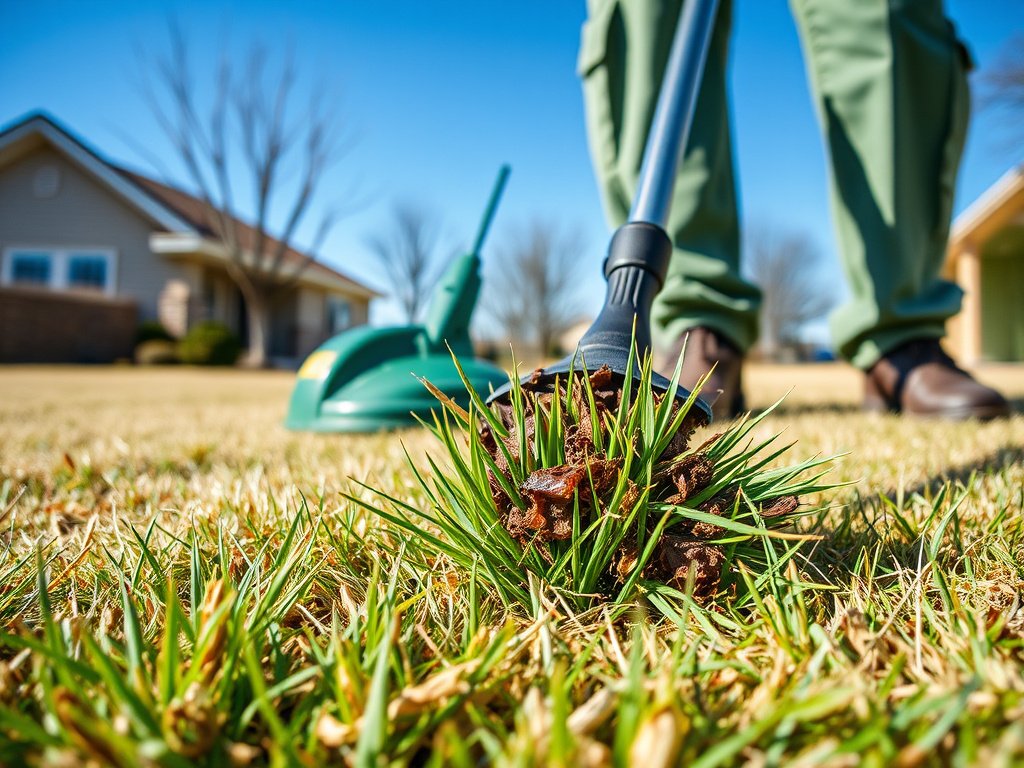
Chinch bugs top the list of destructive lawn pests in Texas, particularly targeting St. Augustinegrass during hot, dry periods from June through August[3]. These tiny insects cause irregular brown patches that expand rapidly in temperatures above 85°F, making them especially problematic during Texas summers.
White grubs present another major threat, with larvae feeding on grass roots from late summer through fall. Bermudagrass and Zoysiagrass are most susceptible, showing symptoms as loose, easily-pulled turf sections[1]. Fire ants, while primarily a nuisance pest, damage lawn equipment and create unsightly mounds that compete with grass.
Armyworms can devastate entire lawns within days during their peak activity periods in late summer and fall. These caterpillars prefer Bermudagrass and can consume leaf blades faster than the grass can recover, especially during stress periods[4].
Which Diseases Most Commonly Affect Texas Grass Types?
Brown patch disease thrives in Texas's humid conditions, particularly affecting St. Augustinegrass from April through June and again in fall. The disease creates circular brown patches 2-3 feet in diameter, spreading rapidly when nighttime temperatures exceed 68°F with high humidity[2].
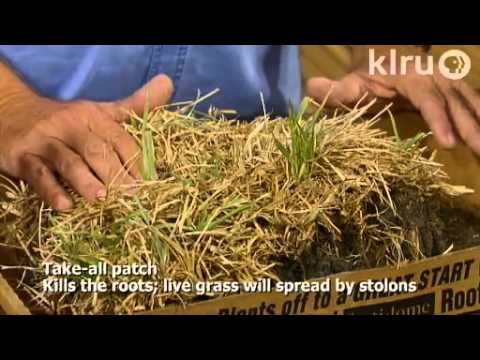
Take-all root rot poses a serious threat to St. Augustinegrass in alkaline Texas soils, causing gradual thinning and yellowing that worsens over multiple seasons. This soil-borne fungus is particularly problematic in clay soils common throughout North and Central Texas[5].
Gray leaf spot primarily affects St. Augustinegrass during periods of high humidity and frequent rainfall, creating elongated lesions on leaf blades. The disease is most active when temperatures range between 80-90°F with extended leaf wetness periods[1].
Dollar spot affects Bermudagrass and Zoysiagrass, creating small, circular brown patches about the size of a silver dollar. Low nitrogen levels and morning dew common in Texas create ideal conditions for this fungal disease[3].
What Weeds Cause the Biggest Problems for Texas Homeowners?
Crabgrass dominates Texas lawns when pre-emergent herbicides aren't applied by early March, before soil temperatures reach 55°F for several consecutive days. This annual grass thrives in the state's warm climate and can quickly overtake stressed warm-season grasses[6].
Nutsedge, particularly yellow nutsedge, flourishes in Texas's clay soils and irrigated areas, growing faster than grass and creating unsightly clumps. This perennial sedge is notoriously difficult to control and requires specialized herbicides applied during active growth periods[2].
Dallisgrass forms tough, clumpy patches that disrupt uniform lawn appearance and competes aggressively with desirable grasses. This perennial weed is particularly problematic in overly wet or poorly drained areas common in East Texas[1].
Spurge and henbit emerge during cooler months, taking advantage of dormant warm-season grasses from December through February. These winter annuals establish quickly in thin turf areas and can prevent proper spring green-up[4].
How Do Texas Climate Conditions Contribute to Lawn Problems?
Texas's extreme temperature variations stress warm-season grasses, making them more susceptible to pest and disease problems. Summer temperatures averaging 95°F combined with inconsistent rainfall patterns weaken grass, while the state's alkaline soils create nutrient availability issues[5].
The humidity gradient from east to west Texas creates different problem zones. Eastern regions with higher humidity favor fungal diseases like brown patch, while western areas face drought stress and increased insect pressure. Central Texas experiences both challenges depending on seasonal weather patterns[3].
Irregular rainfall patterns, with an annual average of just 28 inches, force homeowners to rely heavily on irrigation. Overwatering creates conditions for disease development, while underwatering during peak summer months weakens grass and invites pest infestations[6].
Conclusion
Successfully managing Texas lawn problems requires understanding your specific grass type, local climate conditions, and proper timing for preventive treatments. Start with pre-emergent applications in late February, monitor for pest activity during peak summer months, and maintain proper watering practices to prevent disease development. Work with your local county extension office for soil testing and specific recommendations based on your region's unique challenges.
Sources
- Texas A&M AgriLife Extension - Texas Turfgrass Management and Pest Control Guidelines
2. University of Arkansas Extension - Warm Season Turfgrass Disease Management
3. Entomological Society of America - Chinch Bug Biology and Management in Southern Turfgrass
4. Oklahoma State University Extension - Turfgrass Pest Management for the Southern Plains
5. USDA Natural Resources Conservation Service - Texas Soil Survey and Turfgrass Adaptation
6. Professional Landcare Network - Regional Weed Management Strategies