Quick Answer
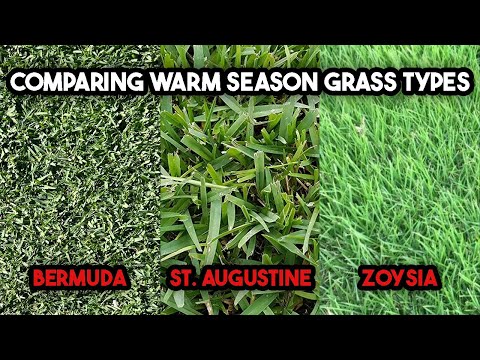
The best grass types for Texas are warm-season varieties including St. Augustinegrass for shade tolerance and thick coverage, Bermudagrass for high traffic areas, Zoysiagrass for drought resistance, and Buffalograss for low-maintenance lawns[1]. Your choice depends on your specific location within Texas's USDA zones 6b-9a, sun exposure, and maintenance preferences.
Key Takeaways
- St. Augustinegrass thrives in Texas heat and provides excellent shade tolerance
- Bermudagrass offers superior durability for high-traffic areas but requires full sun
- Zoysiagrass delivers exceptional drought resistance once established
- Buffalograss works best in western Texas's arid conditions with minimal water
- Tall Fescue can work in northern Texas (zones 6b-7a) but struggles in extreme heat
Introduction
Texas presents unique lawn care challenges with its diverse climate ranging from humid eastern regions to arid western areas, scorching summers averaging 95°F, and varying rainfall from 28 inches annually[2]. Success depends on selecting grass varieties that can handle intense heat, potential drought conditions, and common Texas pests like chinch bugs and white grubs while thriving in your specific hardiness zone.
What Grass Grows Best in Different Texas Regions?
East Texas (Humid Regions) St. Augustinegrass dominates eastern Texas lawns due to its tolerance for higher humidity and shade conditions. This thick, carpet-like grass handles the region's moisture levels while resisting common diseases like brown patch when properly managed[1]. Zoysiagrass also performs well here, offering a dense, luxurious lawn that can handle moderate foot traffic.
Central Texas (Transition Zone) Both St. Augustine and Bermudagrass excel in central Texas's mixed conditions. Bermudagrass particularly shines in full-sun areas with heavy use, quickly recovering from damage and drought stress[3]. For homeowners wanting lower maintenance, Zoysiagrass provides excellent drought tolerance once its deep root system establishes.
West Texas (Arid Regions) Buffalograss naturally thrives in western Texas's low-rainfall environment, requiring minimal irrigation once established. This native grass can survive on as little as 12 inches of annual precipitation[4]. Bermudagrass also works well here with supplemental watering during extreme drought periods.
North Texas (Cooler Zones) In USDA zones 6b-7a, Tall Fescue can supplement warm-season grasses, though it struggles during peak summer heat. Most North Texas homeowners still prefer Bermudagrass or St. Augustine, often overseeding with ryegrass in October for winter color[1].
How Do I Choose Between St. Augustine and Bermudagrass?
Choose St. Augustinegrass when you have:
- Partial shade areas (tolerates 4-6 hours of sunlight)
- Preference for thick, wide-blade appearance
- Moderate foot traffic
- Willingness to water regularly during drought
Choose Bermudagrass when you have:
- Full sun exposure (6+ hours daily)
- High-traffic areas with children or pets
- Preference for lower water requirements
- Need for quick recovery from damage
Bermudagrass spreads aggressively through stolons and rhizomes, making it excellent for filling bare spots but potentially invasive in flower beds[5]. St. Augustine spreads more slowly and is easier to contain but requires more consistent moisture.
When Should I Plant Grass in Texas?
Spring Planting (April-May) Plant warm-season grasses after the last frost when soil temperatures consistently reach 65°F. This timing allows establishment before Texas's intense summer heat while providing a full growing season[1].
Early Summer Planting (June) Still viable for sod installation, though requires more frequent watering. Seed planting becomes riskier due to heat stress on germinating grass.
Fall Considerations Avoid planting warm-season grasses after August in Texas, as insufficient establishment time before winter dormancy increases winter injury risk[6]. Use fall for ryegrass overseeding instead.
Preparation Steps:
- Apply pre-emergent herbicide in late February to prevent crabgrass
- Test soil pH (ideal range 6.0-7.0 for most Texas grasses)
- Improve drainage in clay soils common throughout Texas
- Plan irrigation system installation before planting
What Maintenance Do Texas Grasses Need?
Mowing Schedule Begin mowing in March when grasses break dormancy, continuing through November. Set heights according to grass type: St. Augustine (2.5-4 inches), Bermudagrass (1-2 inches), Zoysiagrass (1-2.5 inches), and Buffalograss (2-3 inches)[1].
Fertilization Timing Apply fertilizer from April through September when grasses actively grow. Texas A&M recommends soil testing every 2-3 years to determine specific nutrient needs[1]. Avoid late-fall fertilization that can reduce cold tolerance.
Pest and Disease Management Monitor for chinch bugs in St. Augustine during hot weather, white grubs in summer, and brown patch disease during humid conditions. Early detection and treatment prevent major lawn damage[2].
Water Management Establish deep, infrequent watering schedules. Most Texas grasses need 1-1.5 inches weekly during growing season, but Buffalograss requires significantly less once established.
Conclusion
Selecting the right grass for your Texas lawn depends on balancing your local climate zone, sun exposure, traffic patterns, and maintenance preferences. St. Augustinegrass offers the best shade tolerance and thick coverage, while Bermudagrass provides unmatched durability for active families. Zoysiagrass delivers premium drought resistance, and Buffalograss serves western Texas's low-water needs perfectly.
Start by assessing your yard's sun exposure and intended use, then choose your grass type accordingly. Plan installation for April-May, establish proper maintenance routines, and enjoy a thriving Texas lawn that can handle whatever the Lone Star State's climate brings.
Sources
- Texas A&M AgriLife Extension - Texas Turfgrass Management and Variety Selection
2. USDA Climate Data - Texas Climate Zones and Weather Patterns
3. Oklahoma State University Extension - Bermudagrass Management in Southern Climates
4. University of Arkansas Extension - Native Grass Establishment in Arid Regions
5. Turfgrass Science Journal - Comparative Growth Patterns of Warm-Season Grasses
6. Louisiana State University Extension - Timing Considerations for Southern Grass Establishment