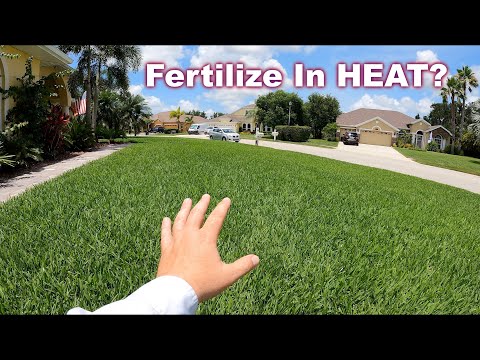
![Summer Fertilizer Tips [DIY Lawn Care]](https://img.youtube.com/vi/6cKgIQ_de4g/hqdefault.jpg)
Quick Answer
Summer lawn care in North Carolina requires adapting to the state's humid subtropical climate and managing both cool-season fescue and warm-season grasses like Bermudagrass and Zoysiagrass. Focus on deep, infrequent watering, managing heat stress on tall fescue lawns, and preventing common summer diseases like brown patch that thrive in North Carolina's high humidity.
Key Takeaways
- Water deeply 1-2 times per week, providing 1-1.5 inches total to combat North Carolina's summer heat and humidity
- Raise mowing height to 3-4 inches for fescue and 1-2 inches for warm-season grasses to reduce heat stress
- Apply summer fertilizer in June for warm-season grasses; avoid fertilizing cool-season fescue during peak summer heat
- Monitor for brown patch disease and fall armyworms, which are prevalent in North Carolina's humid summer conditions
- Improve air circulation and reduce thatch to prevent fungal diseases common in the state's climate
Introduction
Successful summer lawn care in North Carolina presents unique challenges due to the state's position in the transition zone[1]. With average summer highs reaching 88°F and high humidity levels, homeowners must navigate caring for both cool-season tall fescue (dominant in the Piedmont and mountains) and warm-season grasses like Bermudagrass and Zoysiagrass (more common in eastern regions). The state's 46 inches of annual rainfall and humid conditions create ideal environments for fungal diseases, making proper summer management crucial for lawn health[2].
How Should I Water My North Carolina Lawn in Summer?
Proper watering is critical during North Carolina's hot, humid summers. The key is deep, infrequent watering that encourages deep root growth while preventing the surface moisture that promotes fungal diseases[3].
Watering Schedule and Amount:
- Provide 1-1.5 inches of water per week, including rainfall
- Water 1-2 times per week rather than daily light watering
- Water early morning (6-10 AM) to reduce disease pressure and water loss
Grass-Specific Watering: Tall fescue lawns need consistent moisture during summer stress periods, while established Bermudagrass and Zoysiagrass are more drought-tolerant once their root systems mature[1]. Fescue lawns may require supplemental irrigation during North Carolina's typical dry spells in July and August.
What Mowing Practices Work Best for North Carolina Summer Heat?
Mowing height becomes crucial during North Carolina's intense summer heat. Proper mowing reduces stress and helps grass withstand the state's challenging summer conditions[4].
Height Recommendations by Grass Type:
- Tall Fescue: 3-4 inches (higher end during peak summer)
- Bermudagrass: 1-2 inches
- Zoysiagrass: 1-2.5 inches
- Centipedegrass: 1.5-2 inches (eastern NC)
Summer Mowing Tips:
- Never remove more than one-third of grass blade length
- Mow when grass is dry to prevent disease spread
- Keep mower blades sharp to avoid tearing grass
- Consider mowing every 10-14 days during peak heat rather than weekly
Taller grass provides better shade for soil, reducing water evaporation and protecting roots from North Carolina's intense summer sun[5].
How Do I Prevent Common North Carolina Summer Lawn Problems?
North Carolina's humid summers create ideal conditions for specific pests and diseases that homeowners must proactively manage[2].
Disease Prevention: Brown patch is the most significant summer disease threat in North Carolina, thriving in temperatures above 80°F with high humidity[3]. Prevention strategies include:
- Improving air circulation around lawn areas
- Reducing thatch buildup through dethatching
- Avoiding late-day watering
- Applying preventive fungicides in early summer if brown patch was problematic previously
Pest Management: Fall armyworms typically appear in late summer (August-September) and can devastate North Carolina lawns quickly[6]. Watch for:
- Small brown patches that appear overnight
- Grass blades chewed down to stems
- Small green caterpillars visible in early morning
White grubs are also active in summer, with damage becoming apparent in July and August as they feed on grass roots during hot weather[1].
When Should I Fertilize My North Carolina Lawn in Summer?
Fertilizer timing in North Carolina depends entirely on grass type, as cool-season and warm-season grasses have different nutritional needs during summer months[4].
Warm-Season Grass Fertilization:
- Bermudagrass and Zoysiagrass: Apply balanced fertilizer in June
- Follow up with light nitrogen application in July if needed
- Final warm-season fertilizer application in August
Cool-Season Grass Management:
- Tall Fescue: Avoid fertilizing during peak summer heat (July-August)
- Resume fertilization in early September when temperatures moderate
- Focus summer efforts on proper watering and mowing height
Soil testing every 2-3 years helps determine specific nutrient needs, as North Carolina's varied soils can have different pH and nutrient profiles[1].
Conclusion
Successful summer lawn care in North Carolina requires understanding your specific grass type and adapting practices to the state's humid, hot summers. Focus on proper watering techniques, appropriate mowing heights, and proactive disease prevention[5]. As temperatures begin to moderate in late August, start planning for fall overseeding of fescue lawns and final fertilizer applications. Remember that North Carolina's transition zone climate means your lawn management strategy should account for both summer stress and preparation for active fall growth periods.
Sources
- NC State Extension - Comprehensive turfgrass management and lawn care guidelines for North Carolina
2. University of Georgia Extension - Transition zone lawn care and disease management resources
3. Virginia Tech Extension - Summer lawn watering and disease prevention strategies
4. Pennington Seed - Professional lawn care research and grass-specific maintenance guidelines
5. University of Tennessee Extension - Heat stress management and mowing best practices for southeastern lawns
6. USDA Cooperative Extension - Fall armyworm identification and integrated pest management strategies