
Quick Answer
Fall is the most critical season for lawn care in North Carolina, particularly for tall fescue lawns that thrive in the state's transition zone climate. September through October is prime time for overseeding fescue, applying fertilizer, and controlling fall armyworms and white grubs that commonly plague North Carolina lawns.
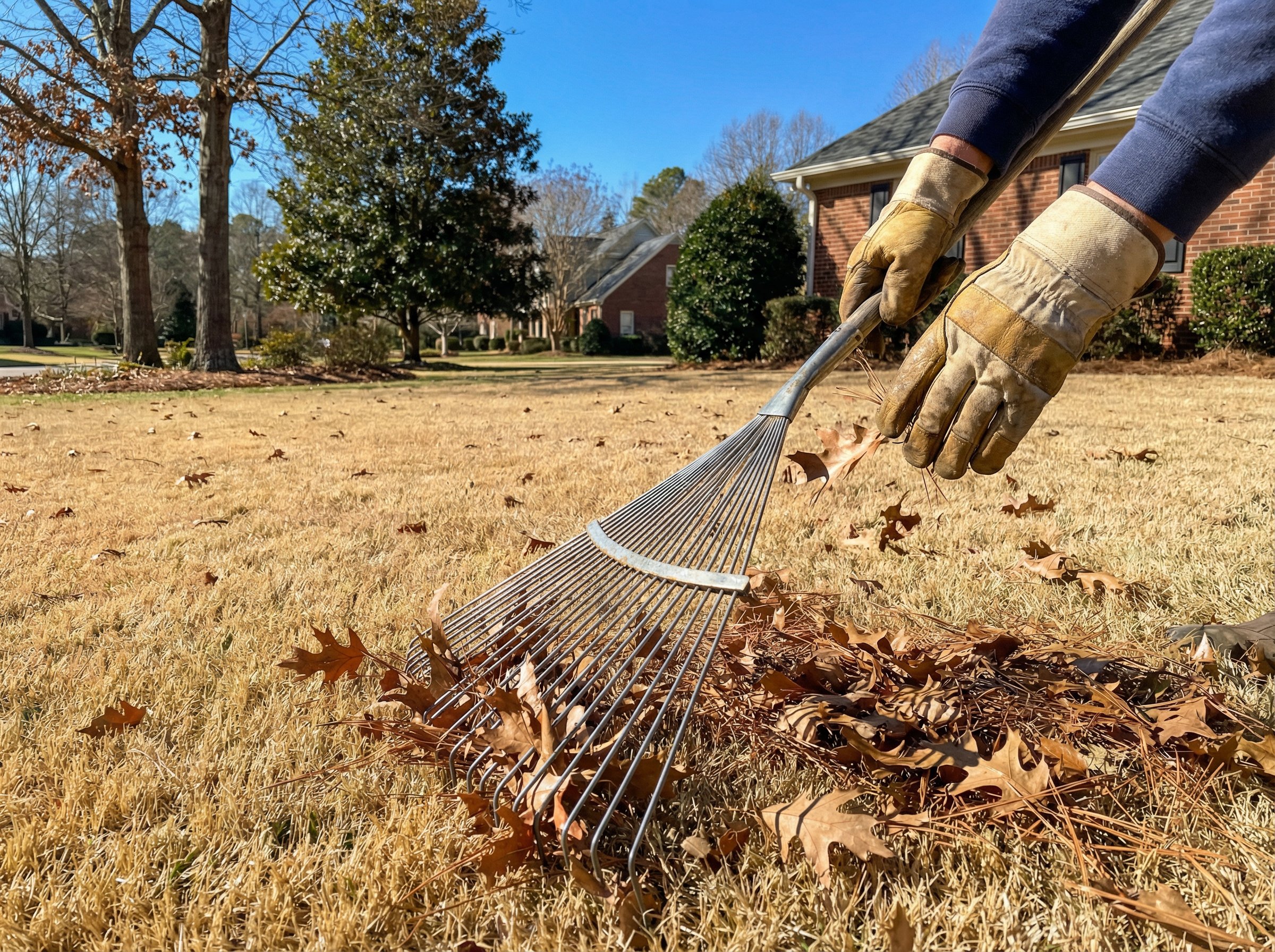
Key Takeaways
- September-October is optimal for overseeding tall fescue lawns across North Carolina's zones 6a-8b
- Fall fertilization is crucial for both cool-season grasses preparing for winter and warm-season grasses storing energy for dormancy
- Core aeration in early fall improves root development before winter stress
- Fall armyworms and white grubs are active pest threats requiring targeted treatment
- Pre-emergent herbicide applications in late fall prevent winter weeds like henbit and chickweed
Fall lawn care in North Carolina requires understanding the state's unique transition zone climate, where both cool-season and warm-season grasses coexist[1]. With USDA zones ranging from 6a in the mountains to 8b in the eastern coastal plain, timing and techniques vary across the state's diverse geography[2].
What Should I Do First for Fall Lawn Care in North Carolina?
Start with soil testing and assessment in late August or early September. North Carolina's humid subtropical climate and clay-heavy soils often create pH imbalances and compaction issues that affect grass health[1]. Test soil pH (ideal range 6.0-7.0 for most grasses) and check for thatch buildup exceeding half an inch[3].
Core aeration should be your first major fall task, especially for tall fescue lawns. September through early October provides optimal conditions when soil moisture is adequate but not oversaturated[4]. Aeration is particularly beneficial in North Carolina's clay soils, which become compacted from summer heat and humidity.
For warm-season grasses like bermudagrass and zoysiagrass, complete final mowing and fertilization before they enter dormancy in November. These grasses need different fall care than cool-season varieties[1].
When Should I Overseed My Lawn in North Carolina?
Tall fescue overseeding should occur between September 1st and October 15th across most of North Carolina, with earlier timing for mountain regions (zones 6a-7a) and later timing acceptable in eastern coastal areas (zone 8b)[1]. This timing allows 6-8 weeks of growth before winter dormancy[5].
Prepare the seedbed by dethatching if necessary and applying a starter fertilizer with higher phosphorus content. North Carolina's fall rainfall averages 3-4 inches monthly, providing natural irrigation for germination[2]. However, supplement with light daily watering if September proves dry.
Choose tall fescue varieties suited to North Carolina's climate stress[6]. Turf-type tall fescues perform best in the state's transition zone, offering heat tolerance for hot summers and cold tolerance for mountain winters.
How Should I Fertilize My North Carolina Lawn in Fall?
Fall fertilization timing depends on grass type. For tall fescue and other cool-season grasses, apply fertilizer in early September and again in late October or early November[3]. This schedule supports root development and winter hardiness.
Use a balanced fertilizer (such as 10-10-10) for the September application, followed by a winter fertilizer higher in potassium for the November feeding[4]. Potassium improves cold tolerance, crucial for North Carolina's variable winter temperatures that can range from 20°F in the mountains to 40°F in the coastal plain.
For warm-season grasses like bermudagrass and zoysiagrass, apply final fertilization by mid-September. Late fertilization can delay dormancy and increase winter injury risk[1]. Avoid nitrogen applications after September 15th for warm-season varieties.
What Pests and Diseases Should I Watch for in North Carolina Fall?
Fall armyworms become active in North Carolina during late summer and early fall, particularly after warm, humid weather[2]. These caterpillars can devastate lawns quickly, especially bermudagrass and tall fescue. Look for irregular brown patches and small green pellets (frass) on grass blades[4].
White grubs peak in fall as they feed extensively before winter. Apply preventive grub control in late August or early September, or use curative treatments if damage appears[3]. Grub damage appears as brown, spongy areas that lift easily from soil.
Brown patch disease thrives in North Carolina's humid fall conditions, particularly affecting tall fescue when nighttime temperatures remain above 60°F with high humidity[1]. Improve air circulation by reducing thatch and avoid evening watering.
Dollar spot may appear during dry fall periods, creating small bleached spots in the lawn. This fungal disease responds well to adequate nitrogen fertility and proper watering practices[5].
When Should I Apply Pre-Emergent Herbicide in Fall?
Apply pre-emergent herbicide in mid-to-late November to prevent winter annual weeds like henbit, chickweed, and annual bluegrass[1]. These weeds germinate when soil temperatures drop below 70°F, typically occurring in late October across most of North Carolina[4].
Timing varies slightly by region - mountain areas may need application by early November, while coastal regions can wait until late November or early December[2]. The key is application before germination begins but after soil temperatures start declining consistently.
Water the herbicide lightly after application to activate the barrier. North Carolina's fall rainfall usually provides adequate activation, but supplement if needed during dry periods[6].
Conclusion
Successful fall lawn care in North Carolina requires timing activities to the state's transition zone climate and addressing region-specific challenges. Focus on overseeding fescue lawns in September, implementing proper fertilization schedules for your grass type, and staying vigilant against fall armyworms and other common pests. Complete major tasks by October to ensure your lawn enters winter healthy and prepared for spring growth. Following NC State Extension recommendations and adjusting for your specific zone will deliver the best results for your North Carolina lawn[1].
Sources
- NC State Extension - North Carolina lawn care and turfgrass management
2. National Weather Service - North Carolina climate and precipitation data
3. University of Georgia Extension - Southeastern turfgrass fertilization
4. Pennington Seed - Professional lawn care and seed research
5. Virginia Tech Extension - Transition zone lawn care practices
6. Scotts Company - Lawn care product research and application guidelines