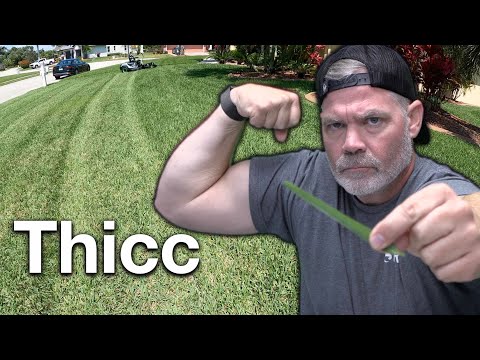
Quick Answer: Spring lawn care in Florida begins in February-March when warm-season grasses like St. Augustine and Bermuda emerge from winter dormancy. Focus on early fertilization, pre-emergent herbicide application, and resuming regular mowing schedules based on your specific hardiness zone (8a-11a).
Key Takeaways
- Apply pre-emergent herbicides in February (South Florida) to March (North Florida) to prevent crabgrass
- Begin fertilizing warm-season grasses in March when soil temperatures reach 65°F consistently
- Resume regular mowing in February-March as grass begins active growth
- Monitor for chinch bugs and sod webworms as temperatures warm
- Adjust timing based on your specific zone: earlier in 9b-11a, later in 8a-8b
Spring marks the awakening of Florida's warm-season grasses after the brief winter dormancy period. With the state's subtropical to tropical climate and high humidity, spring lawn care in Florida requires specific timing and techniques different from northern states[1].
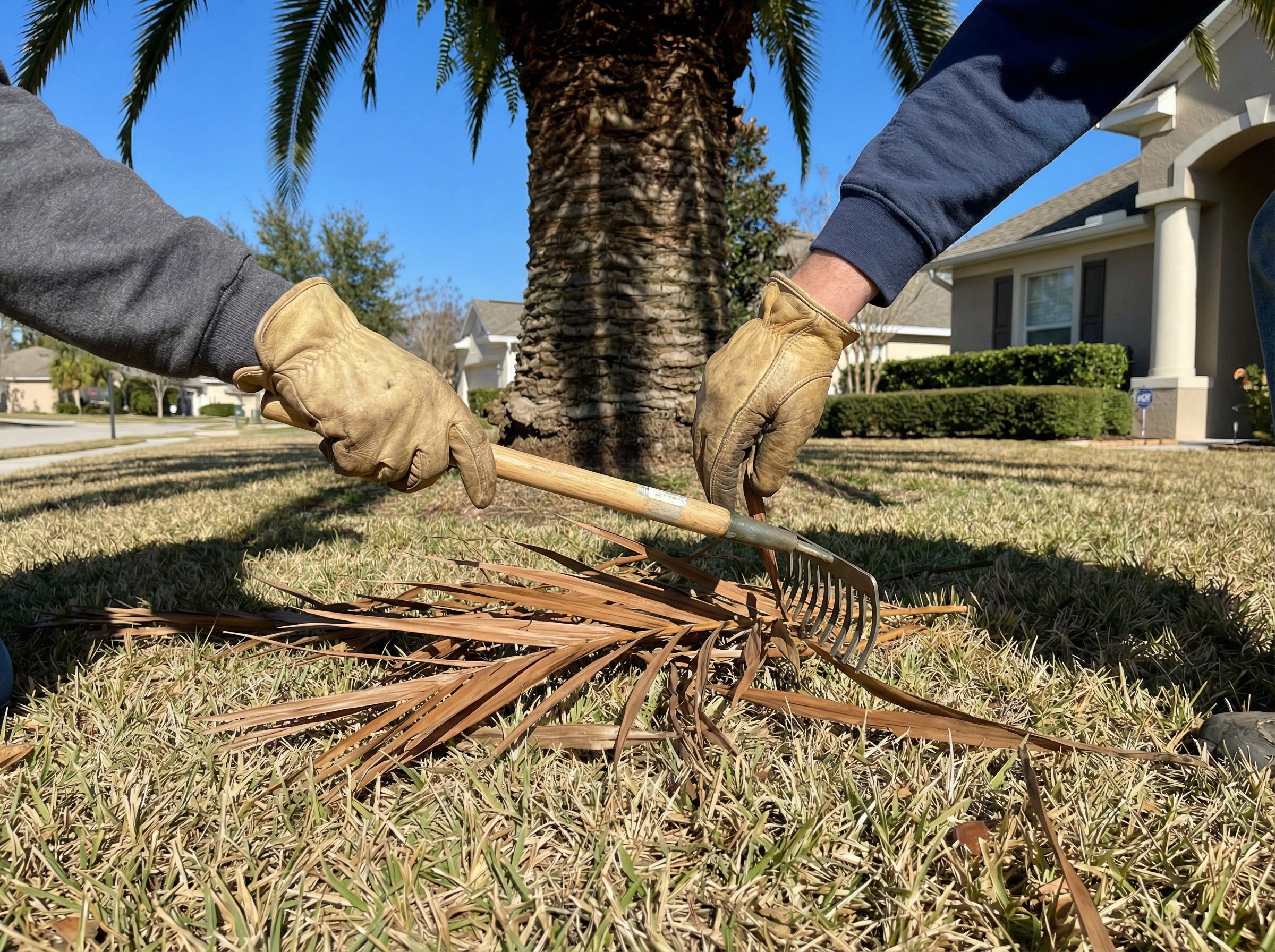
When Should I Start Spring Lawn Care in Florida?
The timing of spring lawn care in Florida depends heavily on your hardiness zone[1]. In South Florida (zones 9b-11a), warm-season grasses may never fully go dormant, making February the ideal time to begin spring treatments[2]. North Florida homeowners in zones 8a-8b should wait until March when the risk of late frost passes.
Soil temperature is the key indicator - begin active lawn care when soil temperatures consistently reach 65°F[3]. St. Augustinegrass, Florida's most popular turfgrass, begins active growth at this temperature threshold. Bermudagrass and Zoysiagrass follow similar patterns, while Bahiagrass may start slightly later[1].
The UF/IFAS Extension recommends monitoring nighttime air temperatures as well - when they consistently stay above 60°F for several nights, it's safe to begin spring lawn care activities[1].
What Spring Treatments Does My Florida Lawn Need?
Florida's warm, humid climate creates perfect conditions for both grass growth and pest/weed pressure. Your spring treatment program should address three critical areas: fertilization, weed prevention, and pest monitoring[4].
Pre-emergent Herbicide Application Apply pre-emergent herbicides before soil temperatures reach 70°F to prevent crabgrass germination[2]. In Florida, this means February application in zones 10-11a and March application in zones 8a-9a. Look for products containing atrazine or simazine, which work well on St. Augustinegrass[1].
Spring Fertilization Schedule Begin fertilizing warm-season grasses in March using a balanced fertilizer with slow-release nitrogen[4][5]. Florida's sandy soils drain quickly, making slow-release formulations essential for consistent nutrition. Apply 0.5-1 pound of nitrogen per 1,000 square feet for the first spring application[1].
Pest Monitoring and Prevention As temperatures warm, begin monitoring for chinch bugs in St. Augustinegrass and sod webworms across all grass types[2]. These pests become active when soil temperatures exceed 70°F. Early detection prevents major damage during Florida's growing season.
How Should I Adjust Mowing for Spring in Florida?
Resume regular mowing in February-March when grass begins showing new green growth[1]. Florida's year-round growing season means mowing schedules are less dramatic than northern states, but spring adjustments are still important.
Set your mower height according to grass type: St. Augustinegrass should be maintained at 3-4 inches, Bermudagrass at 1-2 inches, and Zoysiagrass at 2-3 inches[3][6]. Higher mowing heights help grass compete with weeds and tolerate Florida's intense summer heat.
For the first spring mowing, remove no more than one-third of the grass blade length. This prevents shock to grass emerging from winter dormancy[2]. Sharpen mower blades before the growing season begins - Florida's humidity makes clean cuts essential for preventing disease[4].
Mow when grass is dry to prevent clumping and disease spread. With Florida's frequent spring rains and high humidity, this often means mowing in late morning or early afternoon[1].
What Diseases Should I Watch for in Spring?
Florida's warm, humid spring conditions favor several turfgrass diseases that require early attention. Large patch disease affects St. Augustinegrass and Zoysiagrass when soil temperatures are between 65-80°F - exactly spring conditions in Florida[2].
Gray leaf spot becomes problematic on St. Augustinegrass during humid spring weather, especially with over-fertilization[1]. Avoid high-nitrogen fertilizers in spring if gray leaf spot has been a problem.
Dollar spot affects Bermudagrass and Zoysiagrass during cool, wet spring mornings followed by warm days[6]. Improve air circulation by pruning nearby shrubs and ensure proper drainage in problem areas.
Pythium blight can devastate newly seeded areas during Florida's humid spring weather[2]. If overseeding winter ryegrass areas in spring, ensure excellent drainage and avoid overwatering.
Preparing Your Florida Lawn for Summer Success
Spring lawn care in Florida sets the foundation for surviving the intense summer heat and humidity ahead. Focus on building strong root systems through proper fertilization and appropriate watering practices[5]. Deep, infrequent watering encourages deeper root growth that will help your lawn weather summer stress.
Consider soil testing through your local UF/IFAS Extension office to identify any pH or nutrient deficiencies before the growing season intensifies[1]. Florida's sandy soils often need amendments, and spring is the ideal time to make corrections[3].
With proper spring care tailored to Florida's unique climate and grass types, your warm-season lawn will thrive through the challenging summer months ahead.
Sources
- UF/IFAS Extension - Florida Lawn Handbook and Turfgrass Management Guidelines
2. Clemson Cooperative Extension - Southeastern Turfgrass Disease Management
3. USDA Natural Resources Conservation Service - Soil Temperature Guidelines and Plant Hardiness Zones
4. Pennington Seed - Professional Lawn Care Research and Fertilization Programs
5. Scotts Miracle-Gro - Warm Season Grass Nutrition and Care Guidelines
6. LSU AgCenter - Southern Turfgrass Mowing Height and Disease Prevention