
Quick Answer: The best grass types for Florida are St. Augustinegrass, Bahiagrass, Zoysiagrass, and Bermudagrass, all warm-season varieties that thrive in Florida's USDA hardiness zones 8a-11a[1]. Your choice depends on your specific location, maintenance preferences, and tolerance for common Florida pests like chinch bugs and diseases like large patch.
Key Takeaways
- St. Augustinegrass is Florida's most popular choice due to its shade tolerance and thick, lush appearance
- Bahiagrass offers excellent drought tolerance and low maintenance requirements for Florida homeowners
- Northern Florida residents (zones 8a-9a) have more grass options, including Centipedegrass
- Coastal areas benefit from salt-tolerant varieties like Seashore Paspalum
- All Florida grass types are warm-season and grow actively from March through October
Florida's subtropical to tropical climate, with its high humidity, variable rainfall patterns, and year-round warmth, creates unique challenges for lawn care[1]. The state's diverse climate zones, from 8a in the north to 11a in the south, mean different grass varieties perform better in different regions.
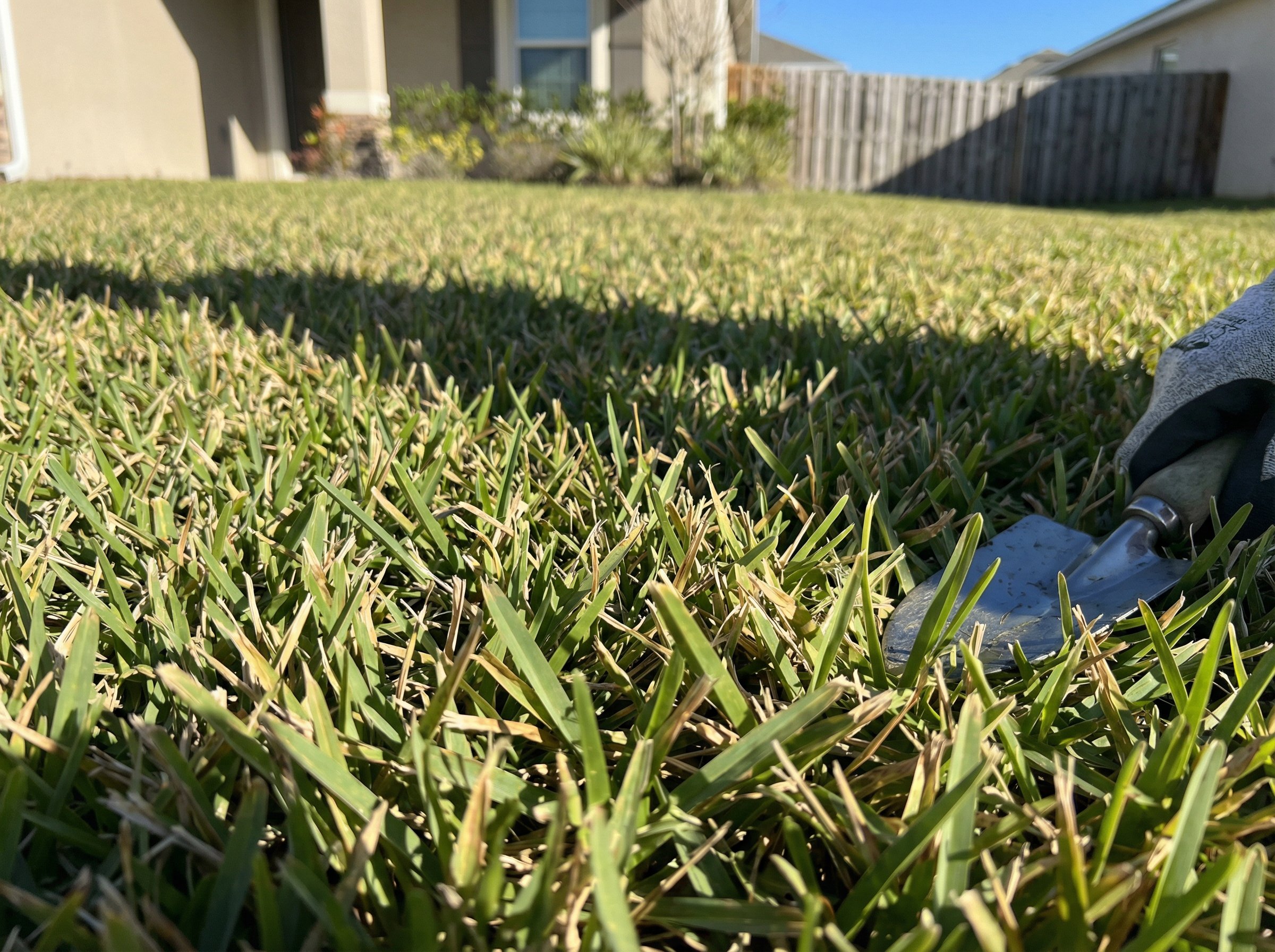
What Grass Grows Best in Florida's Climate?
St. Augustinegrass dominates Florida lawns for good reason. This warm-season grass thrives in Florida's high humidity and handles the state's intense summer heat exceptionally well[1]. Popular varieties include Floratam, which offers excellent chinch bug resistance, and Palmetto, known for its improved cold tolerance in northern Florida[2].
Bahiagrass serves as Florida's workhorse grass, particularly in rural and low-maintenance areas. Originally from South America, it's perfectly adapted to Florida's sandy soils and requires minimal fertilization[1]. While not as aesthetically pleasing as St. Augustine, Bahiagrass handles drought, poor soil, and neglect better than any other Florida grass type.
Zoysiagrass provides a premium lawn option for Florida homeowners willing to invest in maintenance. Empire and Jamur varieties perform particularly well in Florida's climate, offering dense, carpet-like coverage that naturally resists weeds[3].
How Do I Choose Between Florida Grass Varieties?
Consider your maintenance commitment first. St. Augustinegrass requires regular fertilization from March through October and frequent monitoring for chinch bugs and gray leaf spot disease[1]. Bahiagrass needs minimal care but produces seed heads that require more frequent mowing during summer months.
Evaluate your yard's sun exposure carefully. St. Augustinegrass tolerates shade better than other warm-season grasses, making it ideal for yards with trees or buildings creating partial shade[4]. Bermudagrass demands full sun and struggles in shaded areas common in established Florida neighborhoods.
Assess your location within Florida's climate zones. Northern Florida homeowners in zones 8a-9a can grow Centipedegrass, which offers low maintenance and good cold tolerance[1]. Coastal residents should consider Seashore Paspalum for its exceptional salt tolerance, crucial for properties near the ocean.
When Should I Plant Best Grass Types for Florida?
Plant warm-season grasses during Florida's optimal growing season from late spring through early fall. The best planting window runs from May through August, when soil temperatures consistently stay above 70°F and summer rains support establishment[1][5].
Sod installation can occur year-round in central and south Florida but should be avoided during dormancy periods in north Florida. Spring installation allows grass to establish before summer stress, while early fall planting takes advantage of warm soil and reduced pest pressure[2].
Seed establishment works best for Bahiagrass and some Bermudagrass varieties. Plant seeds in late spring (April-May) or early fall (September-October) for optimal germination rates in Florida's warm climate[6].
What Maintenance Do Florida Grasses Require?
Florida grasses need consistent fertilization during their active growing season. Apply fertilizer monthly from March through October, following UF/IFAS Extension recommendations for your specific grass type[1]. Avoid fertilizing during winter months when grass growth naturally slows.
Water management proves critical in Florida's variable rainfall environment. Most established Florida grasses need only 0.5-0.75 inches of water weekly, including natural rainfall[1]. Overwatering encourages fungal diseases like large patch and take-all root rot, common problems in Florida's humid climate.
Pest monitoring requires year-round attention in Florida. Chinch bugs attack St. Augustinegrass during hot, dry periods, while sod webworms and mole crickets cause damage throughout the growing season[1][3]. Regular inspection helps catch problems early when treatments prove most effective.
Conclusion
Choosing the right grass for your Florida lawn depends on balancing your aesthetic preferences, maintenance commitment, and local growing conditions. St. Augustinegrass offers the best combination of beauty and adaptability for most Florida homeowners, while Bahiagrass provides unmatched durability for low-maintenance situations. Consider your specific location within Florida's climate zones and consult with local extension agents for personalized recommendations based on your property's unique conditions.
Sources
- University of Florida IFAS Extension - Florida Lawn Care and Turfgrass Management
2. The Toro Company - Professional Turfgrass Research and Development
3. Pennington Seed - Warm Season Grass Research and Cultivation
4. North Carolina State Extension - Shade Tolerant Turfgrass Studies
5. USDA Natural Resources Conservation Service - Plant Materials and Climate Data
6. Professional Landcare Network - Turfgrass Installation Best Practices