
Quick Answer
Fall lawn care in California focuses on preparing warm-season grasses like Bermudagrass for dormancy while actively caring for cool-season grasses like tall fescue and Kentucky bluegrass during their peak growing season. September through October is the optimal time for overseeding cool-season lawns, aerating, and adjusting irrigation schedules across California's diverse climate zones 5a-11a.
Key Takeaways
- Cool-season grasses (fescue, bluegrass) thrive in fall and require active fertilization through October
- Warm-season grasses (Bermudagrass, St. Augustine) begin slowing growth and need reduced nitrogen
- September-October is prime time for overseeding and aerating cool-season lawns in California
- Adjust watering schedules as temperatures drop and California's dry season transitions
- Fall pre-emergent applications help prevent winter weeds like annual bluegrass
Introduction
Implementing proper fall lawn care in California requires understanding the state's diverse climate zones and unique seasonal transitions. California's diverse climate zones create unique challenges, from coastal Mediterranean conditions to hot inland valleys and mountain regions[1]. Unlike other states with dramatic seasonal changes, California homeowners must navigate the needs of both warm and cool-season grasses as they respond differently to the state's mild fall temperatures and reduced daylight hours[2]. Success depends on understanding your specific grass type and local microclimate within California's vast hardiness zones.
What Should I Do with My Grass Type This Fall in California?
Cool-Season Fall Lawn Care in California (Tall Fescue, Kentucky Bluegrass)
Cool-season grasses experience their second peak growing period during California's fall months. These grasses thrive when daytime temperatures range between 60-75°F, making September through November ideal for active care[3].
Fertilize cool-season lawns with a balanced fertilizer in early September, followed by a second application in October. This timing supports root development before winter and ensures vigorous spring growth[4]. Apply 1 pound of nitrogen per 1,000 square feet during each application.
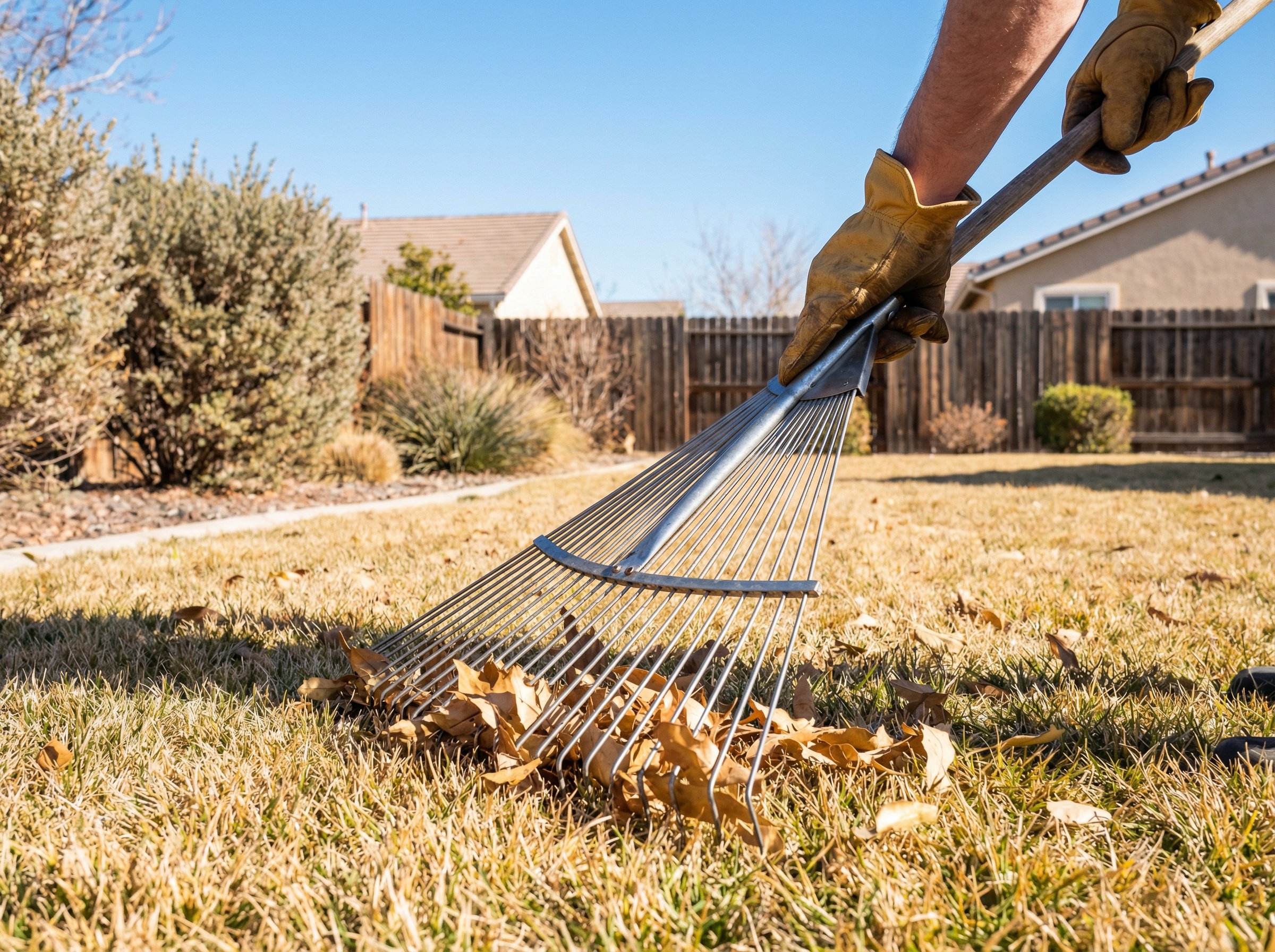
Overseeding damaged or thin areas works best from mid-September through October when soil temperatures remain warm but air temperatures begin cooling[1]. Prepare the soil by lightly raking, apply seed at recommended rates, and maintain consistent moisture for 14-21 days until germination occurs.
Warm-Season Grass Care (Bermudagrass, St. Augustine)
Warm-season grasses begin their transition toward dormancy as California's fall progresses. Stop fertilizing these grasses by early September to avoid stimulating tender growth susceptible to cold damage[5].
Continue regular watering but reduce frequency as growth slows[6]. Bermudagrass and St. Augustine will gradually yellow and brown in inland areas where temperatures drop below 50°F regularly, though coastal regions may see minimal dormancy.
Avoid overseeding warm-season grasses in fall, as cool temperatures prevent proper germination and establishment.
How Should I Adjust My California Fall Lawn Care Watering Schedule?
California's fall watering requirements differ significantly from summer's intense irrigation needs. As temperatures drop and daylight hours decrease, grass water consumption decreases by 30-50% compared to peak summer months[7].
Reduce irrigation frequency but maintain deep watering sessions to encourage continued root growth. Most California lawns need 1-1.5 inches of water weekly during fall, compared to 2+ inches during summer heat[8].
Monitor soil moisture with a simple screwdriver test—it should penetrate 6-8 inches into moist soil. Coastal areas with natural fog may require even less supplemental irrigation, while inland valleys and desert regions need consistent moisture through October[1].
Adjust automatic sprinkler timers monthly as conditions change. Early fall may still require every-other-day watering, while late November may need only twice-weekly applications in most California regions.
What Maintenance Tasks Are Critical This Fall?
Aeration and Soil Care
September through October provides the ideal window for aerating cool-season lawns in California. Core aeration relieves soil compaction common in California's clay soils and improves water infiltration during the rainy season[2].
Aerate when soil contains adequate moisture but isn't waterlogged[9]. Remove cores 2-3 inches deep and space holes 4-6 inches apart across the entire lawn area.
Topdress with quality compost after aerating to improve soil structure and provide slow-release nutrients. Apply a thin ¼-inch layer and work it into aeration holes with a rake.
Weed Prevention
Apply pre-emergent herbicide in late September or early October to prevent winter weeds like annual bluegrass, oxalis, and spurge from establishing[3]. These weeds germinate when soil temperatures drop below 70°F, typically occurring in October across most California regions.
Spot-treat existing broadleaf weeds while they're actively growing. Fall applications prove more effective than spring treatments as weeds store energy in roots before winter[5].
Pest and Disease Management
Monitor for fall pest activity, particularly white grubs and sod webworms that remain active through October in California[10]. Apply appropriate treatments if damage appears, focusing on affected areas rather than broadcast applications.
Watch for brown patch and dollar spot diseases that thrive in California's mild, humid fall conditions[11]. Improve air circulation by pruning nearby shrubs and avoid evening watering to reduce disease pressure.
Conclusion
Successful fall lawn care in California requires understanding your grass type and local climate conditions within the state's diverse zones. Focus your efforts on supporting cool-season grasses during their peak growing period while allowing warm-season varieties to naturally transition toward dormancy. Adjust irrigation schedules gradually, complete essential maintenance like aeration and overseeding during optimal windows, and implement preventive measures against weeds and pests. These targeted fall practices will ensure your California lawn emerges healthy and vigorous when growing conditions improve in spring.
Sources
- UC Agriculture and Natural Resources - California lawn and landscape management guidelines
2. UC Davis Cooperative Extension - Turfgrass management for California climates
3. Colorado State University Extension - Cool-season turfgrass care and fertilization
4. Texas A&M AgriLife Extension - Nutrient management for turfgrass systems
5. Scotts Miracle-Gro - Professional lawn care research and guidelines
6. Pennington Seed - Warm-season grass dormancy and care
7. Irrigation Association - Fall irrigation scheduling for western climates
8. USDA Natural Resources Conservation Service - Water management for turfgrass systems
9. Oregon State University Extension - Lawn aeration and soil improvement techniques
10. University of Arizona Cooperative Extension - Integrated pest management for lawns
11. Professional Landcare Network - Turfgrass disease prevention and management