Quick Answer
California lawns face unique challenges due to diverse climate zones (5a-11a), including drought stress, white grubs, brown patch disease, and invasive weeds like crabgrass and oxalis. The state's Mediterranean coastal areas, hot inland valleys, and desert regions each present specific problems for popular grass types like Bermudagrass, tall fescue, and Kentucky bluegrass.
Key Takeaways
- Drought stress affects all California grass types, but warm-season grasses like Bermudagrass are more resilient
- White grubs and sod webworms are the most destructive pests across California's varied climate zones
- Brown patch and dollar spot diseases thrive in California's moderate humidity and temperature fluctuations
- Crabgrass prevention requires February-March pre-emergent applications before soil temperatures reach 55°F
- Water restrictions and the state's 22-inch average rainfall make drought-tolerant grass selection critical
Introduction
California's dramatic climate variations—from Mediterranean coastlines to scorching Central Valley summers—create a perfect storm of lawn care challenges. With USDA hardiness zones spanning 5a through 11a, homeowners must navigate everything from frost damage in mountain regions to heat stress in inland valleys, all while managing water conservation requirements[1].
What Are the Most Common Pest Problems in California Lawns?
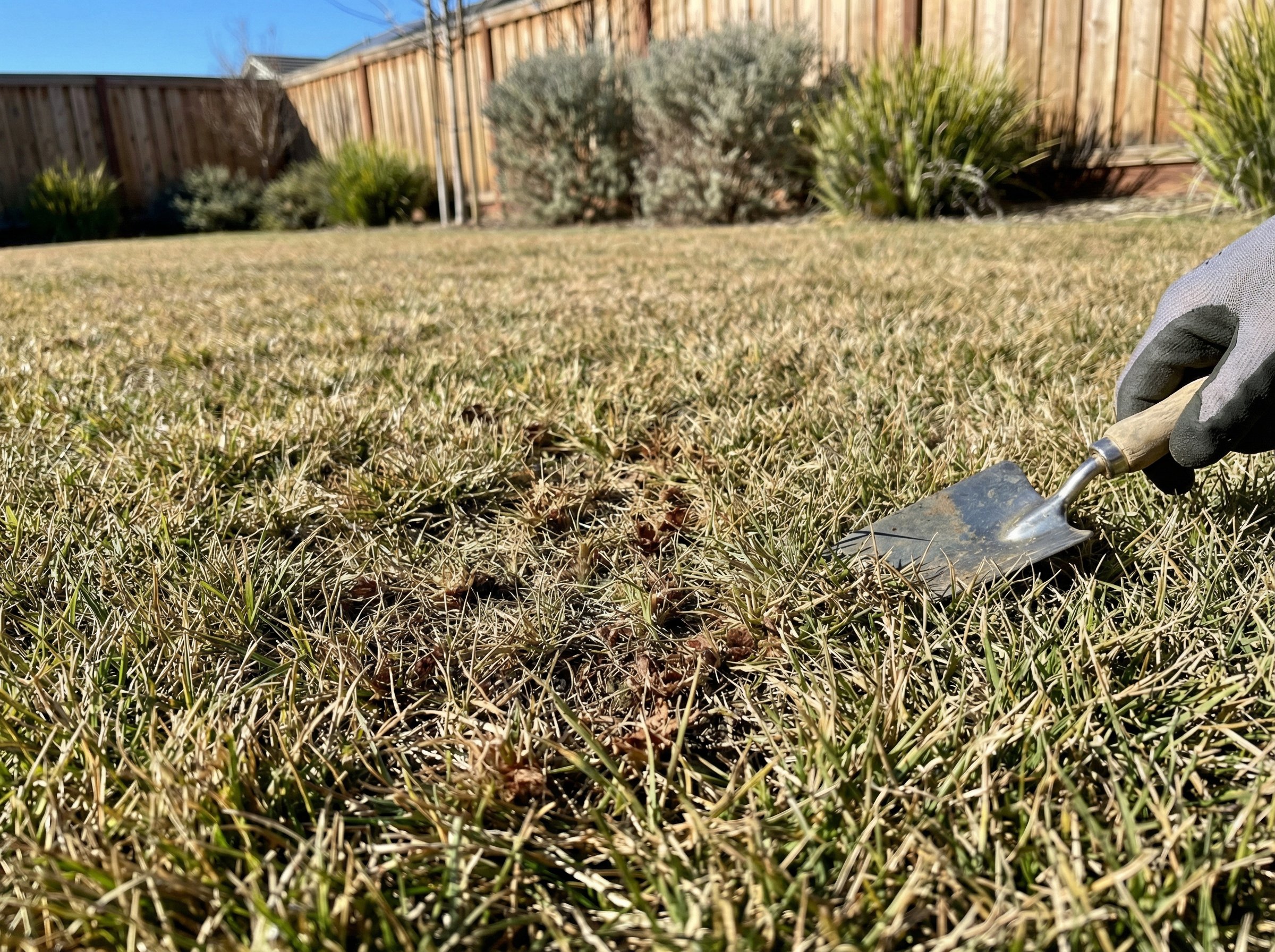
White grubs top the list of California's most destructive lawn pests, with their peak damage occurring from July through September when adult beetles lay eggs[2]. These C-shaped larvae feed on grass roots, creating brown patches that easily pull away from the soil.
Sod webworms present another major threat, particularly to tall fescue and Kentucky bluegrass lawns during California's warm months. These caterpillars create irregular brown spots and are most active during evening hours[1].
Billbugs specifically target Bermudagrass and zoysiagrass, creating hollow grass stems and yellowing patches. The adult weevils are most problematic from April through June, coinciding with California's spring growing season.
Crane fly larvae, known as "leatherjackets," damage cool-season grasses during California's mild winters when the pests remain active. Unlike other states where cold temperatures provide natural pest control, California's moderate winter temperatures allow continued feeding.
To combat these pests, apply beneficial nematodes during soil temperatures between 55-85°F, which occurs from March through May and September through October in most California regions[3].
Which Diseases Affect California Grass Types Most?
Brown patch disease thrives in California's moderate humidity and temperature swings, particularly affecting tall fescue and St. Augustinegrass during late spring and early fall[4]. The disease creates circular brown patches 6 inches to several feet in diameter, with a distinctive dark ring border.
Dollar spot appears as small, silver-dollar-sized brown patches and commonly affects Kentucky bluegrass and Bermudagrass during California's dry periods with cool nights and warm days. This disease intensifies when nitrogen levels are low, making proper fertilization crucial.
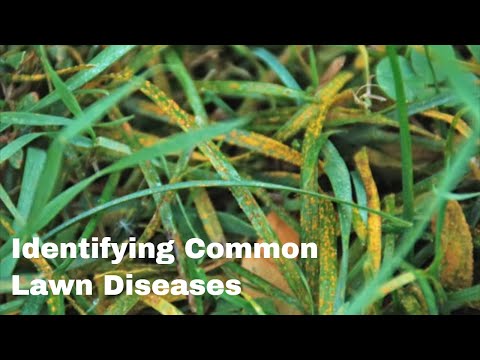
Rust disease creates an orange, powdery coating on grass blades and particularly affects tall fescue during California's transition seasons. The state's temperature fluctuations between 68-86°F provide ideal conditions for rust development[1].
Fusarium patch, also called "pink snow mold," affects cool-season grasses during California's mild, wet winters. Unlike traditional snow mold in colder states, California's version develops during prolonged moisture periods without snow cover.
Prevent disease by watering early morning (6-10 AM) to allow grass blades to dry before evening, and ensure proper air circulation through regular dethatching in September-October[5].
How Do I Control California's Most Persistent Weeds?
Crabgrass dominates California's weed problems, germinating when soil temperatures consistently reach 55°F—typically February through March in coastal areas and March through April inland[6]. Apply pre-emergent herbicide containing pendimethalin or prodiamine before this temperature threshold.
Bermudagrass becomes a persistent weed when it invades tall fescue or Kentucky bluegrass lawns. Its aggressive spreading through stolons and rhizomes makes it particularly problematic in California's warm climate zones 9a-11a.
Oxalis (wood sorrel) thrives in California's acidic soils and moderate temperatures, producing heart-shaped leaves and yellow flowers. This perennial weed spreads rapidly through both seeds and underground bulbs.
Spurge creates low-growing mats that crowd out desirable grasses, particularly in stressed lawn areas common during California's dry summers. The weed's waxy coating makes it resistant to many herbicides.
Annual bluegrass (Poa annua) germinates during California's cool season and creates unsightly clumps that die back during summer heat, leaving bare spots.
Manage weeds through dense, healthy turf maintenance combined with targeted herbicide applications during California's optimal growing windows: March-May for cool-season grasses and May-September for warm-season varieties[1].
What Causes Drought Stress in Different California Regions?
California's 22-inch average annual rainfall, combined with frequent water restrictions, creates widespread drought stress across all grass types[4]. However, the impact varies significantly by region and grass selection.
Coastal areas with Mediterranean climates experience less severe drought stress due to marine layer moisture and cooler temperatures. Tall fescue and fine fescue perform better in these zones (9b-10a) with minimal irrigation.
Inland valleys, including the Central Valley, face extreme heat stress with summer temperatures regularly exceeding 100°F. Warm-season grasses like Bermudagrass and UC Verde buffalograss provide better drought tolerance in zones 9a-10b.
Desert regions of Southern California require drought-tolerant species like buffalograss, which remains green with 60% less water than traditional cool-season grasses[3].
Mountain areas (zones 5a-7a) face different challenges with shorter growing seasons and potential frost damage, making cold-tolerant tall fescue varieties the preferred choice.
Implement deep, infrequent watering schedules—typically 1-2 times per week providing 1-1.5 inches total water—to encourage deep root development and drought resilience.
Conclusion
Successful California lawn care requires understanding your specific climate zone and selecting appropriate grass types for local conditions. Focus on prevention through proper timing of pre-emergent applications in February-March, choose drought-tolerant varieties suited to your region, and maintain healthy, dense turf through zone-appropriate fertilization schedules. UC Agriculture and Natural Resources provides ongoing research and recommendations specific to California's unique growing conditions, making it an essential resource for homeowners facing these common lawn challenges.
Sources
- UC Agriculture and Natural Resources - California lawn care and pest management guidelines
2. Colorado State University Extension - White grub identification and control methods
3. Texas A&M AgriLife Extension - Drought-tolerant turfgrass research
4. USDA Natural Resources Conservation Service - Regional climate and precipitation data
5. University of Arizona Cooperative Extension - Turfgrass disease management in arid climates
6. Oregon State University Extension - Pacific Coast weed identification and control