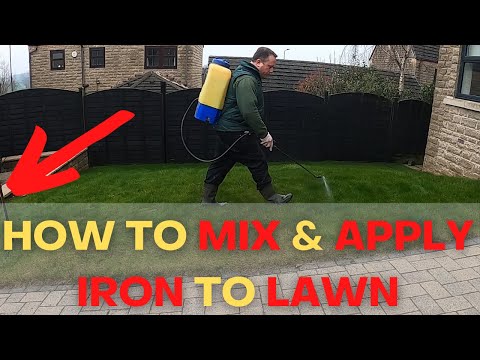
Quick Answer: Apply iron to your lawn during the active growing seasons - late spring through early fall (May through September). The best timing is when grass is actively growing, soil temperature is above 55°F, and you can water regularly for 2-3 weeks after application.
Key Takeaways:
- Apply iron during active growing seasons (May-September) when soil temperature exceeds 55°F
- Avoid application during dormant periods, drought stress, or extreme heat above 85°F
- Iron works fastest on slightly acidic soil (pH 6.0-6.8) with adequate moisture
- Cool-season grasses respond best to spring and fall applications, warm-season grasses prefer late spring through summer
- Wait 2-4 weeks between iron applications to avoid over-application
Iron deficiency shows up as yellowing grass with green veins - a condition called iron chlorosis that makes even well-fertilized lawns look pale and unhealthy[1]. If you want to learn how to get a dark green lawn, iron is one of three key strategies. Understanding when to apply iron can transform your lawn from lackluster to luxuriously green, but timing makes all the difference between success and wasted effort.
What's the Best Season for Iron Application?
The optimal timing depends on your grass type and local climate. Cool-season grasses like fescue, bluegrass, and ryegrass respond best to iron applications in late spring (May) and early fall (September-October) when they're actively growing[2]. These periods coincide with cooler temperatures and natural growth spurts.
Warm-season grasses including Bermuda, Zoysia, and St. Augustine perform best with iron applications from late spring through summer (May-August)[3]. These grasses are most active during warmer months and can quickly utilize the iron for chlorophyll production.
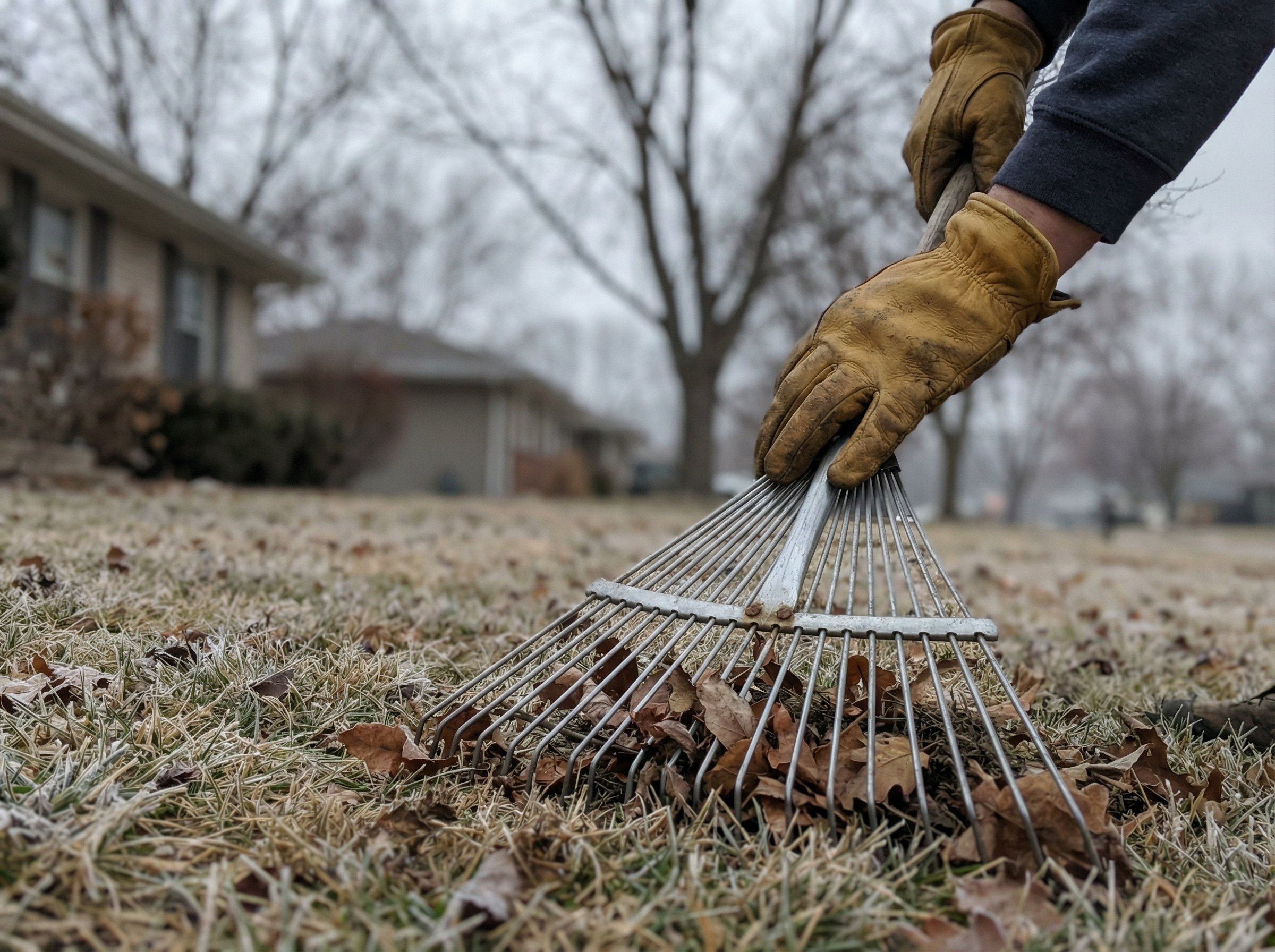
Avoid winter applications entirely, as dormant grass cannot absorb nutrients effectively. Similarly, skip applications during peak summer stress periods when temperatures consistently exceed 85°F, as stressed grass may not respond well to treatments[1].
How Do I Know My Lawn Needs Iron?
Iron deficiency creates distinctive symptoms that are easy to identify once you know what to look for. Grass blades develop interveinal chlorosis - yellowing between the veins while the veins themselves remain green, creating a striped appearance[4].
Unlike nitrogen deficiency, which causes overall yellowing, iron deficiency typically starts with newer growth and upper leaf portions. Your lawn may also show poor color despite adequate fertilization, slow recovery from stress, and reduced density in affected areas.
Soil pH plays a crucial role in iron availability. Alkaline soils (pH above 7.0) bind iron, making it unavailable to grass roots even when present in adequate quantities[2]. Testing your lawn soil before applying iron - if it's above 7.0, consider sulfur applications to lower pH alongside iron treatments.
What Conditions Should I Avoid for Iron Application?
Timing your iron application around weather and lawn conditions significantly impacts effectiveness. Never apply iron to drought-stressed lawns, as dry soil prevents proper absorption and may concentrate iron salts around roots[3].
Avoid applications immediately before heavy rain forecasts, which can wash away surface-applied iron before absorption occurs. However, light watering after application helps move iron into the root zone where it's needed.
Skip iron applications on newly seeded lawns for at least 6-8 weeks after germination. Young grass roots are sensitive to concentrated nutrients and need time to establish before handling iron supplements[4].
Temperature extremes also reduce iron effectiveness. Applications during heat waves (above 85°F) can stress grass further, while cold soil temperatures (below 55°F) slow absorption and metabolism[1].
How Often Should I Apply Iron to My Lawn?
Most lawns benefit from 2-3 iron applications per growing season, spaced 4-6 weeks apart during active growth periods[2]. Coordinate iron treatments with your regular fertilization schedule — see how often to fertilize your lawn for timing guidance. Start with a soil test to determine actual iron levels and pH, which guides application frequency and rates.
Granular iron products typically last 6-8 weeks in soil, while liquid applications provide quicker results but may need more frequent reapplication every 3-4 weeks during peak growing season[3].
Monitor your lawn's response after each application. Healthy grass should show improved green color within 7-14 days of liquid iron application, or 2-3 weeks for granular products. If color doesn't improve after two properly timed applications, investigate soil pH issues or consider professional soil analysis.
Over-application can damage grass and stain concrete surfaces, so always follow product label rates and timing recommendations[4].
Conclusion
Successful iron application depends on timing it during your grass's active growing season when soil conditions support absorption. For most homeowners, late spring applications (May) provide excellent results, with optional follow-up treatments in early fall for cool-season grasses or mid-summer for warm-season varieties. Always ensure adequate soil moisture, avoid extreme temperatures, and test soil pH for optimal results. Start with a single application and monitor your lawn's response before planning additional treatments.
Sources
- Penn State Extension - Turfgrass nutrient management and iron deficiency identification
- University of Minnesota Extension - Lawn fertilization timing and micronutrient applications
- Texas A&M AgriLife Extension - Warm-season turfgrass iron requirements and application timing
- Scotts Professional - Iron fertilizer research and best practices for lawn care