Quick Answer
Spring lawn prep involves cleaning up debris, dethatching compacted areas, applying pre-emergent herbicide, fertilizing with nitrogen-rich fertilizer, and overseeding thin spots[1]. Start these tasks when soil temperature reaches 50°F consistently and after the last frost date in your area.
Key Takeaways
- Begin spring prep when soil temperatures consistently reach 50°F
- Dethatch and aerate compacted areas before fertilizing
- Apply pre-emergent herbicide before weeds germinate
- Use slow-release nitrogen fertilizer for steady spring growth
- Overseed thin areas early in the season for best establishment
Spring marks the perfect time to set your lawn up for a year of healthy, vibrant growth. After months of winter dormancy, your grass is ready to bounce back with the right spring lawn prep approach and care[2]. For a broader overview of seasonal tasks, see our essential spring lawn care tips.
Essential Spring Lawn Prep Cleanup Tasks
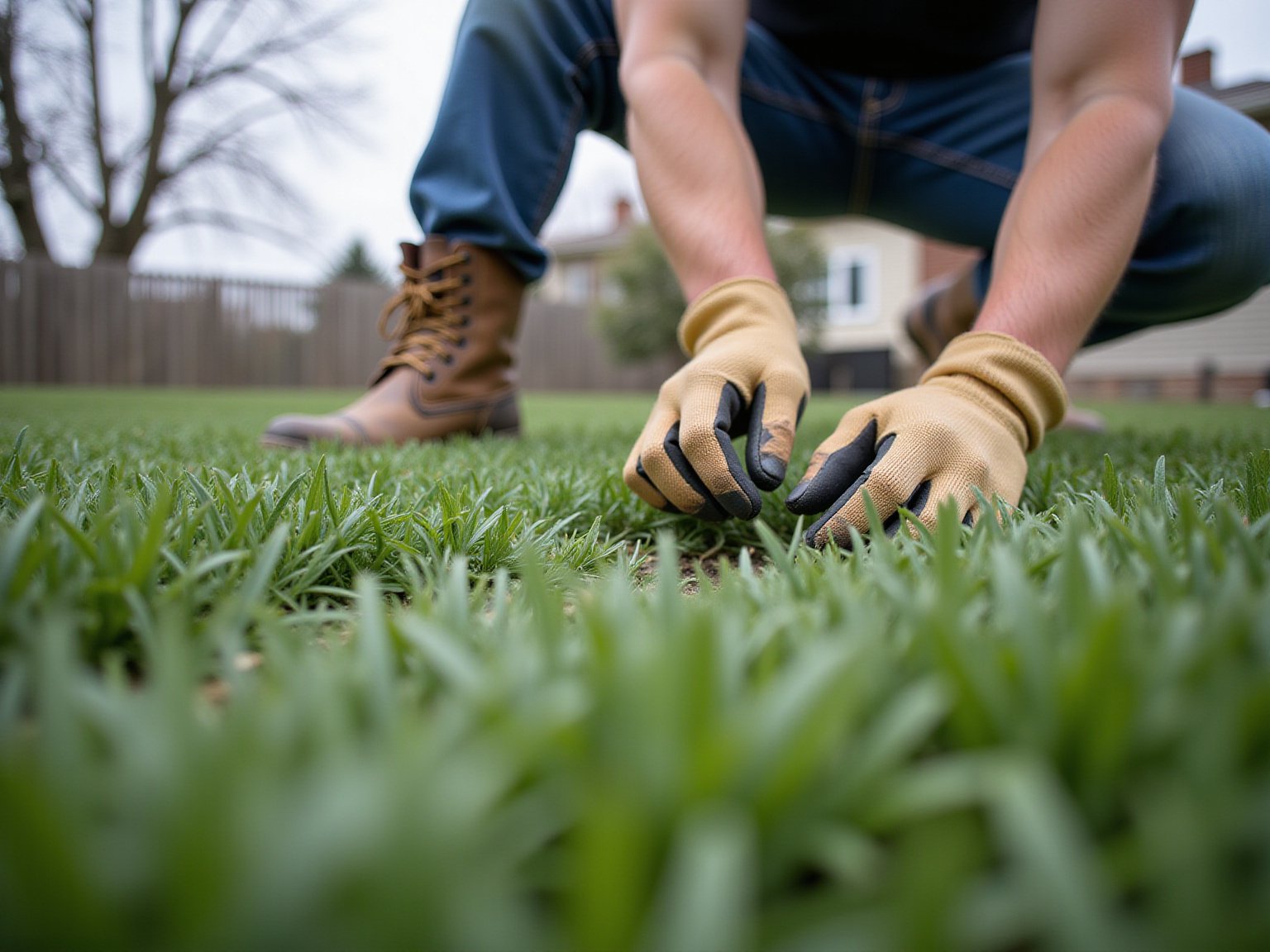
Start your spring lawn preparation with thorough cleanup to remove winter damage and debris. Rake up fallen branches, leaves, and any remaining snow mold patches[3]. Clear away accumulated thatch - the layer of dead grass between soil and green blades.
Inspect your lawn for winter damage including bare spots and compacted areas from snow removal equipment. Document problem areas that will need specific attention during your routine[4].
Check your lawn equipment before starting major tasks. Sharpen mower blades, clean spreaders, and ensure sprinkler systems are functioning properly after winter storage.
Step-by-Step Spring Lawn Prep Process
Week 1-2: Soil Preparation
Test your soil pH using a digital meter or test strips. Most grasses thrive in soil with pH between 6.0-7.0[5]. Apply lime if pH is below 6.0 or sulfur if above 7.5.
Dethatch areas where the thatch layer exceeds ½ inch thickness. Use a dethatching rake for small areas or rent a power dethatcher for larger lawns[6].
Follow up by aerating compacted soil using a core aerator. Focus on high-traffic areas where foot traffic has compressed the soil[7]. Our guide on how to aerate your lawn walks through the full process step by step.
Week 3-4: Weed Prevention and Fertilizing
Apply pre-emergent herbicide when soil temperatures reach 50-55°F consistently. This timing typically occurs 2-4 weeks before the average last frost[8]. For precise timing by region, read when to apply crabgrass preventer.
Spread slow-release nitrogen fertilizer using a broadcast spreader. Apply 1 pound of nitrogen per 1,000 square feet for cool-season grasses, or 0.5 pounds for warm-season varieties[9]. See our spring lawn fertilization tips for more on choosing the right product.
Water lightly after application to activate the fertilizer and prevent burning.
Week 5-6: Seeding and Final Prep
Overseed thin areas with grass seed appropriate for your region and sun conditions. Rake soil lightly, spread seed evenly, and cover with a thin layer of starter fertilizer or compost[10].
Keep newly seeded areas consistently moist but not waterlogged. Germination typically occurs within 7-14 days depending on grass type and weather conditions[11].
Timing Your Spring Lawn Care
Timing varies significantly based on your geographic location and local climate patterns. Cool-season grass regions (northern states) should begin prep in early to mid-March. Warm-season areas (southern states) can start in late February[12].
Monitor soil temperature rather than air temperature for accurate timing. Use a soil thermometer inserted 2-4 inches deep, checking at the same time daily for consistent readings.
Avoid working on wet soil, which can cause compaction and damage grass roots. Wait until soil crumbles in your hand rather than forming mud balls when squeezed.
Common Spring Prep Mistakes to Avoid
Don't rush the process by starting too early when soil is still frozen or waterlogged. Working on wet soil creates more problems than it solves, leading to compaction and poor root development.
Avoid over-fertilizing in spring, which encourages excessive top growth at the expense of root development. Stick to recommended application rates and choose slow-release formulations over quick-release options.
Never apply pre-emergent herbicide and grass seed simultaneously. The herbicide will prevent new grass from germinating along with weeds.
Conclusion
Successful spring lawn preparation sets the foundation for year-round lawn health and beauty. Start with thorough cleanup and soil preparation, then progress through strategic fertilizing and seeding.
Remember that proper timing based on soil temperature, not calendar dates, ensures the best results for your specific region. Take action now by testing your soil and gathering necessary supplies - your lawn will reward you with lush, healthy growth throughout the growing season.
Sources
- Purdue Extension - Comprehensive lawn care and spring maintenance guidelines
2. University of Georgia Extension - Turfgrass establishment and seasonal care practices
3. Iowa State Extension - Winter damage assessment and spring recovery techniques
4. University of Wisconsin Extension - Lawn inspection and problem identification methods
5. North Carolina State Extension - Soil pH testing and amendment recommendations
6. Pennington Seed - Professional dethatching and aeration research
7. University of Maryland Extension - Soil compaction and aeration best practices
8. Scotts Miracle-Gro - Pre-emergent herbicide timing and application studies
9. Michigan State Extension - Fertilizer application rates and timing guidelines
10. Seed Superstore - Grass seed establishment and overseeding techniques
11. University of California Extension - Grass germination rates and establishment research
12. USDA Plant Hardiness Zone Map - Regional timing guidelines for lawn care activities