Quick Answer
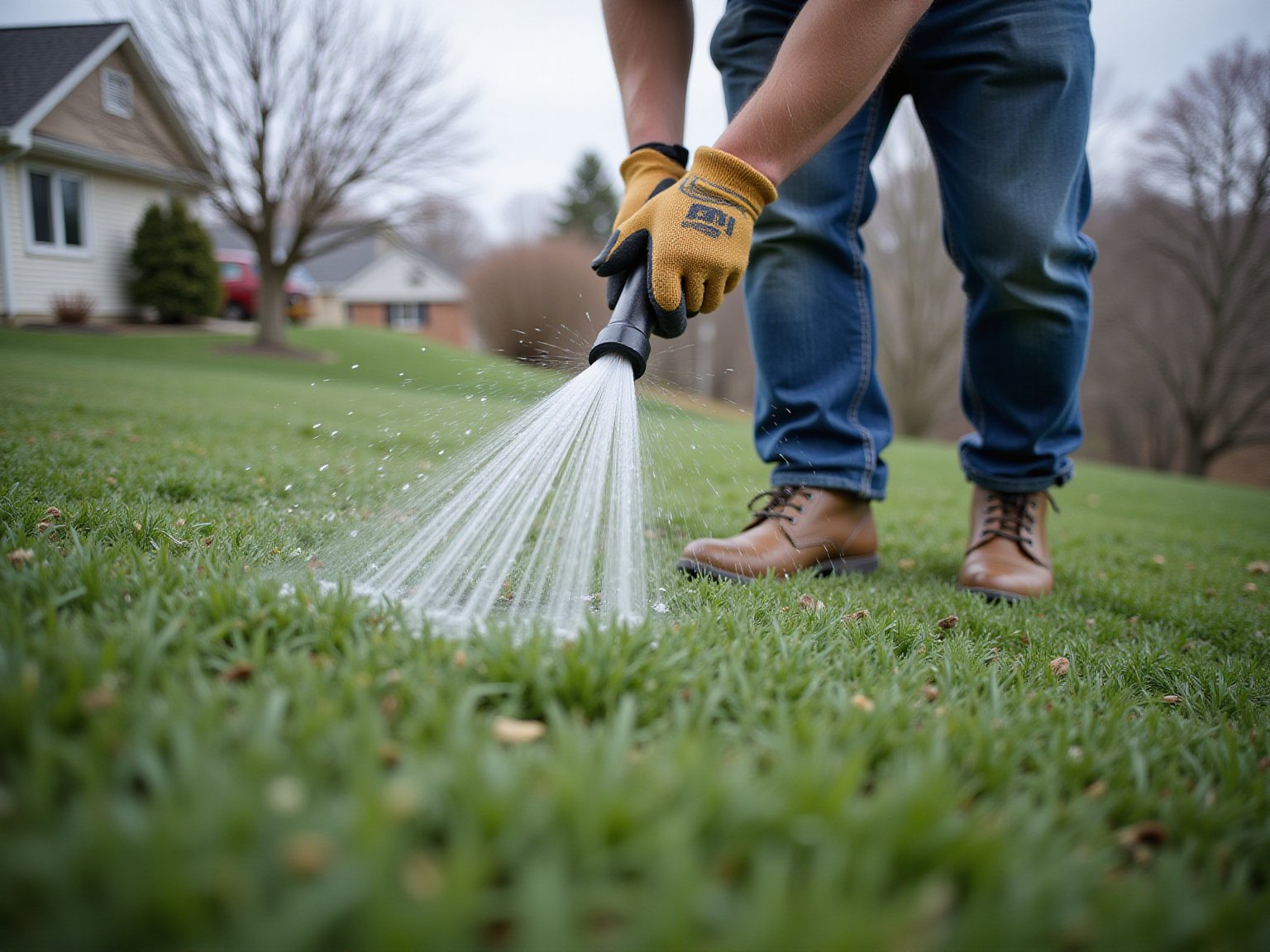
The best time to water your lawn is early morning, between 6 AM and 10 AM, when temperatures are cooler and winds are calmer. This timing allows grass to absorb water efficiently before the heat of the day and reduces water loss from evaporation. Evening watering should be avoided as it can promote fungal diseases by leaving grass wet overnight.
Key Takeaways
- Water your lawn between 6 AM and 10 AM for optimal absorption and disease prevention
- Avoid watering during midday heat (10 AM - 6 PM) to minimize evaporation losses
- Evening watering increases fungal disease risk by keeping grass wet overnight
- Deep, infrequent watering promotes stronger root systems than frequent shallow watering
- Adjust watering schedules seasonally based on temperature and grass growth patterns
Proper watering timing can make the difference between a thriving lawn and a struggling one. While it might seem simple to turn on the sprinklers whenever convenient, the timing of your watering sessions significantly impacts your grass's health, water efficiency, and your wallet.
Why Timing Matters for Lawn Watering
Watering at the right time maximizes water absorption while minimizing waste and disease risk. During peak sunlight hours, up to 30% of water can be lost to evaporation before reaching grass roots[1]. Additionally, wet grass blades during cooler evening and nighttime hours create ideal conditions for fungal diseases like brown patch and dollar spot[2].
Temperature and wind conditions also play crucial roles. Cooler morning temperatures reduce evaporation rates, while typically calmer morning winds prevent water from being blown away from target areas[3].
How to Time Your Watering Schedule
Start your sprinkler system between 6 AM and 8 AM for best results. This gives your lawn 2-4 hours to absorb water before temperatures rise significantly. Most automatic irrigation systems can be programmed to start watering at 5 AM or 6 AM, completing the cycle by 9 AM[4].
For manual watering with sprinklers or hose attachments, aim to finish before 10 AM. If you're an early riser, watering between 4 AM and 6 AM works well, especially during hot summer months when every hour of cooler temperature helps.
Water deeply but less frequently - typically 2-3 times per week rather than daily light watering. Our complete lawn watering schedule breaks down exactly how much and how often to water by grass type. Apply about 1 to 1.5 inches of water per week, including rainfall, measuring with rain gauges or empty tuna cans placed around your lawn[1].
Seasonal Watering Adjustments
Spring Watering
As grass emerges from dormancy, morning watering helps establish strong growth. Follow our spring lawn watering schedule for a detailed weekly plan. Cool-season grasses like fescue and bluegrass are actively growing and benefit from consistent moisture[5]. Start with 2-3 watering sessions per week.
Summer Watering
Early morning watering becomes even more critical during hot months. Our guide on the best time to water your lawn in summer covers hot-weather watering strategies in detail. Consider starting as early as 5 AM to beat rising temperatures. Warm-season grasses like Bermuda and Zoysia are in peak growing season and may need more frequent watering[2].
Fall Watering
Continue morning watering but reduce frequency as temperatures cool and grass growth slows. This helps grassroots store energy for winter dormancy[5].
Winter Watering
In most climates, natural precipitation provides adequate moisture. In dry winter areas, occasional deep watering during warm spells helps prevent desiccation[3].
What to Avoid When Watering
Never water between 10 AM and 6 PM when sun intensity peaks. This wastes water through evaporation and can actually stress grass by creating a "magnifying glass" effect with water droplets[4]. Avoid evening watering after 6 PM, as grass staying wet for 12+ hours overnight significantly increases disease susceptibility.
Don't water during windy conditions regardless of time, as uneven distribution creates dry spots and overwatered areas. Wait for calmer conditions or adjust sprinkler patterns to compensate for wind drift.
Conclusion
Successful lawn watering starts with proper timing. Set your irrigation system for early morning operation between 6 AM and 10 AM, water deeply but less frequently, and adjust seasonally based on your grass type and local climate. Start implementing these timing strategies this week - your lawn will reward you with healthier, more resilient turf that uses water efficiently and resists common diseases.
Sources
- University of California Cooperative Extension - Water efficient landscaping and irrigation timing research
2. Texas A&M AgriLife Extension - Turfgrass disease prevention and watering best practices
3. Colorado State University Extension - Lawn watering guidelines and water conservation strategies
4. Rain Bird Corporation - Professional irrigation system timing and efficiency studies
5. University of Georgia Extension - Seasonal turfgrass management and watering schedules