Quick Answer
Pennsylvania's humid continental climate creates ideal conditions for brown patch disease, white grub infestations, and persistent crabgrass problems in cool-season lawns. The state's moderate to high humidity, combined with warm summers and cold winters, particularly challenges Kentucky bluegrass and tall fescue lawns across USDA zones 5b-7a[1].
Key Takeaways
- Brown patch disease thrives in Pennsylvania's humid summers, requiring improved air circulation and reduced nitrogen fertilization
- White grubs peak in late summer, causing significant damage to Kentucky bluegrass and perennial ryegrass lawns
- Crabgrass prevention requires pre-emergent application in late March to early April before soil temperatures reach 55°F
- Summer patch disease specifically targets Kentucky bluegrass during hot, humid periods
- Proper timing of treatments aligns with Pennsylvania's April-November growing season
Pennsylvania homeowners face unique lawn challenges due to the state's diverse climate zones and humid conditions. From the cooler mountainous regions to warmer southeastern areas, understanding these region-specific problems helps maintain healthy cool-season grass lawns throughout the growing season.
What Diseases Most Commonly Affect Pennsylvania Lawns?
Brown patch stands as Pennsylvania's most destructive lawn disease, particularly devastating Kentucky bluegrass and tall fescue during humid summer months[2]. This fungal disease creates circular brown patches ranging from 6 inches to several feet in diameter, with characteristic "smoke rings" visible in early morning dew.
Summer patch specifically targets Kentucky bluegrass lawns during hot, humid periods typical of Pennsylvania summers. Unlike brown patch, summer patch develops slowly, creating irregularly-shaped dead areas that expand throughout the season[1]. The disease thrives when soil temperatures exceed 65°F combined with high humidity.
Dollar spot appears as small, silver-dollar-sized brown spots across fine fescue and perennial ryegrass lawns. Pennsylvania's moderate humidity levels create perfect conditions for this disease, especially during cool, wet spring mornings[3].
Snow mold becomes problematic in Pennsylvania's mountainous regions where snow cover persists through winter. Both gray and pink snow mold attack weakened grass emerging from dormancy in March and April[1].
Prevention strategies include:
- Improve air circulation through selective pruning
- Water early morning to reduce leaf wetness
- Reduce nitrogen fertilization during summer months
- Maintain proper mowing height for each grass type
Which Pests Cause the Most Damage to Pennsylvania Lawns?
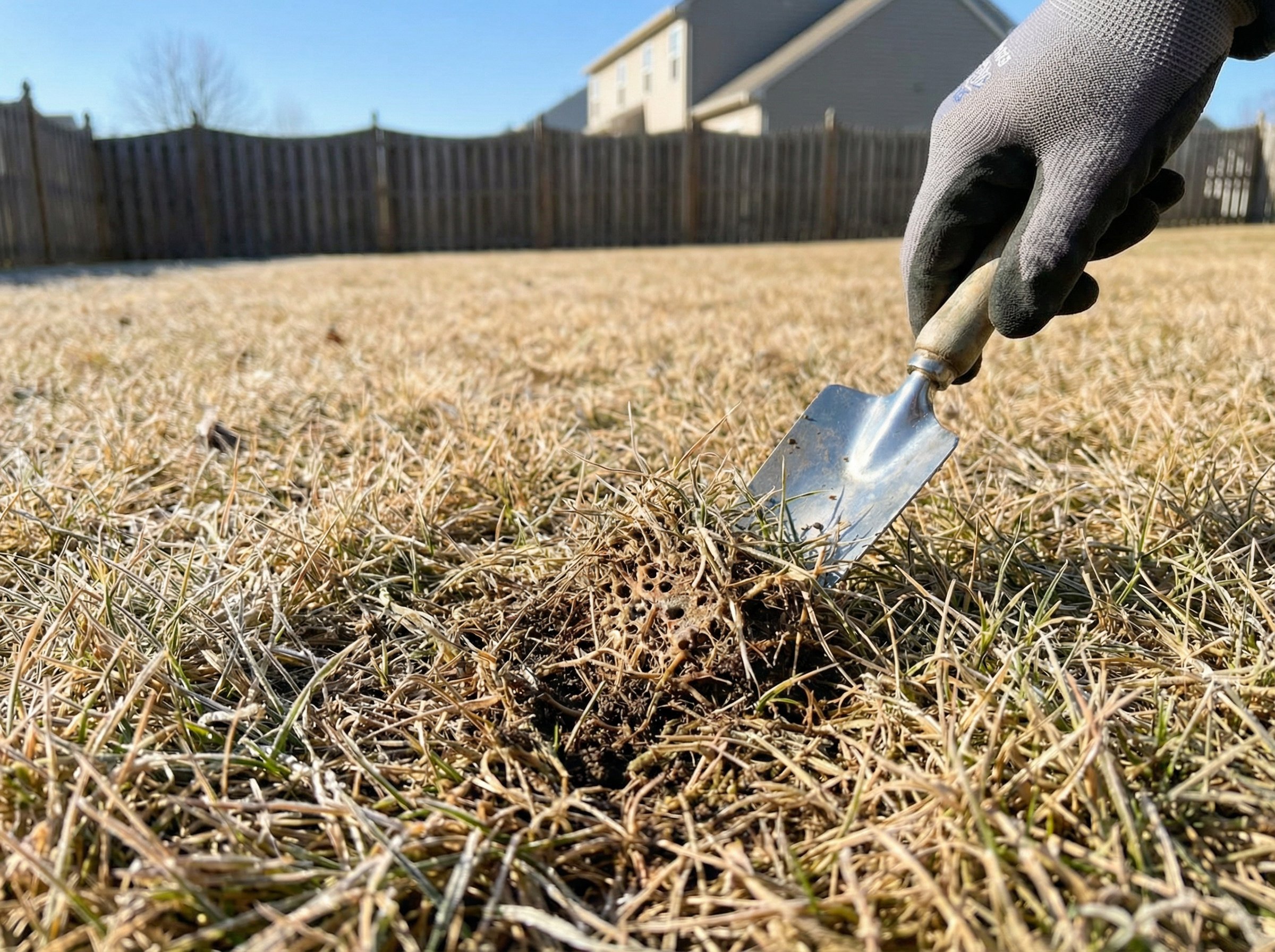
White grubs represent Pennsylvania's most destructive lawn pest, with peak damage occurring from late July through September[4]. These C-shaped larvae of Japanese beetles, June bugs, and masked chafers feed on grass roots, creating brown, spongy patches that peel back like carpet.
Sod webworms become particularly problematic during Pennsylvania's warm, humid summers. Adult moths lay eggs in July and August, with larvae creating small brown spots that expand rapidly across Kentucky bluegrass and perennial ryegrass lawns[1].
Billbugs target tall fescue lawns, with adult weevils creating small holes in grass blades during spring feeding. The larvae tunnel into crowns and stems, causing significant damage during Pennsylvania's peak growing season from May through July[2].
Chinch bugs concentrate damage in sunny, dry areas of lawns, particularly affecting perennial ryegrass. These tiny insects inject toxins while feeding, creating yellowish patches that quickly turn brown during hot weather[5].
Effective pest management includes:
- Apply preventive grub control in late June to early July
- Monitor for early signs using the "soapy water test"
- Maintain proper soil moisture to stress pests
- Consider beneficial nematodes for organic control
What Weeds Are Most Problematic in Pennsylvania?
Crabgrass dominates Pennsylvania's weed problems, germinating when soil temperatures reach 55°F in late April to early May. This annual grass thrives in thin, stressed lawns and can quickly overtake weakened cool-season grasses[1].
Broadleaf plantain establishes in compacted soils common throughout Pennsylvania, particularly in high-traffic areas. Its wide leaves create dense rosettes that crowd out desirable grasses and resist standard mowing practices[6].
Dandelions emerge early in Pennsylvania springs, often before grass begins active growth. Their deep taproots access nutrients and water below grass root zones, giving them competitive advantages during dry periods[3].
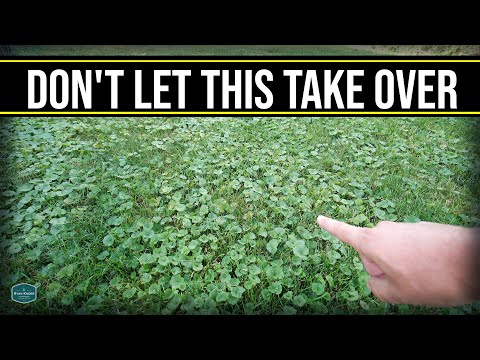
Ground ivy (creeping charlie) thrives in Pennsylvania's shaded, moist areas where fine fescue struggles. This perennial weed spreads rapidly through creeping stems and resists many common herbicides[1].
White clover indicates nitrogen-deficient soils and competes aggressively with Kentucky bluegrass in early spring when grass growth remains slow[2].
Comprehensive weed control strategies:
- Apply pre-emergent herbicide in late March to early April
- Maintain thick, healthy turf through proper fertilization
- Address soil compaction through core aeration in September
- Spot-treat perennial weeds in fall when energy moves to roots
When Should Pennsylvania Homeowners Address These Problems?
Timing treatments according to Pennsylvania's climate zones ensures maximum effectiveness. Pre-emergent crabgrass control requires application before soil temperatures reach 55°F, typically late March in southeastern Pennsylvania and early April in mountainous regions[1].
Grub control works best when applied in late June to mid-July, targeting young larvae before they cause significant root damage. Fall applications prove less effective as mature grubs move deeper into soil[4].
Fungal disease prevention begins with spring fertilization using slow-release nitrogen sources, avoiding quick-release formulations that promote disease susceptibility during humid periods[2].
Core aeration and overseeding perform best during Pennsylvania's prime window of late August through September, allowing new grass to establish before winter dormancy[1].
Conclusion
Addressing Pennsylvania's common lawn problems requires understanding the state's unique climate challenges and timing treatments appropriately. Focus on preventive measures during optimal windows: pre-emergent applications in late March to early April, grub control in late June, and renovation work in late August through September. Regular monitoring combined with proper cultural practices creates the foundation for healthy cool-season grass lawns that resist Pennsylvania's most persistent problems.
Sources
- Penn State Extension - Turfgrass Disease Management and Lawn Care Guidelines
2. Rutgers Cooperative Extension - Cool Season Turfgrass Disease Management
3. University of Maryland Extension - Turfgrass Pest and Disease Identification
4. Michigan State University Extension - White Grub Management in Turfgrass
5. USDA Natural Resources Conservation Service - Integrated Pest Management for Turfgrass
6. Cornell Cooperative Extension - Broadleaf Weed Identification and Control