Quick Answer
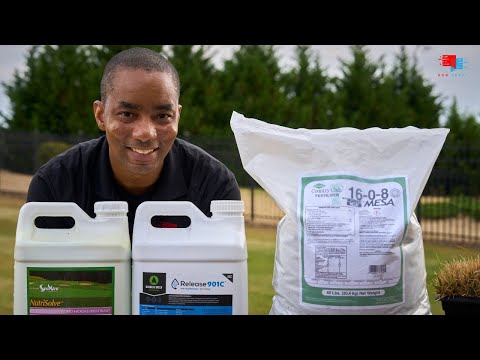
Liquid fertilizer provides faster nutrient uptake and more uniform coverage but requires frequent applications and costs more per treatment. Granular fertilizer offers longer-lasting nutrition, costs less, and requires fewer applications, but takes longer to show results and can create uneven distribution if not applied properly.
Key Takeaways
- Liquid fertilizer shows results in 3-7 days, while granular takes 2-4 weeks to fully activate
- Granular fertilizer typically costs 30-50% less per square foot than liquid alternatives
- Liquid requires reapplication every 2-4 weeks during growing season; granular lasts 6-12 weeks
- Both types can burn grass if over-applied, but liquid fertilizer poses higher immediate burn risk
- Your choice depends on budget, time availability, and desired speed of results
Choosing between liquid and granular fertilizer is one of the most common decisions homeowners face when maintaining their lawn. Both options deliver essential nutrients like nitrogen, phosphorus, and potassium, but they work in fundamentally different ways[1]. Understanding these differences will help you make the right choice for your specific lawn care goals and budget.
How Fast Do Liquid and Granular Fertilizers Work?
Liquid fertilizers deliver nutrients directly to grass blades and roots in a readily available form, producing visible greening within 3-7 days of application[2]. This immediate uptake makes liquid fertilizer ideal for quick lawn recovery or addressing nutrient deficiencies before important events.
Granular fertilizers work more slowly, requiring soil moisture to break down the pellets and release nutrients gradually. You'll typically see initial results in 1-2 weeks, with full effectiveness reached after 2-4 weeks[3]. This slower release provides sustained feeding that can last 6-12 weeks depending on the formulation.
What Are the Cost Differences Between Liquid and Granular?
Liquid vs Granular Fertilizer Cost Comparison
| Factor | Liquid | Granular |
|---|---|---|
| Initial Cost | Higher ($0.15-0.30/sq ft) | Lower ($0.08-0.20/sq ft) |
| Application Frequency | Every 2-4 weeks | Every 6-12 weeks |
| Annual Cost | $150-300 (5,000 sq ft) | $75-200 (5,000 sq ft) |
| Equipment Needed | Sprayer ($50-200) | Spreader ($30-150) |
| Labor Time | Higher (mixing required) | Lower (pour and spread) |
Granular fertilizer provides better long-term value for most homeowners due to its extended feeding period and lower per-application cost[4]. However, liquid fertilizer may be worth the premium if you need rapid results or have specific timing requirements.
Which Type Should You Choose for Different Situations?
For Quick Results: Choose liquid fertilizer when preparing for events, treating yellowing grass, or jump-starting growth in early spring. The fast-acting nutrients provide immediate improvement that's visible within a week[5].
For Long-Term Maintenance: Granular fertilizer works better for routine seasonal feeding programs. Apply slow-release granular fertilizer in early spring and mid-summer for sustained nutrition throughout the growing season[1]. See our guide on how often to fertilize your lawn for a complete schedule.
For Large Lawns: Granular fertilizer is more practical and economical for areas over 3,000 square feet. The lower cost per application and reduced frequency make it the preferred choice for extensive coverage[6].
For Precision Feeding: Liquid fertilizer offers superior control for spot-treating problem areas or applying specific nutrient ratios. Mix different formulations to address soil test recommendations or seasonal needs.
What Application Challenges Should You Expect?
Liquid fertilizer requires more careful timing and technique. Apply during cooler morning or evening hours to prevent leaf burn, and never spray during hot, sunny conditions[2]. Rain within 2-4 hours can wash away liquid applications, requiring reapplication.
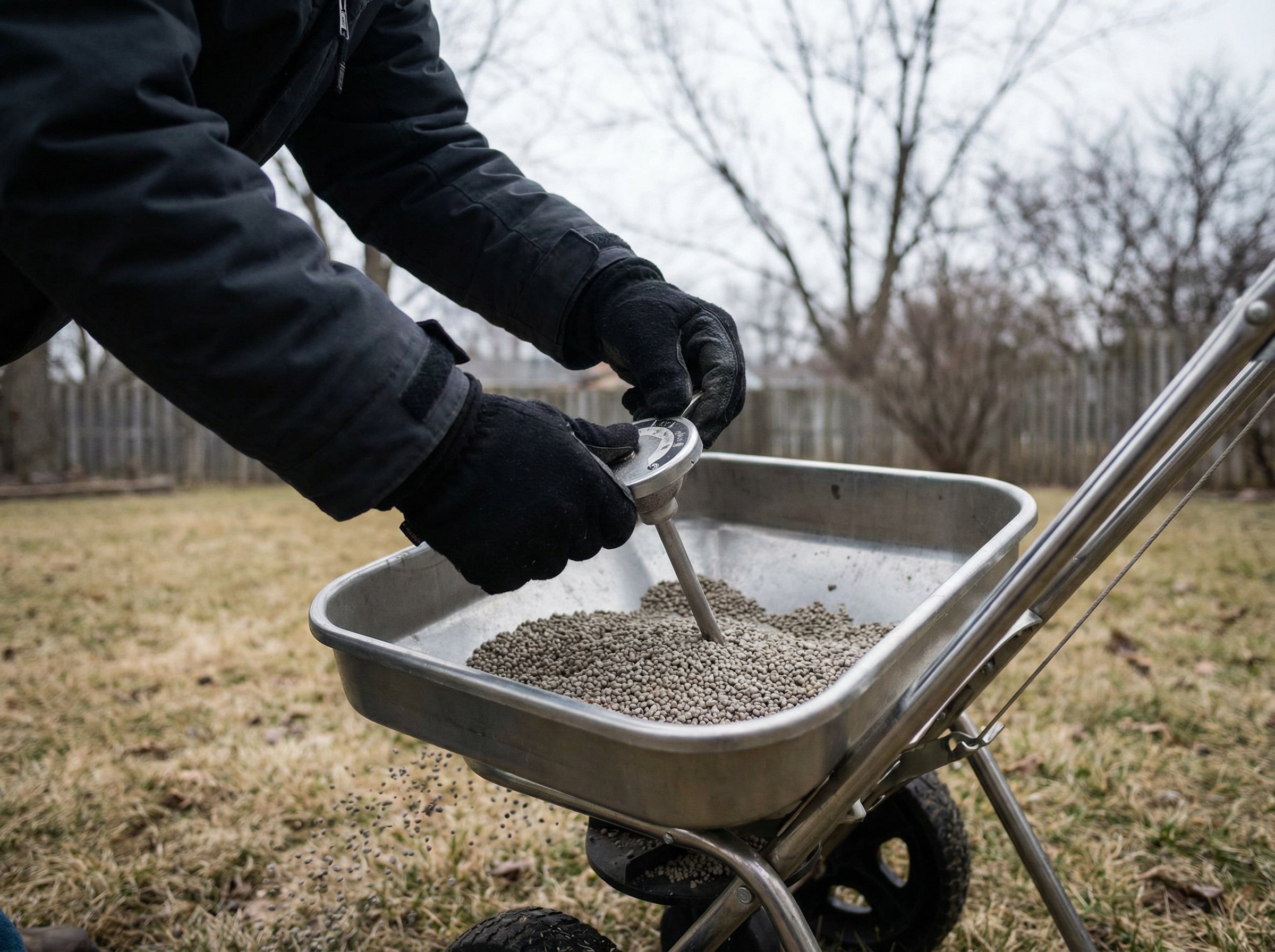
Granular fertilizer is more forgiving but still requires proper technique. Use a calibrated spreader to ensure even distribution and prevent streaking. Water the lawn within 24-48 hours after application to activate the nutrients and prevent potential burning[3].
Both types can cause fertilizer burn if over-applied. Start with manufacturer recommendations and adjust based on your lawn's response and soil test results.
Making Your Final Decision
Choose liquid fertilizer if you prioritize quick results, have a smaller lawn, or need precise nutrient control. The higher cost and frequent applications are justified when speed and flexibility matter most.
Select granular fertilizer for cost-effective, long-term lawn maintenance with less frequent applications. This option works best for larger lawns and homeowners who prefer a "set it and forget it" approach to fertilization.
Consider using both types strategically: granular fertilizer for your regular feeding program and liquid fertilizer for quick fixes or seasonal boosts. Check our picks for the best fall fertilizer for lawns and best spring fertilizer for lawns for product recommendations. Start with a soil test to determine your lawn's specific nutrient needs, then choose the application method that fits your schedule and budget.
Sources
- University of Georgia Extension - Turfgrass fertilization and nutrient management guidelines
2. Michigan State University Extension - Liquid fertilizer application timing and techniques
3. Texas A&M AgriLife Extension - Granular fertilizer activation and burn prevention
4. Scotts Miracle-Gro - Professional lawn care cost analysis and application rates
5. University of California Agriculture - Nutrient uptake rates in turfgrass systems
6. Consumer Reports - Independent lawn fertilizer testing and cost comparisons