
Quick Answer
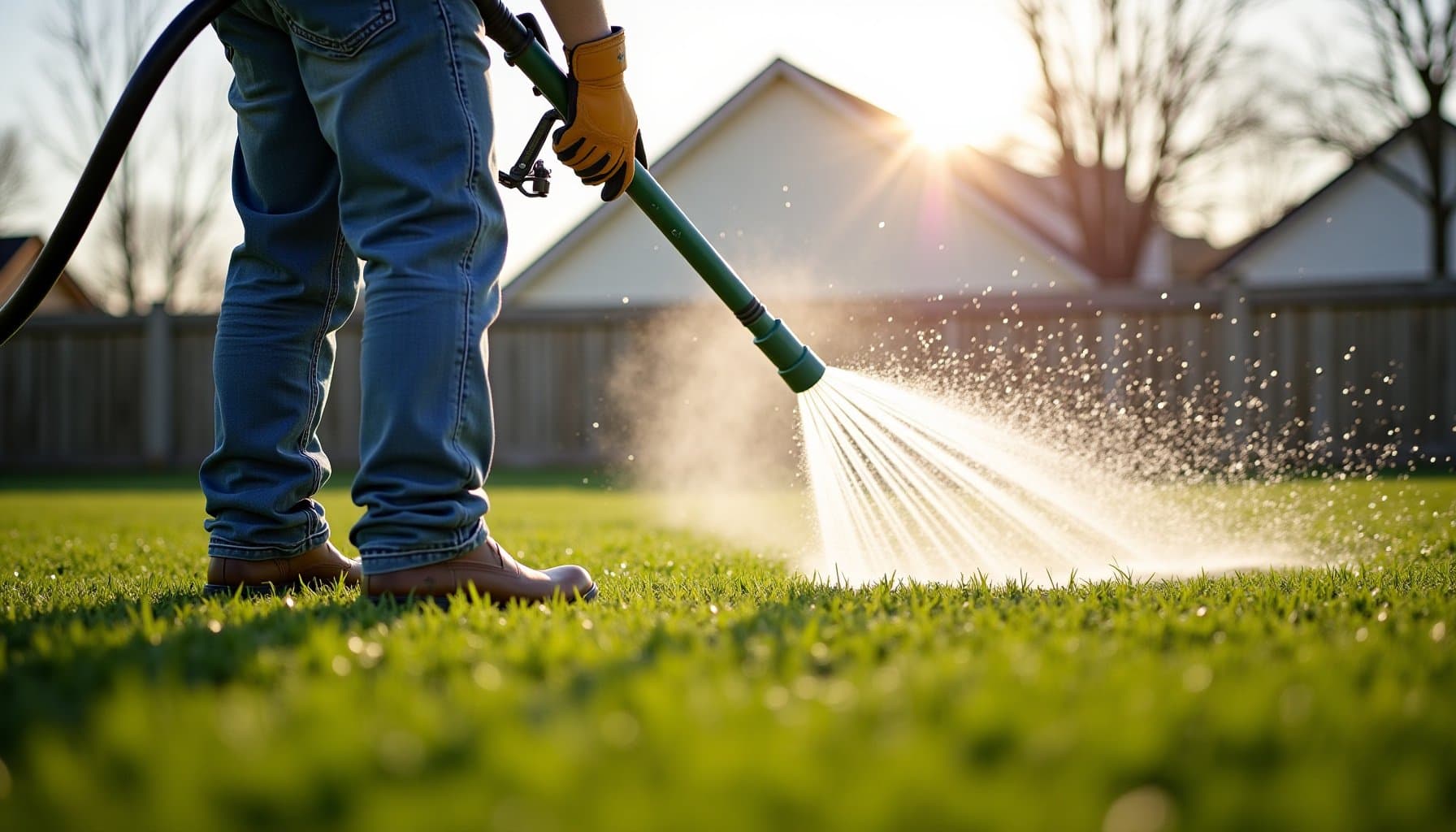
Most lawns need 1-1.5 inches of water per week, including rainfall, applied 2-3 times weekly in deep sessions rather than daily light watering. The best time to water is early morning (4-10 AM) when evaporation is minimal and grass can dry before evening.
Key Takeaways
- Water deeply 2-3 times per week rather than daily shallow watering
- Apply 1-1.5 inches of water weekly, including natural rainfall
- Early morning (4-10 AM) is the optimal watering time
- Adjust frequency based on grass type, season, and soil conditions
- Use the "footprint test" to determine when your lawn needs water
Introduction
Creating an effective lawn watering schedule is essential for maintaining a healthy, vibrant lawn while conserving water and preventing common problems like fungal diseases and shallow root growth. The right watering routine depends on your grass type, climate, soil conditions, and seasonal changes.
Understanding Your Lawn's Water Needs
Grass Type Considerations
Cool-season grasses like fescue, bluegrass, and ryegrass typically need more frequent watering during hot summer months[1]. These grasses grow most actively in spring and fall when temperatures are moderate.
Warm-season grasses such as Bermuda, Zoysia, and St. Augustine are more drought-tolerant and require less frequent watering during their peak growing season in summer[1]. However, they may need supplemental watering during cool periods when they're less active.
Soil and Environmental Factors
Sandy soils drain quickly and may require more frequent watering sessions, while clay soils retain moisture longer but need slower, deeper watering to prevent runoff[2]. Consider your local rainfall patterns, humidity levels, and sun exposure when planning your schedule.
Creating Your Weekly Watering Schedule
The 1-Inch Rule
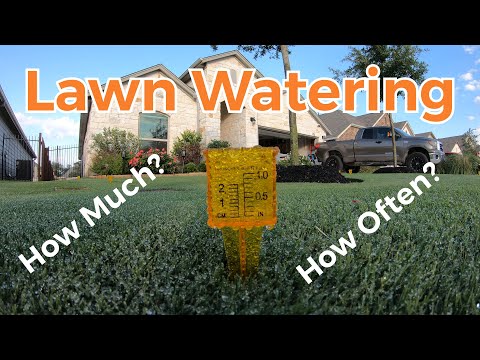
Most established lawns require approximately 1 to 1.5 inches of water per week, including rainfall[3]. Measure your sprinkler output by placing several containers around your lawn during watering and measuring the collected water.
Frequency vs. Duration
Water 2-3 times per week for longer periods rather than daily light watering[2]. This approach encourages deep root growth and improves drought tolerance. Each watering session should provide about 0.5 inches of water, penetrating 4-6 inches into the soil.
Sample Weekly Schedules
Cool-Season Grass Schedule:
- Monday: 0.5 inches (30-45 minutes)
- Thursday: 0.5 inches (30-45 minutes)
- Sunday: 0.25 inches if needed (15-20 minutes)
Warm-Season Grass Schedule:
- Tuesday: 0.5 inches (30-40 minutes)
- Saturday: 0.5 inches (30-40 minutes)
Optimal Timing for Lawn Watering
Early Morning is Best
Water between 4 AM and 10 AM for maximum efficiency[4]. Our guide on the best time to water your lawn explains why morning sessions are so effective. During these hours, wind is typically calm, temperatures are cooler, and evaporation rates are lowest. This timing also allows grass blades to dry before evening, reducing disease risk.
Avoid Evening Watering
Watering in the evening leaves grass wet overnight, creating ideal conditions for fungal diseases[4]. If morning watering isn't possible, late afternoon (3-5 PM) is the second-best option.
Using Automatic Timers
Programmable sprinkler timers help maintain consistent watering schedules. Set multiple short cycles with 30-minute breaks on clay soils to prevent runoff and improve water penetration.
Seasonal Watering Adjustments
Spring Schedule
As grass emerges from dormancy, gradually increase watering frequency. Our spring lawn watering schedule provides a week-by-week plan. Cool-season grasses need regular moisture for active growth, while warm-season varieties require less until temperatures rise consistently[5].
Summer Modifications
Increase watering duration during peak summer heat, but avoid increasing frequency unless grass shows stress signs. See our dedicated guide on the best time to water your lawn in summer for hot-weather strategies. The "footprint test" helps determine need: if footprints remain visible on the lawn after walking across it, it's time to water[3].
Fall and Winter Considerations
Reduce watering frequency as temperatures drop and grass growth slows. Cool-season grasses may need continued watering through fall, while warm-season grasses require minimal water as they enter dormancy[5].
Signs Your Schedule Needs Adjustment
Watch for stress indicators like wilting, color changes from green to blue-gray, or slow recovery after foot traffic[2]. Overwatering signs include frequent fungal problems, excessive thatch buildup, and shallow root systems.
Use a soil probe or screwdriver to check moisture depth. Water should penetrate 4-6 inches into the soil after each watering session.
Conclusion
Establishing the right lawn watering schedule requires balancing your grass type's needs with local conditions and seasonal changes. Start with the basic guideline of 1-1.5 inches weekly applied in 2-3 deep sessions during early morning hours. Monitor your lawn's response and adjust timing, frequency, or duration based on weather patterns, soil conditions, and grass health. Remember to account for rainfall in your weekly totals and use moisture-measuring tools to fine-tune your approach for optimal results.
Sources
- University of Georgia Extension - Turfgrass watering guidelines and grass type recommendations
2. Texas A&M AgriLife Extension - Lawn watering best practices and soil considerations
3. University of California Agriculture and Natural Resources - Water management for home lawns
4. Scotts Miracle-Gro Research - Optimal watering timing and disease prevention studies
5. Colorado State University Extension - Seasonal lawn care and watering schedules