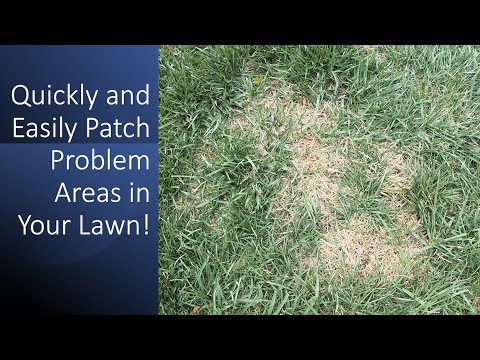
Quick Answer
Fixing dead patches in grass requires identifying the cause, removing dead material, preparing the soil, and either reseeding or laying new sod. The process typically takes 2-4 weeks for new grass to establish, with proper watering and care being crucial for success.
Key Takeaways
- Remove all dead grass and debris before starting repairs
- Test and amend soil pH to 6.0-7.0 for optimal grass growth
- Choose grass seed that matches your existing lawn type
- Water repaired areas 2-3 times daily for the first 2 weeks
- Avoid foot traffic on new grass for 3-4 weeks
Introduction
Dead patches in your lawn can be frustrating eyesores, but they're completely fixable with the right approach. Understanding what causes dead spots in grass is the first step toward a permanent fix. Whether caused by pet urine, disease, drought, or heavy foot traffic, these bare spots need proper diagnosis and treatment to prevent them from returning[1]. This guide walks you through the complete repair process to restore your lawn's health and appearance.
What Causes Dead Patches in Grass?
Understanding the root cause helps prevent future problems. Common culprits include pet urine burns, which create circular brown spots with green rings around the edges[2]. Fungal diseases like brown patch or dollar spot often appear as irregular dead areas, especially in humid conditions.
Other causes include compacted soil preventing water and air circulation, drought stress from inadequate watering, chemical burns from over-fertilization, and heavy foot traffic wearing down grass in high-use areas[3]. Identifying the specific cause helps you choose the right repair method and prevention strategy.
How Do You Repair Dead Grass Patches Step-by-Step?
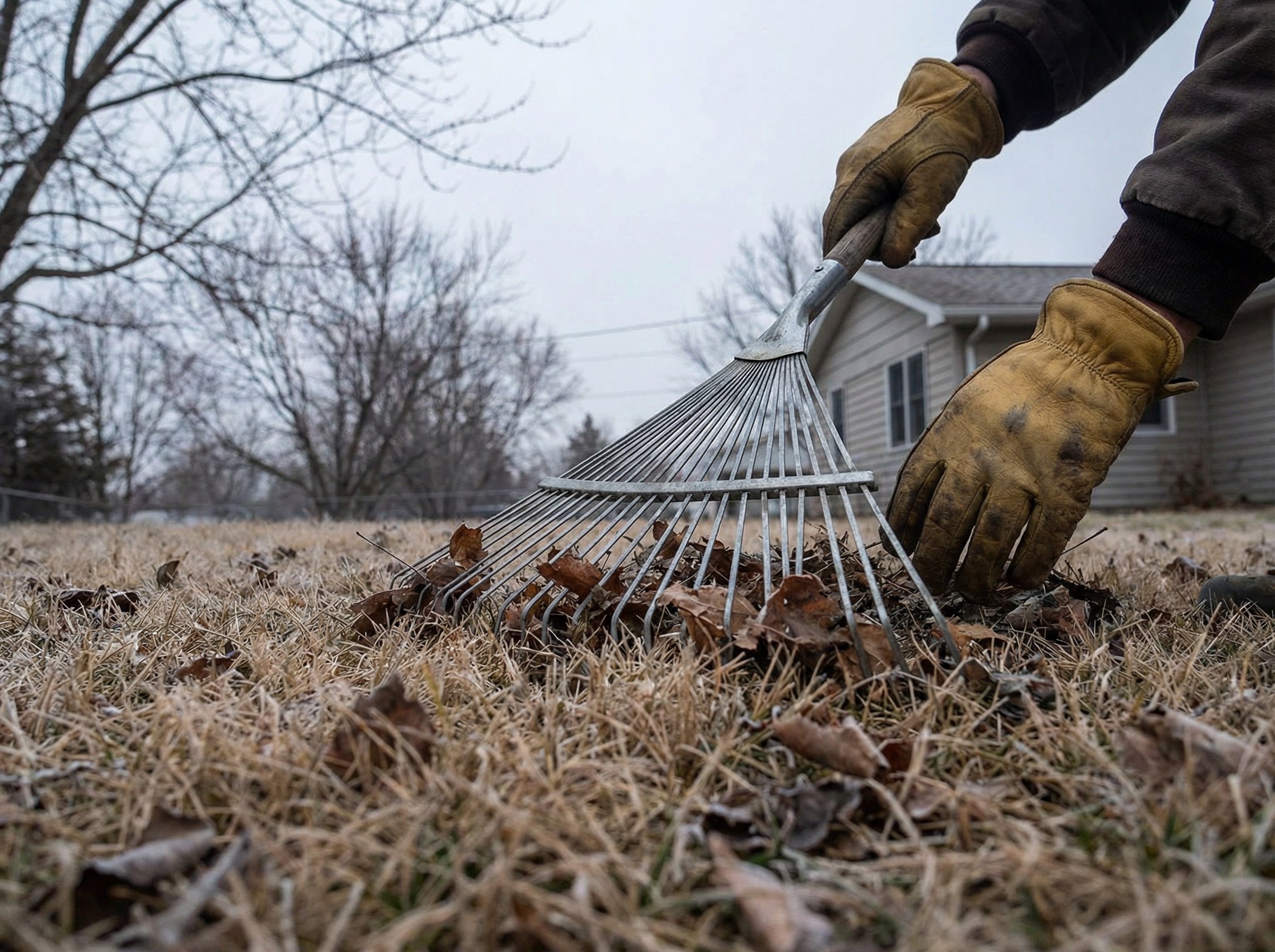
Start by removing all dead grass using a rake or dethatching tool, scraping down to bare soil. For pet urine spots, flush the area with water to dilute remaining salts that prevent new growth[4].
Next, loosen compacted soil with a garden fork or small rototiller, working 2-3 inches deep. Test soil pH using a simple test kit - most grasses prefer 6.0-7.0 pH levels. Add lime to raise pH or sulfur to lower it if needed.
Spread a thin layer of quality topsoil or compost over the prepared area. For patches larger than 2 feet, consider laying sod for faster results. For smaller areas, our guide on how to fix bare spots in your lawn covers the seeding process. Choose grass seed matching your existing lawn type[5].
Sow seeds at the rate specified on the package, typically 2-3 pounds per 1,000 square feet for most cool-season grasses. Rake lightly to ensure good soil contact, then apply a thin layer of straw mulch to retain moisture.
When Is the Best Time to Fix Dead Patches?
Timing significantly impacts repair success. For cool-season grasses like fescue and bluegrass, early fall (September-October) provides ideal conditions with warm soil and cooler air temperatures[1]. Spring is the second-best option, but avoid summer heat stress.
Warm-season grasses like Bermuda and Zoysia should be repaired in late spring through early summer when they're actively growing[6]. Avoid repairs during dormancy periods when growth is minimal.
Check weather forecasts before starting - you'll need consistent moisture for 2-3 weeks after seeding. Plan repairs before expected rain, but ensure soil isn't waterlogged when you begin work.
How Do You Care for Newly Repaired Areas?
Proper aftercare determines repair success. Water repaired patches 2-3 times daily with light, frequent applications to keep soil consistently moist but not waterlogged[4]. Use a gentle spray setting to avoid washing away seeds.
Avoid foot traffic completely for 3-4 weeks while new grass establishes. Mark repaired areas with flags or temporary barriers if necessary. Most grass types germinate within 7-14 days under proper conditions[5].
Once new grass reaches 3-4 inches tall, gradually reduce watering frequency while increasing duration per session. Apply starter fertilizer 4-6 weeks after seeding to promote healthy growth, but avoid regular lawn fertilizer which can burn tender new grass.
Conclusion
Fixing dead patches requires patience and proper technique, but results in a healthier, more attractive lawn. Consider overseeding your entire lawn alongside spot repairs for the most uniform results. Start by identifying and addressing the underlying cause, then follow the step-by-step repair process during optimal growing seasons. Remember that consistent watering and avoiding foot traffic are crucial for success. With proper care, your repaired patches should blend seamlessly with existing grass within 6-8 weeks.
Sources
- Penn State Extension - Turfgrass establishment and renovation guidelines
2. University of Minnesota Extension - Lawn problems and solutions research
3. Scotts Miracle-Gro - Lawn care and grass repair product research
4. University of California Cooperative Extension - Turfgrass management best practices
5. Seed Research of Oregon - Professional grass seed establishment studies
6. University of Georgia Extension - Warm-season turfgrass management guidelines