Quick Answer
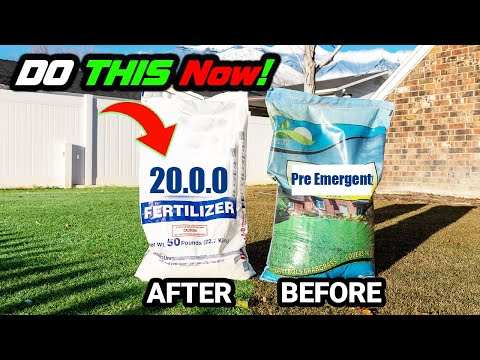
The best spring fertilizer for lawns is a balanced or nitrogen-rich formula with an NPK ratio like 20-5-10 or 16-4-8, applied in early to mid-spring when soil temperatures reach 55-60°F. Choose slow-release granular fertilizers for steady feeding, and always follow package directions for your specific grass type.
Key Takeaways
- Apply spring fertilizer when soil temperatures consistently reach 55-60°F
- Look for NPK ratios between 3:1:2 and 4:1:2 (nitrogen:phosphorus:potassium)
- Slow-release granular fertilizers provide 6-8 weeks of steady nutrition
- Cool-season grasses need fertilization in early spring, warm-season grasses in late spring
- Always water fertilizer in within 24 hours to prevent burning
Spring fertilization sets the foundation for a healthy, vibrant lawn throughout the growing season. For step-by-step application advice, see our spring lawn fertilization tips. After months of dormancy, your grass needs the right nutrients to green up, develop strong roots, and prepare for summer stress. Choosing the correct fertilizer type and applying it at the optimal time makes the difference between a mediocre lawn and one that's the envy of the neighborhood.
What Makes a Good Spring Fertilizer?
Spring fertilizers should prioritize nitrogen for rapid green-up and growth, with supporting amounts of phosphorus and potassium[1]. The ideal NPK ratio ranges from 3:1:2 to 4:1:2, such as 21-7-14 or 16-4-8 formulations.
Nitrogen promotes leaf growth and the deep green color homeowners desire after winter dormancy. However, too much nitrogen can stimulate excessive top growth at the expense of root development[2]. Phosphorus supports root growth and overall plant health, while potassium improves stress tolerance and disease resistance.
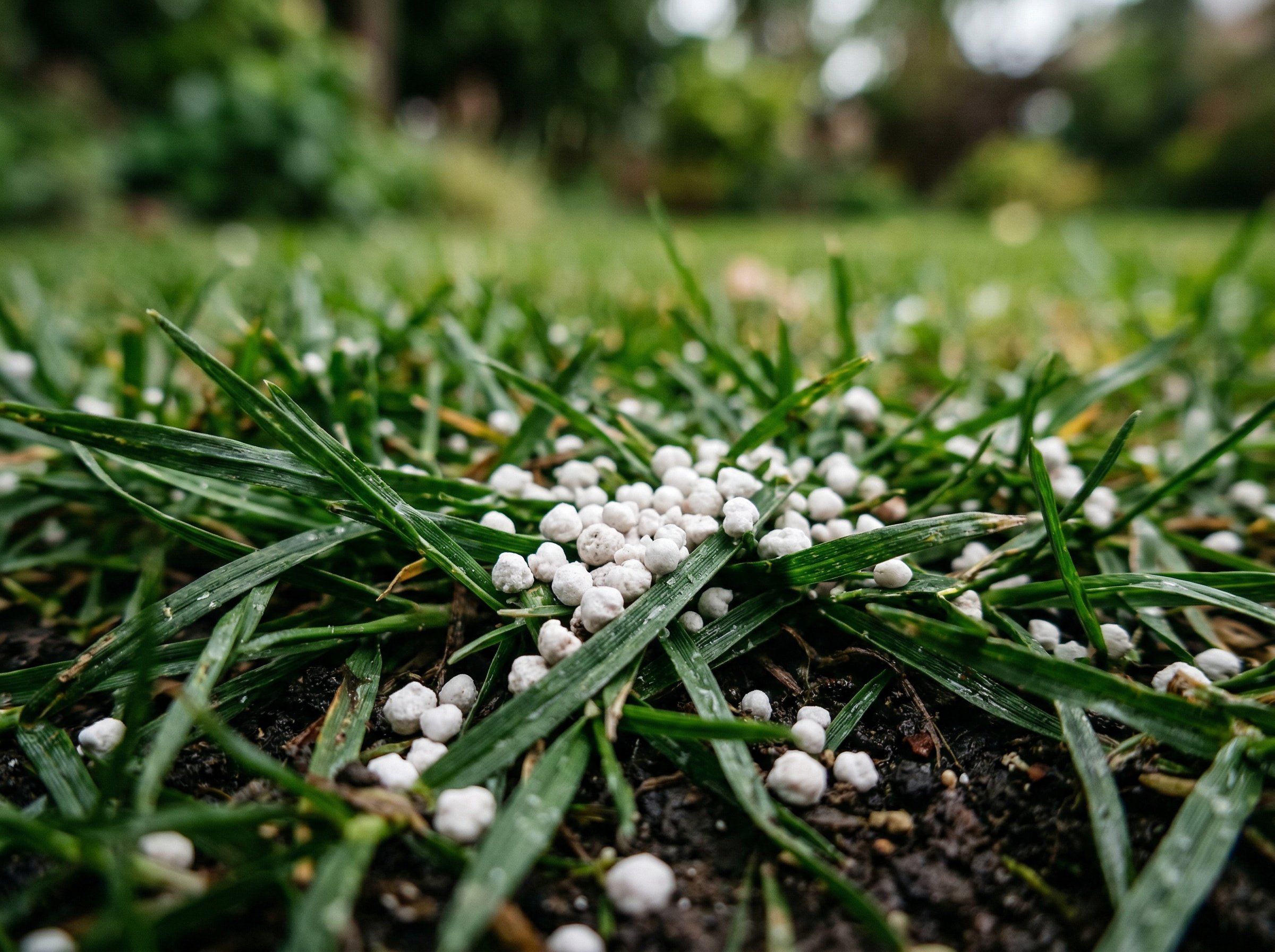
Slow-release formulations are superior to quick-release options for spring application. They provide steady nutrition over 6-8 weeks, reducing the risk of burning and minimizing the need for frequent applications[3]. Look for fertilizers containing sulfur-coated urea, polymer-coated granules, or organic nitrogen sources.
When Should You Apply Spring Fertilizer?
Timing is crucial for effective spring fertilization. The key indicator is soil temperature, not air temperature or calendar dates[4]. For cool-season grasses like fescue, bluegrass, and ryegrass, apply fertilizer when soil temperatures consistently reach 55-60°F, typically in early to mid-spring.
Warm-season grasses including Bermuda, Zoysia, and St. Augustine should be fertilized later in spring when soil temperatures reach 65-70°F[1]. Applying too early wastes fertilizer and can stimulate growth before the grass is ready to utilize nutrients effectively.
Use a soil thermometer to check temperatures at 4-inch depth for three consecutive days. Most areas see appropriate temperatures 2-3 weeks before the average last frost date. Avoid fertilizing frozen or waterlogged soil, which prevents proper nutrient uptake[2].
How Do You Choose the Right Fertilizer Type?
Granular fertilizers are the most practical choice for spring lawn care due to their ease of application and controlled release properties[5]. They're less likely to burn grass compared to liquid fertilizers and provide longer-lasting results.
Organic options like composted manure, bone meal, or organic blends release nutrients slowly as soil microbes break them down. While gentler on grass, they work more slowly and may not provide the quick green-up many homeowners desire[3].
Synthetic fertilizers offer precise nutrient ratios and faster results. Many combine both quick-release and slow-release components for immediate greening plus extended feeding. Starter fertilizers work well for overseeded areas or new grass, containing higher phosphorus levels to support establishment[4]. If you also need weed control, a combination product on a spring weed and feed schedule can save an extra trip across the lawn.
Consider your lawn's specific needs when selecting fertilizer. Heavily used areas benefit from higher potassium content for traffic tolerance. Shaded lawns may need specialized low-nitrogen formulations to prevent soft, disease-prone growth.
What's the Proper Application Method?
Proper application ensures even coverage and prevents fertilizer burn or missed spots. Use a broadcast spreader for uniform distribution across large areas, or a drop spreader for precise control around flower beds and walkways[5].
Calibrate your spreader according to the fertilizer manufacturer's recommendations. Apply half the recommended amount in one direction, then apply the remaining half in a perpendicular pattern for even coverage[1].
Water the lawn within 24 hours of application to activate the fertilizer and prevent burning. Apply ¼ to ½ inch of water to move nutrients into the soil zone where roots can access them[2]. Avoid fertilizing before heavy rains that could wash nutrients away before grass can utilize them.
Mow your lawn before fertilizing to ensure granules reach the soil surface. Keep pets and children off treated areas until after the first watering to prevent tracking fertilizer indoors.
Conclusion
Selecting the best spring fertilizer involves matching the right nutrient ratio to your grass type and applying it at the optimal time for soil and weather conditions. Focus on slow-release granular fertilizers with nitrogen-rich formulations, and always follow proper application techniques for the healthiest results. Start monitoring soil temperatures in late winter so you're ready to fertilize as soon as conditions are right for maximum lawn benefit. And remember, the most important feeding of the year actually comes later — see our guide to the best fall fertilizer for lawns to plan ahead.
Sources
- University of Minnesota Extension - Turfgrass fertilization timing and practices
2. Penn State Extension - Lawn fertilizer selection and soil temperature guidelines
3. Purdue University Extension - Slow-release fertilizer research and recommendations
4. University of Georgia Extension - Warm and cool-season grass fertilization schedules
5. Scotts Professional - Fertilizer application methods and spreader calibration