
Quick Answer
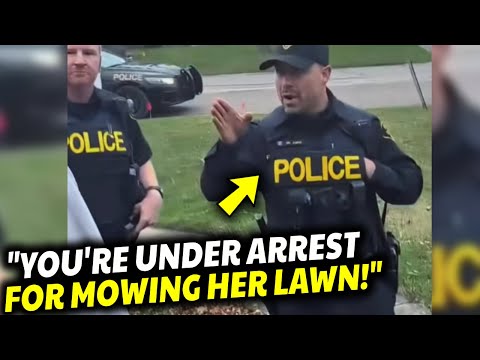
You cannot be legally arrested simply for mowing someone's lawn with their permission. While viral videos claim this happens, these are typically AI-generated content using unrelated footage to create false narratives.
Key Takeaways
- Viral videos about lawn care arrests are often AI-generated misinformation
- Property maintenance laws focus on code violations, not helpful neighbors
- Always get clear permission before performing yard work on others' property
- Real legal issues arise from municipal code violations, not community assistance
- Verify online content carefully as AI-generated stories are increasingly common
The Truth Behind Viral Lawn Care Arrest Videos
Recent viral videos claiming people get arrested for mowing elderly neighbors' lawns have sparked outrage across social media. These emotionally charged stories typically feature dramatic encounters with police officers arresting Good Samaritans who were simply trying to help community members maintain their yards.
However, a closer examination reveals these videos are often AI-generated content that combines unrelated footage with fabricated narratives. The stories use compelling emotional triggers – elderly widows, overgrown lawns, municipal fines, and heavy-handed police responses – to create believable but false scenarios.
How to Identify AI-Generated Lawn Care Content
As AI technology advances, distinguishing real events from fabricated content becomes increasingly challenging. Here are key warning signs to watch for:
Audio inconsistencies often reveal AI-generated voices. Listen for unnatural pronunciation, odd emphasis on words, or robotic cadence that doesn't match human speech patterns. Many fake videos use the same AI voice across different stories with different supposed protagonists.
Mismatched footage is another telltale sign. Legitimate videos should show consistent characters and settings throughout. Fake content often combines unrelated clips – perhaps police footage from a child custody case paired with lawn care imagery – to create a false narrative.
Recycled storylines appear across multiple channels with slight variations. The same basic plot (helpful neighbor, elderly homeowner, police intervention, municipal codes) gets repeated with different details and locations.
Real Legal Considerations for Community Lawn Care
While the viral arrest stories are fabricated, legitimate legal considerations do exist when helping neighbors with yard maintenance:
Property permission is essential. Always obtain clear, explicit consent from property owners before performing any maintenance work. Verbal permission is generally sufficient, but written agreement provides better protection if questions arise later.
Municipal codes typically target property owners, not volunteers helping them. Cities issue violations and fines to homeowners who fail to maintain their yards according to local standards. These codes rarely restrict who can perform the actual maintenance work.
Liability concerns represent the main legal risk. If you're injured while helping a neighbor, or if your work causes property damage, insurance and liability questions may arise. Consider discussing these possibilities beforehand.
Professional licensing requirements vary by location but generally don't apply to occasional volunteer help between neighbors. Commercial landscaping operations need proper licenses and insurance, but community assistance typically falls outside these regulations.
Best Practices for Helping Neighbors with Yard Work
If you want to help community members maintain their properties, follow these guidelines to avoid any potential issues:
Communicate openly with the property owner about what work you plan to do and when. Discuss their preferences for lawn height, which areas to focus on, and any plants or features to avoid.
Start small with your first volunteer project. Mowing and basic trimming are straightforward, while more complex landscaping projects carry higher risks of misunderstandings or accidental damage.
Check local regulations in your area. While arrests for helping neighbors are extremely unlikely, familiarizing yourself with local property maintenance codes helps you understand what standards need to be met.
Document your assistance with photos before and after your work. This creates a record of improvements made and can be helpful if any questions arise about the property's condition.
Consider safety first by using proper equipment and techniques. Lawn mowing and yard work involve sharp tools and potential hazards that require appropriate caution and preparation.
The reality is that community members helping each other with yard maintenance is both legal and beneficial. While sensational videos may grab attention and generate clicks, they don't reflect actual legal risks associated with neighborly assistance. Focus on real communication, proper safety practices, and genuine community support rather than worrying about fabricated scenarios designed to mislead viewers.